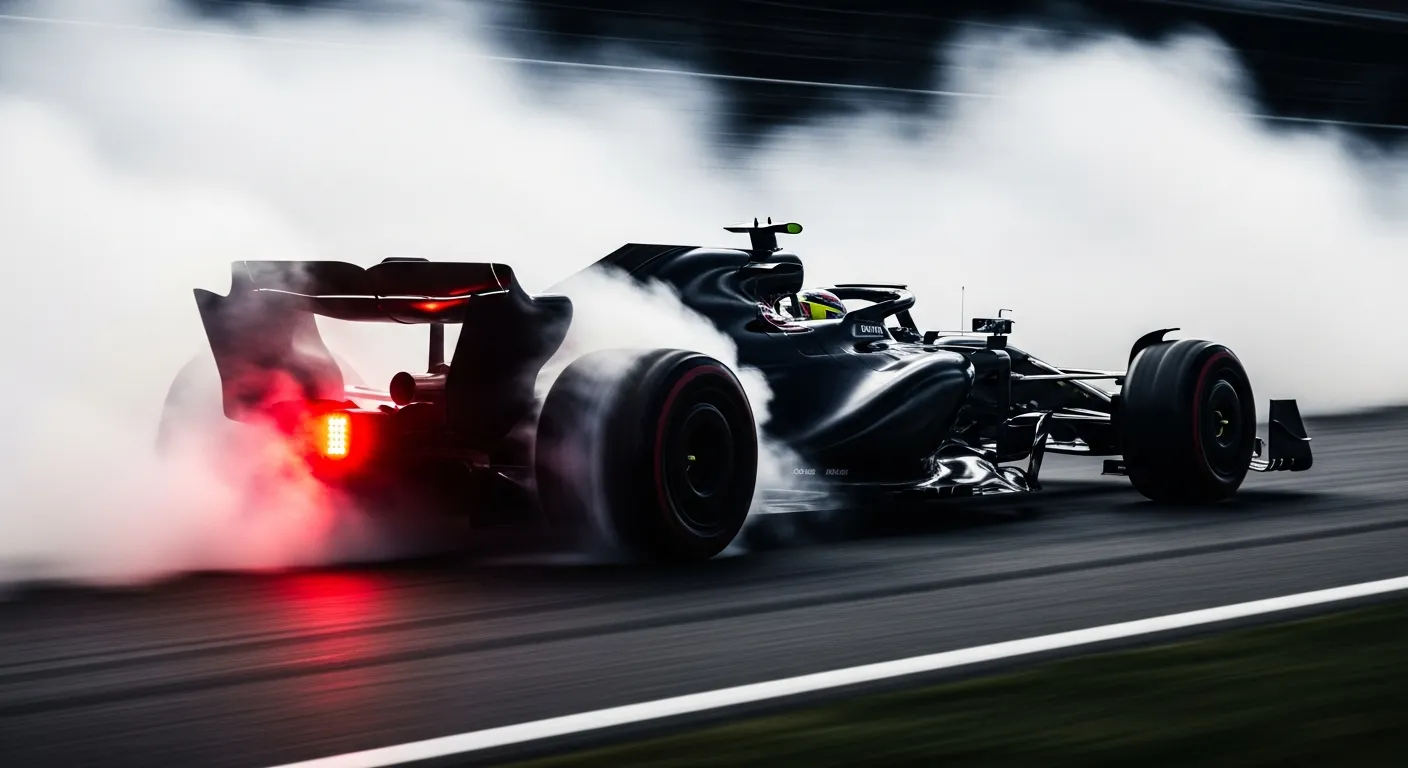
Max Verstappen's drive at the 2022 United States Grand Prix on October 23, 2022, at the Circuit of the Americas was a nuanced display of strategic execution and on-track precision, culminating in a first-place finish from a grid start of second. The Red Bull Racing driver completed all 56 laps with a total race time of 1:42:11.687, adding 25 points to his championship tally. This performance underscored his consistent form throughout a dominant season, a stark contrast to his earlier career outings, such as his debut with Red Bull at the [Max Verstappen at the 2016 Chinese Grand Prix](/results/2016-shanghai-max-verstappen) where he was still finding his rhythm. The race itself presented various challenges, including a Safety Car period that compressed the field, forcing teams to reconsider their tire strategies. Verstappen's ability to manage his pace and tire degradation was key, particularly as he recorded his fastest lap on lap 37 with a time of 1:39.541, ranking him second overall for that metric in the race. This demonstrated a sustained performance capability deep into the Grand Prix, a characteristic often observed in top-tier [Formula 1 competition](https://www.formula1.com/en) and crucial for any driver aiming for the [FIA F1 World Championship](https://www.fia.com/events/fia-formula-one-world-championship). The strategic battle at Austin was particularly engaging, with competitors like Lewis Hamilton, who finished second, pushing Verstappen throughout the latter stages. Hamilton's Mercedes AMG F1 entry, starting from third on the grid, mounted a significant challenge, reflecting the competitive landscape governed by [FIA regulations](https://www.fia.com/events/fia-formula-one-world-championship). Verstappen's teammate, Sergio Pérez, starting ninth, also contributed to Red Bull Racing's strong team result by securing fourth position, further solidifying the constructor's standings. The race was not without incident; Carlos Sainz Jr., who started from pole, retired early due to collision damage, highlighting the unpredictable nature of the sport. Fernando Alonso, despite starting 14th, climbed to seventh, showcasing the potential for significant gains through strategic driving and car performance, reminiscent of his drive at the [Fernando Alonso at the 2016 Chinese Grand Prix](/results/2016-shanghai-fernando-alonso). Understanding these dynamics requires a look at comprehensive [F1 race data](https://api.jolpi.ca/ergast/f1/2026.json), which often reveals the subtle shifts in performance and strategy. The Circuit of the Americas, known for its diverse corner profiles, demands a versatile car setup, and Red Bull Racing's package proved effective. This victory was a testament to both driver skill and the engineering prowess of the [Red Bull Racing organization](https://www.formula1.com/en), allowing Verstappen to navigate the complexities of the race with a controlled aggression that ultimately secured the win, much like how [Lewis Hamilton at the 2016 Chinese Grand Prix](/results/2016-shanghai-lewis-hamilton) navigated his own challenges. The broader context of [Formula One history](https://en.wikipedia.org/wiki/Formula_One) often sees these high-stakes battles defining seasons, and this event was no exception.
Verified race record · Ergast
Grid
P2
Finish
P1
Points
25
Laps
56
Constructor
Red Bull Racing
Status
Finished
Teammate that weekend
Sergio Pérez
Grid P9 · Finish P4 · 12 pts
Championship · before vs after
Before round 19
P1366 pts
After round 19
P1391 pts