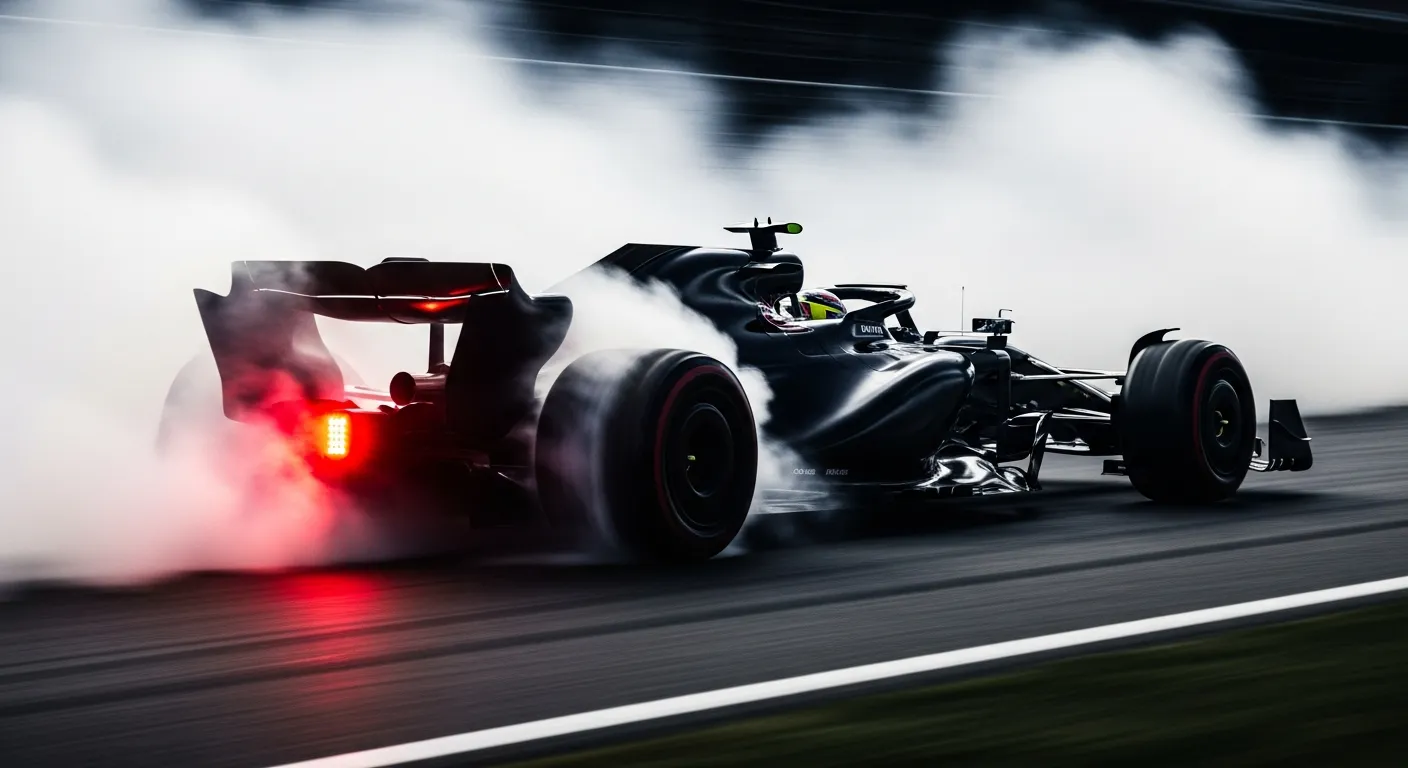
Fernando Alonso's 2018 Japanese Grand Prix at the demanding Suzuka Circuit saw the Spanish driver climb four positions from his starting grid slot, ultimately finishing 14th for McLaren. Starting from 18th on the grid, Alonso completed 52 laps of the race, one lap down from the leader, a common status for midfield runners on this challenging track. While his McLaren MCL33 did not contend for points, Alonso demonstrated his characteristic racecraft by improving his track position. His fastest lap of 1:33.943, recorded on lap 28, placed him 7th fastest overall in the race, a notable performance given his final classification. This lap time was significantly quicker than his teammate Stoffel Vandoorne's 1:35.023, who finished 15th after starting 19th, highlighting Alonso's ability to extract maximum performance from the package. This period for McLaren, as detailed on the [Formula 1 — official site](https://www.formula1.com/en), was one of transition and development, a context that shaped many drivers' seasons.
The race at Suzuka, a circuit known for its high-speed corners and technical demands, often separates driver skill from car performance. Alonso's ability to extract such a competitive fastest lap time, despite the overall package limitations, underscored his enduring talent. This was a season where McLaren's performance often left drivers like Alonso battling in the midfield, a situation not dissimilar to the challenges faced by [Pierre Gasly at the 2019 Monaco Grand Prix](/results/2019-monaco-pierre-gasly) in different machinery. For Alonso, races like this were about maximizing potential, even when points were out of reach, a consistent effort documented in the historical race records provided by [Jolpica/Ergast — 2026 season data](https://api.jolpi.ca/ergast/f1/2026.json). His commitment, even in the absence of championship contention, was a hallmark of his final full season in F1, a career extensively covered on [Wikipedia: Formula One](https://en.wikipedia.org/wiki/Formula_One). The broader regulatory framework for these races is managed by the [FIA — F1 World Championship](https://www.fia.com/events/fia-formula-one-world-championship), ensuring fair competition across the grid. Such efforts from experienced drivers set a benchmark for emerging talents like [Lando Norris at the 2019 Monaco Grand Prix](/results/2019-monaco-lando-norris) who would later join McLaren. Alonso's drive at Suzuka, while not yielding points, was another example of pushing the limits, a theme revisited in his subsequent appearances, including the [Fernando Alonso at the 2019 Monaco Grand Prix](/results/2019-monaco-fernando-alonso). Further information on the championship structure can be found via the [FIA — F1 World Championship](https://www.fia.com/events/fia-formula-one-world-championship) official body.
Verified race record · Ergast
Grid
P18
Finish
P14
Points
0
Laps
52
Constructor
McLaren Racing
Status
+1 Lap
Teammate that weekend
Stoffel Vandoorne
Grid P19 · Finish P15 · 0 pts
Championship · before vs after
Before round 17
P950 pts
After round 17
P1050 pts