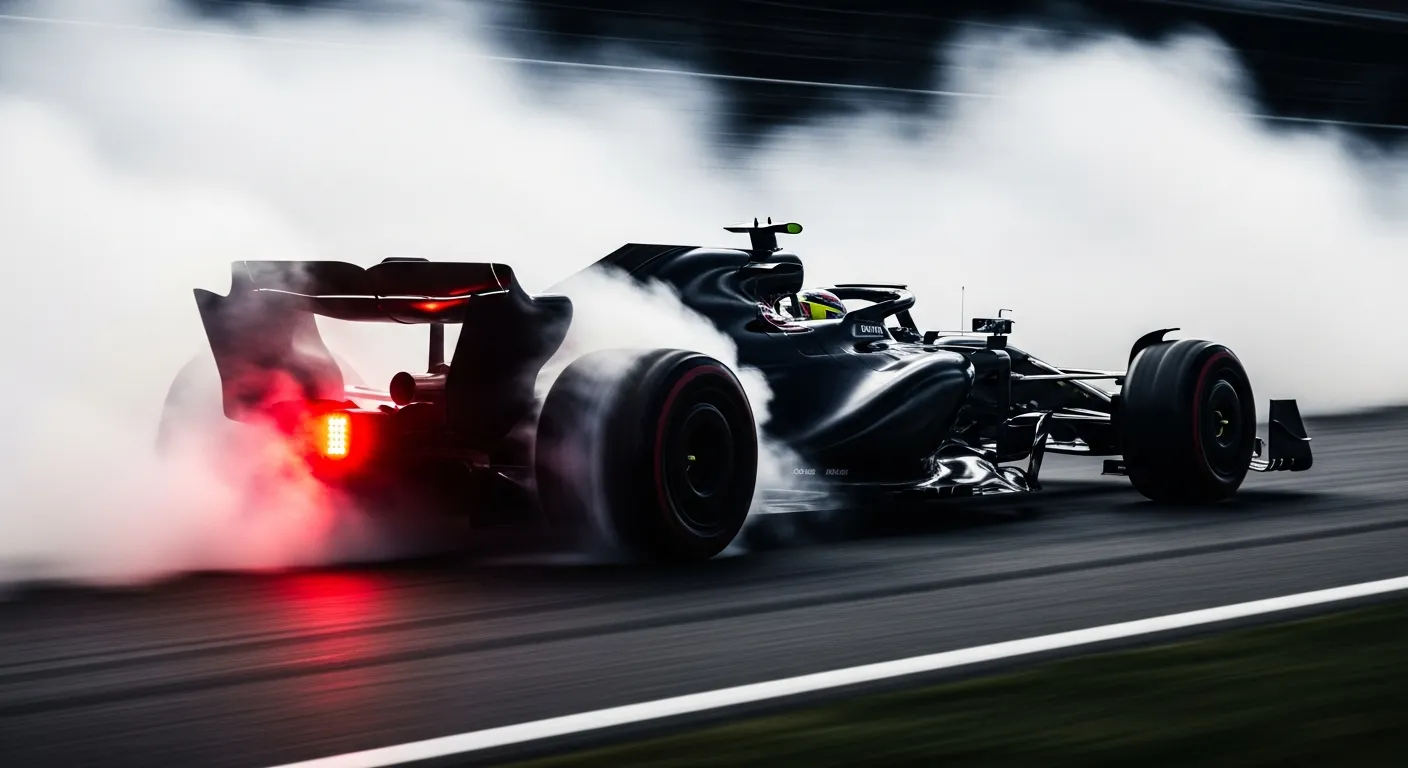
The 2022 Bahrain Grand Prix marked a challenging start to the season for Pierre Gasly and Scuderia AlphaTauri, culminating in a power unit retirement on lap 44. Having qualified in 10th position, Gasly demonstrated solid pace in the initial phases of the race, maintaining a presence within the midfield battle. His fastest lap of "1:37.324" on lap 34 positioned him 17th fastest overall for the race, indicating moments of competitive performance before the technical issues arose. This early reliability concern for the Italian constructor highlighted the inherent complexities of the new technical regulations introduced for the 2022 [Formula 1 — official site](https://www.formula1.com/en) season, which brought significant changes to car design and power unit integration. The new era of ground effect aerodynamics and revised power unit specifications presented a steep learning curve for all teams on the [FIA — F1 World Championship](https://www.fia.com/events/fia-formula-one-world-championship) calendar.
The retirement, officially attributed to a "Power unit" issue, meant Gasly completed only 44 of the scheduled 57 laps, earning no points from the opening round. This contrasted sharply with his teammate, Yuki Tsunoda, who managed to navigate the race to a commendable 8th place finish, securing 4 points for Scuderia AlphaTauri. Such a disparity in outcomes for teammates in the season opener often prompts a thorough technical review by the team, as outlined by the stringent technical directives governing [Wikipedia: Formula One](https://en.wikipedia.org/wiki/Formula_One) power unit components. For Gasly, this early setback was a stark reminder of the fine margins in F1 racing, where mechanical reliability is as crucial as driver skill. Looking ahead, drivers like [Pierre Gasly at the 2023 Saudi Arabian Grand Prix](/results/2023-jeddah-pierre-gasly) often face pressure to rebound quickly from such DNFs. The broader field also saw significant power unit related retirements, including both Red Bull cars, underscoring a wider challenge across the grid with the new generation of cars that year. The detailed [Jolpica/Ergast — 2026 season data](https://api.jolpi.ca/ergast/f1/2026.json) provides a comprehensive look at how such incidents impact long-term championship standings. Maintaining reliability is a constant battle, a theme also evident in the performance of drivers such as [Esteban Ocon at the 2023 Saudi Arabian Grand Prix](/results/2023-jeddah-esteban-ocon), who has navigated his own share of technical challenges. The data from the 2022 Bahrain Grand Prix serves as a critical baseline for understanding the performance envelope of the new generation of F1 cars and their power units, a challenge that teams continuously refine throughout a season, as seen with drivers like [Alexander Albon at the 2023 Saudi Arabian Grand Prix](/results/2023-jeddah-alex-albon) adapting to new machinery. Further technical analysis of power unit performance and reliability trends can be found on various [Formula 1 technical analysis sites](https://www.formula1.com/en/latest/technical.html) and in the official [F1 Sporting Regulations](https://www.fia.com/sites/default/files/2022_formula_1_sporting_regulations_-_iss_11_-_2022-06-29.pdf) documents. The focus for AlphaTauri immediately shifted to diagnosing the specific power unit failure to prevent recurrence in subsequent rounds.
Verified race record · Ergast
Grid
P10
Finish
Power unit
Points
0
Laps
44
Constructor
Scuderia AlphaTauri
Status
Power unit
Teammate that weekend
Yuki Tsunoda
Grid P16 · Finish P8 · 4 pts