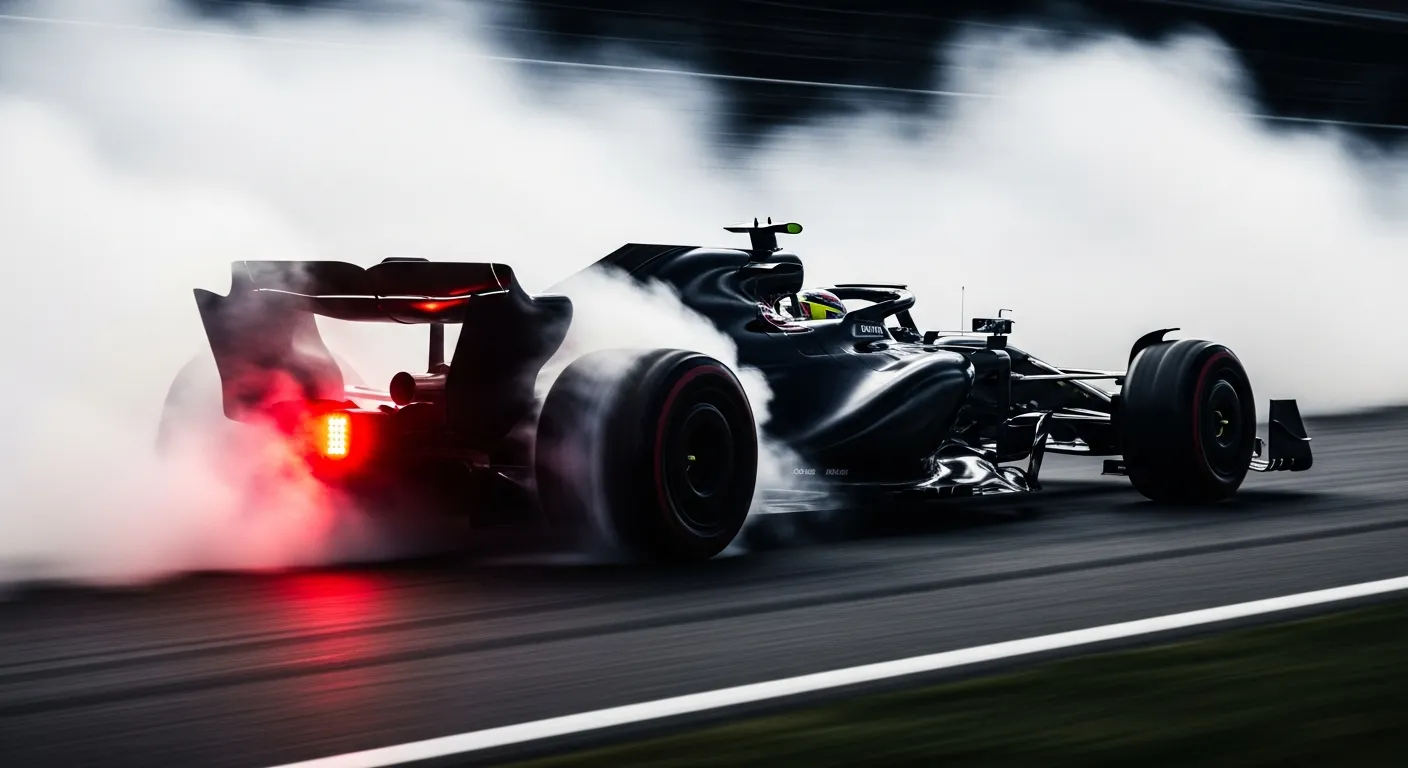
Carlos Sainz Jr.'s drive at the 2022 São Paulo Grand Prix on November 13, 2022, was a measured performance that saw the Scuderia Ferrari driver convert a seventh-place grid start into a third-place podium finish, navigating a race marked by strategic tire management and competitive pace at the Autódromo José Carlos Pace. He completed the full 71 laps, crossing the line in 1:38:38.095 and securing 15 points for his efforts. Sainz demonstrated consistent speed throughout the Grand Prix, recording his fastest lap, a 1:13.953 on lap 65, which ranked third overall among all competitors, just behind the dominant Mercedes duo of George Russell and Lewis Hamilton. This strong showing underscored Ferrari's capacity to challenge at the front, even as Mercedes secured a commanding 1-2 finish. Sainz's ability to climb four positions from his initial grid slot highlights a robust race execution, a significant contrast to some earlier career outings, such as his retirement at the [2017 Belgian Grand Prix](/results/2017-spa-francorchamps-carlos-sainz) while driving for Toro Rosso. The Spanish driver's consistent pace and strategic awareness were key to his advancement through the field, especially considering the competitive nature of the midfield pack at Interlagos and the circuit's reputation for demanding tire performance.
The São Paulo event saw Ferrari's strategy unfold effectively, with both drivers in the points, as teammate Charles Leclerc finished just behind Sainz in fourth position, securing 12 points. This dual points haul was crucial for the constructor standings, reinforcing Scuderia Ferrari's battle for second place against Mercedes. Sainz's race management was particularly evident in his tire degradation control, a factor critical at the demanding Interlagos circuit, known for its undulating layout, high-speed sections, and abrasive surface that tests compounds rigorously. The broader context of Formula 1 racing, a global motorsport series governed by intricate technical regulations set by the [FIA — F1 World Championship](https://www.fia.com/events/fia-formula-one-world-championship), demands constant adaptation from teams like Ferrari in their car development and race strategies. For a general overview of the sport's history and structure, resources like [Wikipedia: Formula One](https://en.wikipedia.org/wiki/Formula_One) provide extensive background. His consistent presence among the sport's top competitors has been a hallmark of his career, often engaging in fierce battles for position, reminiscent of the intensity seen in races involving drivers like [Lewis Hamilton at the 2017 Hungarian Grand Prix](/results/2017-hungaroring-lewis-hamilton) or [Fernando Alonso at the 2017 Hungarian Grand Prix](/results/2017-hungaroring-fernando-alonso). For those interested in the granular data behind such performances, comprehensive F1 results and statistics are often compiled by various sources, including detailed [Jolpica/Ergast — 2026 season data](https://api.jolpi.ca/ergast/f1/2026.json) archives, which provide a deep dive into lap times and race progressions. This podium finish was a significant moment in the penultimate race of the 2022 season, contributing valuable points to his championship tally and showcasing his ability to extract performance and manage race conditions under pressure.
Verified race record · Ergast
Grid
P7
Finish
P3
Points
15
Laps
71
Constructor
Scuderia Ferrari
Status
Finished
Teammate that weekend
Charles Leclerc
Grid P5 · Finish P4 · 12 pts
Championship · before vs after
Before round 21
P6212 pts
After round 21
P6234 pts