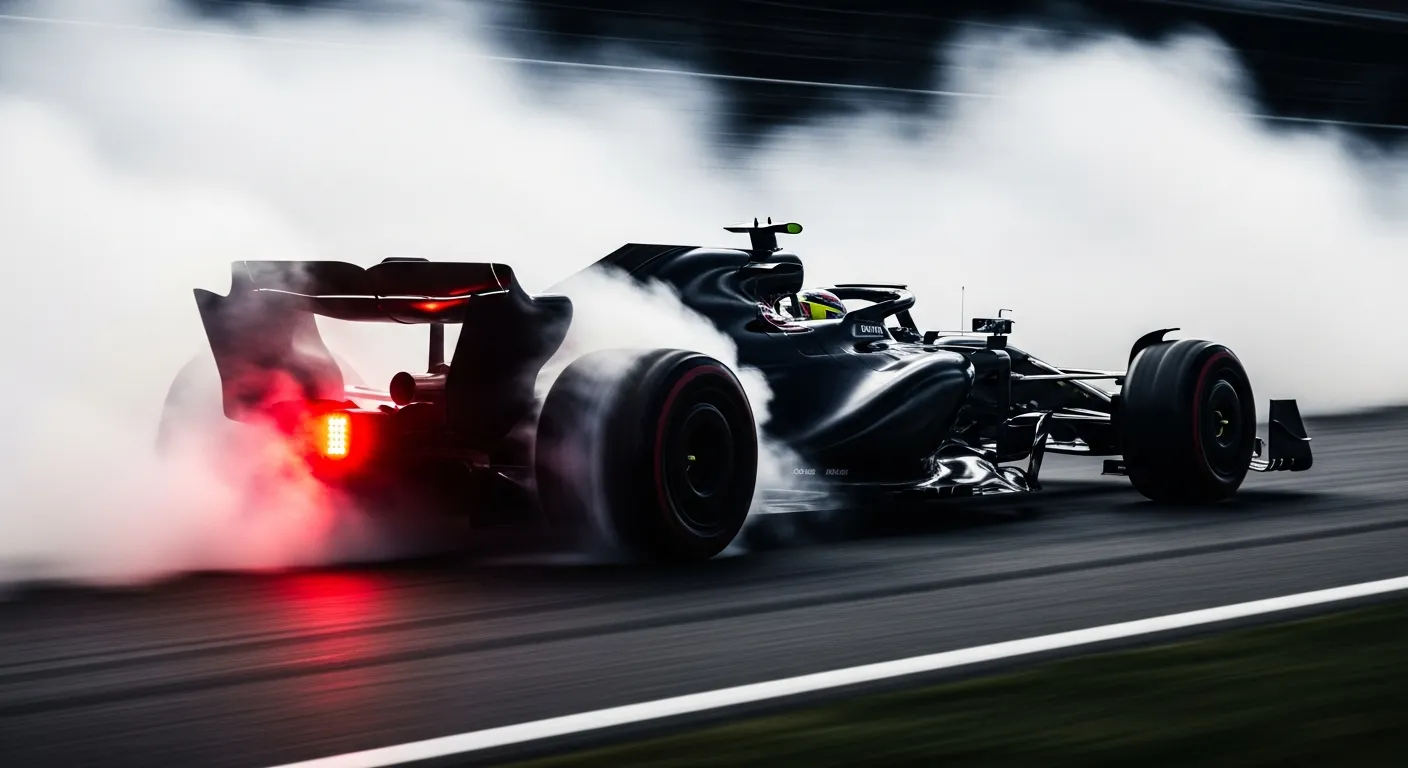
Esteban Ocon's drive at the 2022 Canadian Grand Prix demonstrated a disciplined race craft, advancing one position from his starting grid slot to secure a solid points finish for Alpine F1 Team. Starting from the seventh position on the grid at the iconic [Circuit Gilles Villeneuve](https://www.formula1.com/en/circuits/canada/circuit-gilles-villeneuve.html), Ocon navigated the full 70-lap race distance with precision, ultimately crossing the finish line in sixth place. This performance earned him 8 crucial points, contributing significantly to Alpine's constructor efforts in a highly competitive season. His total race time was recorded as 1:36:45.647, a testament to a consistent and well-managed run, with his fastest lap of 1:17.110 achieved on lap 62. This strategic execution allowed him to improve upon his qualifying result, a key objective for any driver aiming for championship contention, particularly in a race that saw several incidents and safety car periods, demanding adaptability and composure.
The race unfolded with a mix of strategic plays and on-track battles, characteristic of the challenging Montreal circuit. Ocon's ability to maintain a strong pace and manage his Pirelli tires effectively was evident throughout, especially in the latter half of the Grand Prix. While his teammate, [Fernando Alonso](/results/2017-hungaroring-fernando-alonso), who had started an impressive second on the grid, ultimately finished ninth, Ocon's consistent performance ensured both Alpine cars finished in the points, a valuable outcome for the French constructor. This contrasted with the fortunes of other competitors, such as Max Verstappen, who secured the victory, and those who faced retirements like Sergio Pérez due to a gearbox issue and Mick Schumacher with a hydraulics problem. Understanding the intricate balance of car performance, driver skill, and strategic calls is vital in [Formula 1](https://en.wikipedia.org/wiki/Formula_One), a sport rigorously governed by the [FIA's technical regulations](https://www.fia.com/events/fia-formula-one-world-championship).
Ocon's steady progress, moving up from his grid position, highlights his racecraft and ability to capitalize on opportunities presented during the Grand Prix. His performance in Montreal echoed the kind of measured drives he has delivered in the past, such as his outing at the [2017 Hungarian Grand Prix](/results/2017-hungaroring-esteban-ocon), where consistent lap times and strategic positioning were key. The detailed [F1 season data](https://api.jolpi.ca/ergast/f1/2026.json) from sources like Ergast provides a comprehensive look at these performances, enabling analysts to track trends and driver progression throughout the [Formula 1 World Championship](https://www.formula1.com/en). His sixth-place finish placed him ahead of strong contenders like Valtteri Bottas and Guanyu Zhou from Alfa Romeo, who finished seventh and eighth respectively, further underscoring the intensity of the mid-field battle. The strategic calls from the Alpine pit wall, combined with Ocon's precise execution, were instrumental in converting a solid starting position into a valuable points haul. This result was particularly significant in the broader context of the [2022 F1 season](https://www.formula1.com/en/latest/season-2022.html), where every point proved crucial in the tightly contested constructors' championship. The pressure from drivers like [Lewis Hamilton](/results/2017-hungaroring-lewis-hamilton), who finished third, and George Russell in fourth, meant Ocon had to maintain focus and pace throughout the entire 70 laps, showcasing his mental fortitude and physical endurance.
Verified race record · Ergast
Grid
P7
Finish
P6
Points
8
Laps
70
Constructor
Alpine F1 Team
Status
Finished
Teammate that weekend
Fernando Alonso
Grid P2 · Finish P9 · 2 pts
Championship · before vs after
Before round 9
P931 pts
After round 9
P939 pts