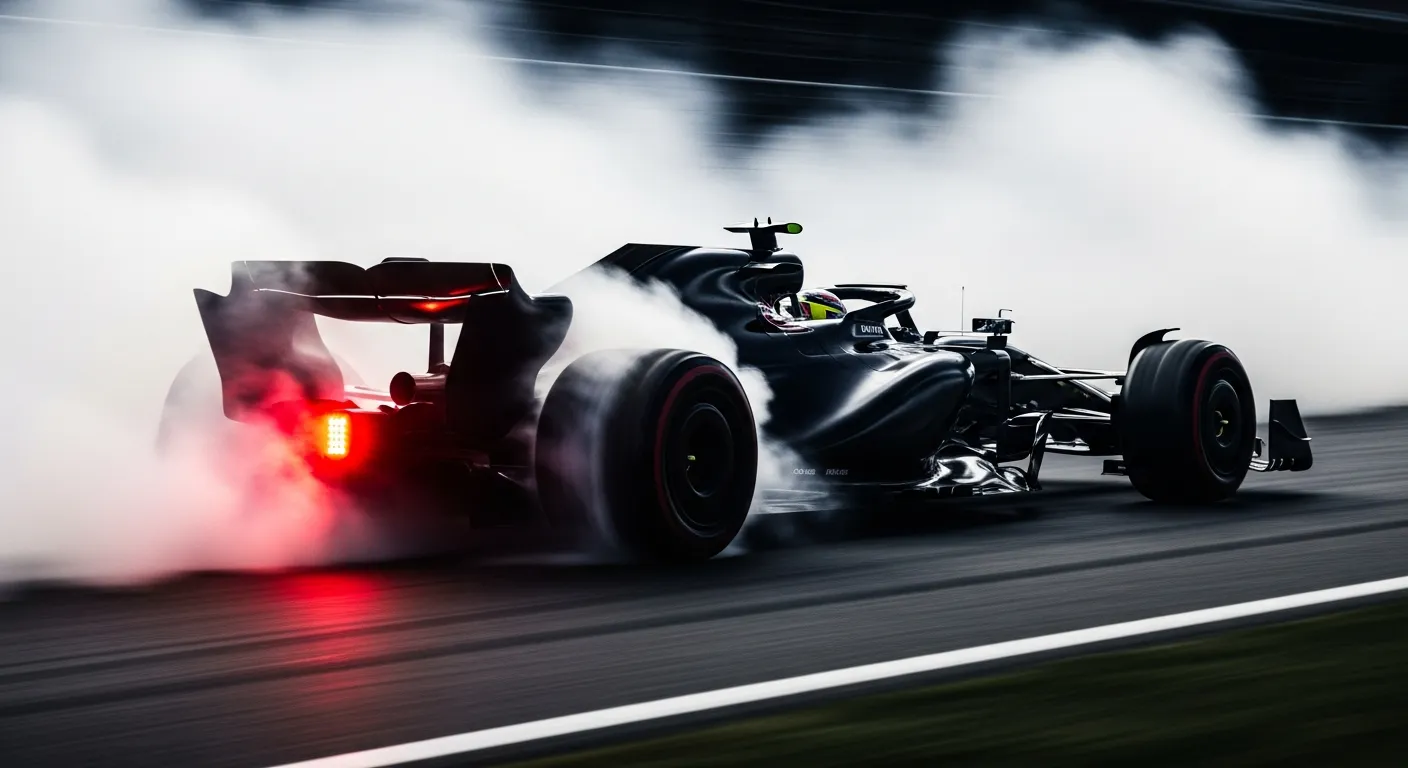
The 2022 Canadian Grand Prix at Circuit Gilles Villeneuve became a compelling strategic duel, where tyre degradation and a late-race Safety Car intervention reshaped the battle for victory, testing the composure of the front-runners. This race, set against the backdrop of the ground-effect era's technical challenges, highlighted the delicate balance between raw pace and strategic foresight.
Qualifying
Qualifying for the Canadian Grand Prix was a dramatic affair, heavily influenced by changing weather conditions. A wet track in Q3 meant drivers had to adapt quickly, with the ultimate pole position secured by a driver who demonstrated exceptional car control in the challenging environment. This set the stage for a grid where several contenders found themselves out of position, notably Charles Leclerc, who faced grid penalties for power unit component changes. His starting position further down the field meant a recovery drive was inevitable, adding another layer of strategic complexity for Ferrari on race day. The unpredictability of these sessions often dictates the strategic options available to teams, a factor we've seen play out in similar fashion at circuits like the 2021 Monaco Grand Prix, where track position is paramount.
Race
The race itself was a tale of two halves, punctuated by critical incidents and strategic gambles. From the outset, the leading car established a controlled pace, managing tyres effectively. However, the race was not without its challenges for the front-running teams. Sergio Pérez's early retirement due to a gearbox issue was a significant blow for Red Bull, underscoring the relentless demands on reliability in modern Formula 1. This incident, while unfortunate, did not trigger a Safety Car, allowing the race to continue under green flag conditions for a considerable period. The mid-field saw intense battles, with drivers pushing the limits of their machinery on a circuit known for its unforgiving walls. The evolving track conditions and tyre wear were constant considerations for every team, as detailed by the Formula 1 — official site.
Strategic Story
The pivotal moment arrived with Yuki Tsunoda's incident, which brought out the Safety Car. This intervention immediately presented a strategic dilemma for the teams. The leader, having already pitted, opted to stay out, committing to a longer final stint on older hard tyres. Meanwhile, Carlos Sainz, who had been running strongly, seized the opportunity to pit for fresher hard tyres, setting up a direct challenge for the lead in the closing laps. This decision transformed the race from a potentially comfortable victory into a high-stakes defensive masterclass. The dynamic between tyre age and track position became the central narrative, a classic scenario where a Safety Car can completely reset the strategic landscape, much like the strategic nuances observed at the 2021 Bahrain Grand Prix where early-race incidents shaped pit stop windows. The data from previous seasons, accessible via resources like Jolpica/Ergast — 2026 season data, often shows how these interventions influence final results.
Championship Impact
The outcome of the Canadian Grand Prix had significant implications for the Drivers' and Constructors' Championships. The leading driver's victory further solidified his position at the top of the standings, extending a crucial points advantage. Carlos Sainz's strong second-place finish was a vital points haul for Ferrari, keeping their championship aspirations alive despite Leclerc's recovery drive from the back of the grid. Leclerc's ability to climb through the field to score valuable points, even with penalties, demonstrated the raw pace of the F1-75. This race underscored the importance of every point in a championship battle, a narrative that continued to unfold across the season, as discussed by various FIA — F1 World Championship analyses. The consistent performance of the Red Bull RB18, even with a DNF, showcased its competitive edge in the new ground-effect regulations, a design philosophy extensively covered on Wikipedia: Formula One.
Full classified results
Every driver's verified grid-to-flag result from the 2022 Canadian Grand Prix — grid, finish, points, teammate H2H, and championship swing.
- P1Max VerstappenRed Bull25 pts
- P2Carlos SainzFerrari19 pts
- P3Lewis HamiltonMercedes15 pts
- P4George RussellMercedes12 pts
- P5Charles LeclercFerrari10 pts
- P6Esteban OconAlpine F1 Team8 pts
- P7Valtteri BottasAlfa Romeo6 pts
- P9Fernando AlonsoAlpine F1 Team2 pts
- P10Lance StrollAston Martin1 pts
- P11Daniel RicciardoMcLaren0 pts
- P12Sebastian VettelAston Martin0 pts
- P13Alexander AlbonWilliams0 pts
- P14Pierre GaslyAlphaTauri0 pts
- P15Lando NorrisMcLaren0 pts
- —Yuki TsunodaAlphaTauriAccident
- —Sergio PérezRed BullGearbox