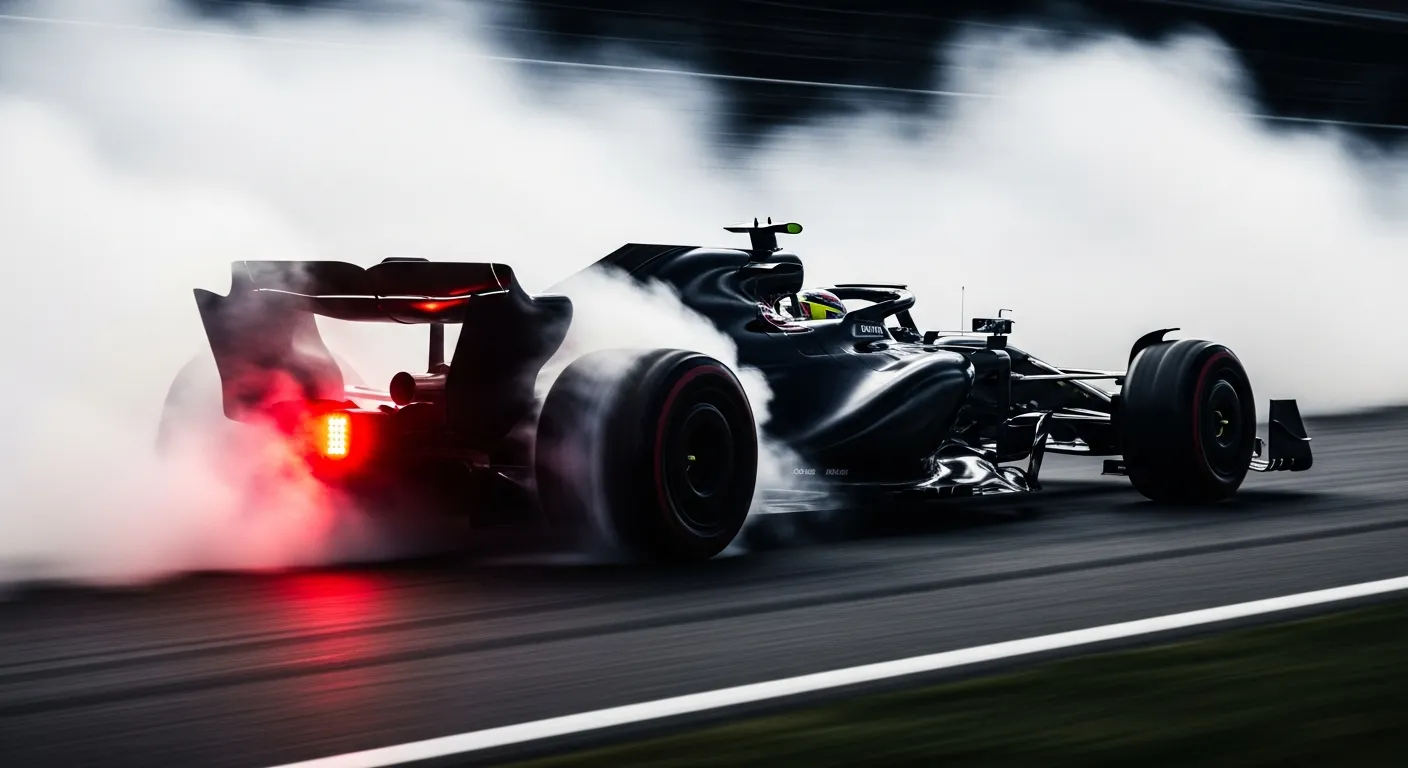
Esteban Ocon's drive at the 2022 Dutch Grand Prix was a methodical progression from a midfield grid slot into the points, demonstrating Alpine F1 Team's operational efficiency on a demanding circuit. Starting from 12th on the grid, Ocon navigated the tight confines of Circuit Park Zandvoort, a track known for its high-speed banking and minimal overtaking opportunities, to cross the finish line in 9th position. He completed all 72 laps of the race, posting a total time of 1:37:03.890. This represented a net gain of three positions over the course of the Grand Prix, a solid result that secured two crucial points for the French constructor. The performance highlighted Ocon's ability to manage race pace and strategy effectively, particularly in a race punctuated by various safety car deployments and strategic gambles from rival teams. His teammate, Fernando Alonso, also delivered a strong outing for Alpine, climbing from 13th to finish 6th, further underscoring the team's competitive package and strategic execution at this round of the [FIA Formula One World Championship](https://www.fia.com/events/fia-formula-one-world-championship). The ability to manage these disruptions and capitalize on opportunities is crucial for points finishes, especially when starting outside the immediate top ten, as Ocon did. Such consistent performances are a hallmark of successful [Formula 1 racing](https://www.formula1.com/en) campaigns on the global stage.
Ocon's two points from the Dutch Grand Prix were instrumental in maintaining his 8th position in the Drivers' Championship, increasing his tally from 64 to 66 points after this round. His fastest lap of the race, a 1:15.084 recorded on lap 64, positioned him 11th overall in the fastest lap rankings for the event, indicating a strong late-race pace as conditions evolved and the field spread. This blend of strategic execution and consistent speed is often what separates midfield contenders from those consistently scoring in a tightly contested season. The race saw intense competition throughout the field, with drivers like [George Russell, who secured P2 at Zandvoort](/results/2024-red-bull-ring-george-russell), demonstrating how rapidly positions could change and how crucial strategic calls became. Alpine's strategic decisions, including tire management across multiple stints and precise pit stop timings, were critical in allowing both Ocon and Alonso to move forward through the pack. Analyzing these granular details, often available through comprehensive [F1 season data](https://api.jolpi.ca/ergast/f1/2026.json), provides invaluable insights into team performance over a season, a practice common in the detailed reporting found on platforms like [Wikipedia: Formula One](https://en.wikipedia.org/wiki/Formula_One). Ocon's consistent points-scoring performances, similar to his efforts as [Esteban Ocon at the 2024 Austrian Grand Prix](/results/2024-red-bull-ring-esteban-ocon), are vital for Alpine's constructors' championship aspirations, providing a reliable source of points. The team's overall strategy allowed both drivers to secure points, with [Fernando Alonso at the 2024 Austrian Grand Prix](/results/2024-red-bull-ring-fernando-alonso) frequently showcasing similar race craft from challenging grid positions across different seasons. This race at Zandvoort was a testament to Alpine's capacity to extract performance and points from both cars under pressure, navigating the complexities of the [Formula 1 calendar](https://www.formula1.com/en). Further detailed analysis of race results can be found on the [official F1 website](https://www.formula1.com/en).
Verified race record · Ergast
Grid
P12
Finish
P9
Points
2
Laps
72
Constructor
Alpine F1 Team
Status
Finished
Teammate that weekend
Fernando Alonso
Grid P13 · Finish P6 · 8 pts
Championship · before vs after
Before round 15
P864 pts
After round 15
P866 pts