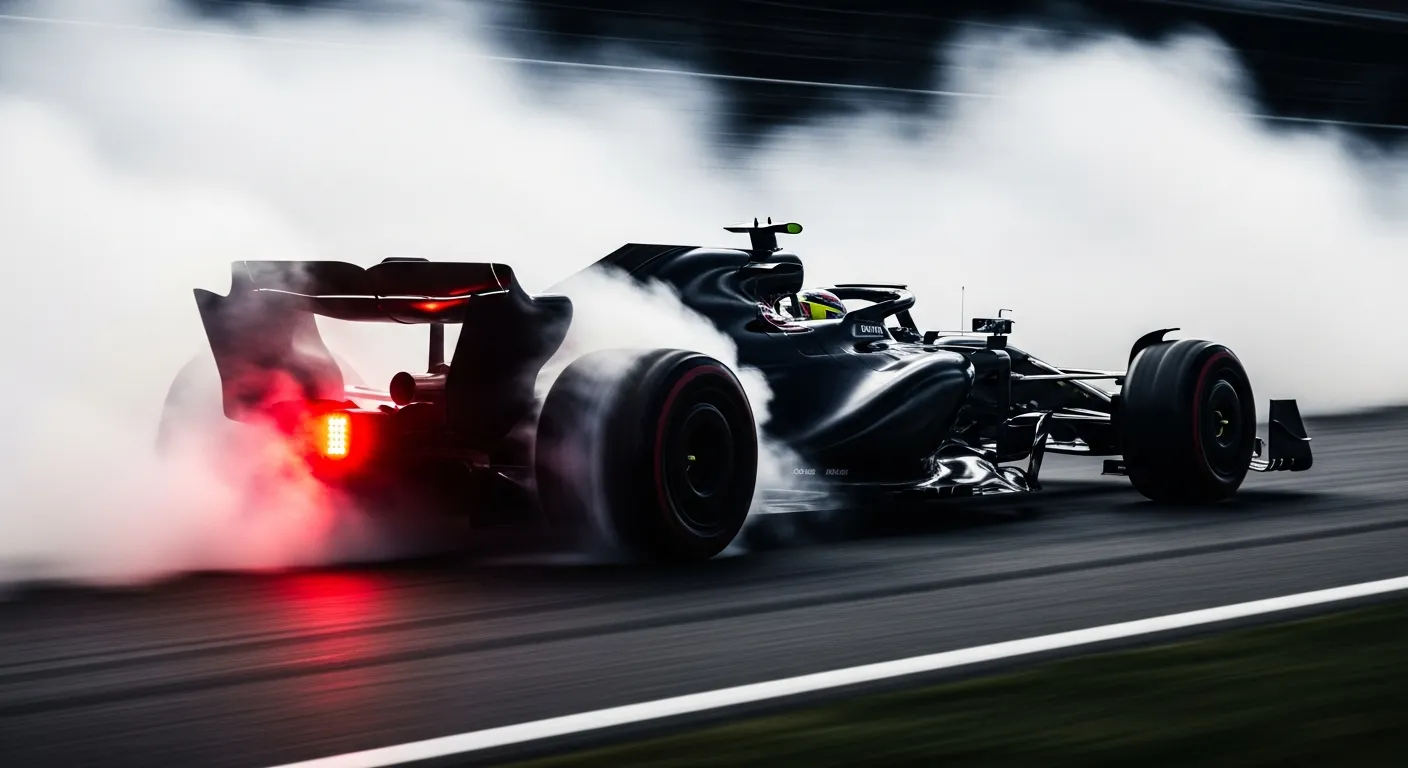
Yuki Tsunoda's 2023 Hungarian Grand Prix saw him navigate a challenging race from 17th on the grid to a 15th place finish, ultimately unable to break into the points for Scuderia AlphaTauri. The Hungaroring circuit, with its demanding sequence of corners and limited overtaking opportunities, often emphasizes qualifying performance, making Tsunoda's starting position of 17th a significant hurdle for any substantial progress into the points-scoring positions. Despite this, he managed to gain two places over the 70-lap event, completing 69 laps and finishing with a status of "+1 Lap" behind the race winner, Max Verstappen. This outcome placed him squarely in the thick of the midfield battles that characterized much of the 2023 season. His teammate, Daniel Ricciardo, making his highly anticipated return to the team, started four positions higher in 13th and finished 13th. This comparison highlights the inherent performance ceiling of the AT04 chassis on this particular weekend, with both drivers experiencing the limitation of being lapped by the dominant front-runners. The Italian constructor's struggle for consistent pace was evident, as they consistently operated outside the top ten, a common theme for many teams vying for position in the lower half of the constructors' standings. For a comprehensive overview of the race weekend, including all driver performances and team strategies, the official [Formula 1 website](https://www.formula1.com/en) provides detailed results and analysis from the event.
Despite the team's collective challenge, Tsunoda demonstrated notable individual pace, particularly as the race progressed into its final stages. He recorded his fastest lap on lap 68, clocking a 1:23.269. This impressive time placed him as the 10th fastest overall among all competitors, a significant detail considering his finishing position. It was also notably quicker than his teammate Ricciardo's best lap of 1:23.934, set on lap 67, which ranked 17th. This late-race surge from Tsunoda suggests an ability to extract maximum performance from the car when the fuel load was lighter and the track conditions potentially more favorable, even if the strategic window for points had already closed. Such individual efforts, even without championship points, are crucial for team evaluation and future development. The intricacies of these performance variations across the grid, and how they contribute to a team's overall season narrative, can be further explored through detailed statistical platforms like [Jolpica/Ergast F1 data](https://api.jolpi.ca/ergast/f1/2026.json), which compiles historical race information. The intense midfield competition throughout the 2023 season meant that every tenth of a second mattered, and drivers like Tsunoda were consistently battling against strong opposition, a scenario that echoes the persistent challenges faced by drivers such as [Nico Hülkenberg at the 2026 Miami Grand Prix](/results/2026-miami-nico-hulkenberg) or [Liam Lawson at the 2026 Emilia Romagna Grand Prix](/results/2026-imola-liam-lawson) in their respective campaigns, a stark contrast to the commanding performances seen from front-runners like [Max Verstappen at the 2026 Emilia Romagna Grand Prix](/results/2026-imola-max-verstappen). Understanding the broader context of Formula One's technical and sporting regulations, as outlined on [Wikipedia: Formula One](https://en.wikipedia.org/wiki/Formula_One), is crucial for appreciating these nuanced performances and the constant push for marginal gains.
Verified race record · Ergast
Grid
P17
Finish
P15
Points
0
Laps
69
Constructor
Scuderia AlphaTauri
Status
+1 Lap
Teammate that weekend
Daniel Ricciardo
Grid P13 · Finish P13 · 0 pts
Championship · before vs after
Before round 11
P172 pts
After round 11
P172 pts