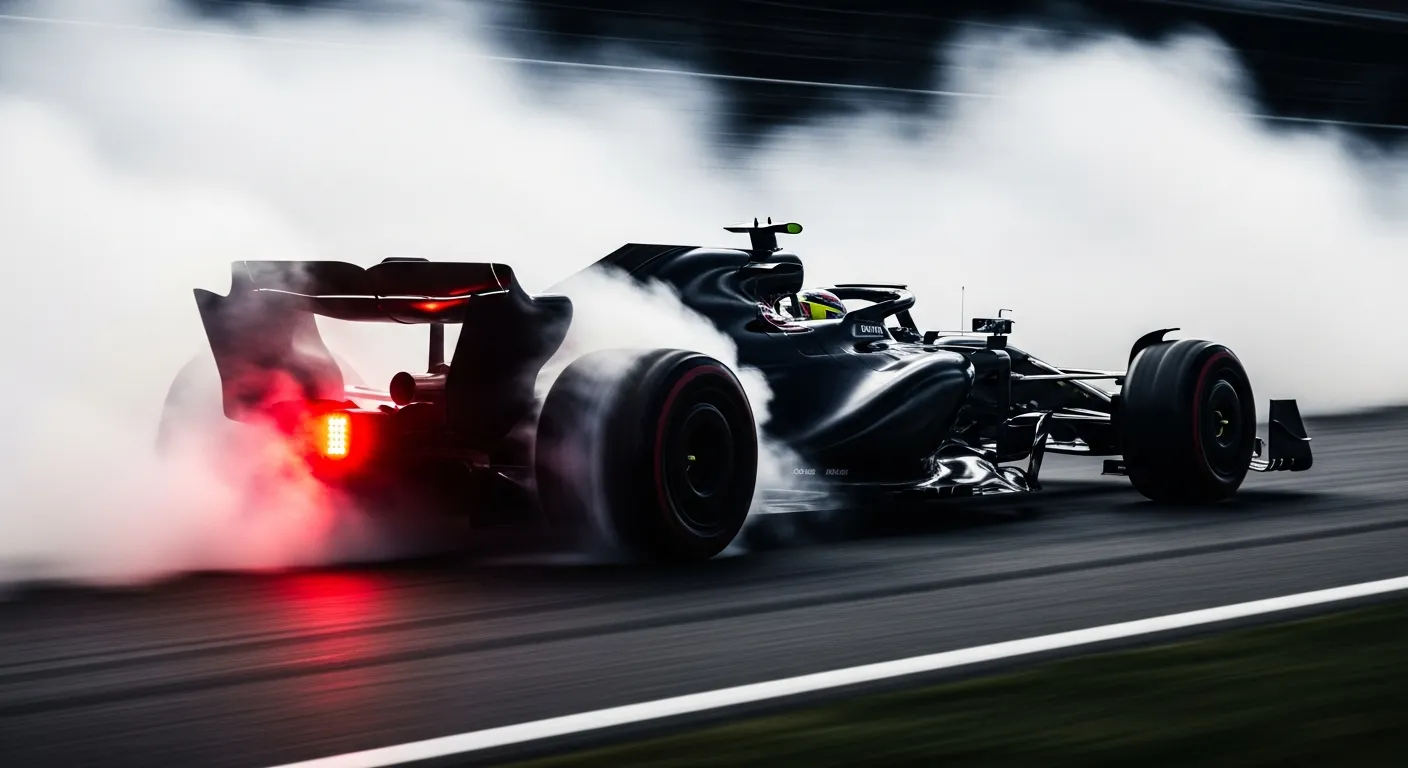
Max Verstappen's dominant performance at the 2023 Dutch Grand Prix saw him convert a pole position into a commanding victory, navigating challenging wet-dry conditions at his home circuit. Starting from the front of the grid, the Red Bull Racing driver completed all 72 laps in a total time of 2:24:04.411, securing the maximum 25 points. The race, held on August 27, 2023, at [Circuit Park Zandvoort](https://www.formula1.com/en/circuits/netherlands/zandvoort.html), was marked by intermittent rain, forcing strategic calls from the pit wall. Verstappen's ability to maintain control and pace through these transitions was key, showcasing the synergy between driver and the Red Bull RB19. While Fernando Alonso claimed the fastest lap of the race, Verstappen's second-ranked fastest lap of 1:13.889 on lap 58 underscored his consistent speed throughout the unpredictable event, a hallmark of his recent campaigns, much like his drive at the [Max Verstappen at the 2021 Bahrain Grand Prix](/results/2021-bahrain-max-verstappen). The overall [Formula 1 — official site](https://www.formula1.com/en) results for the round reflect a challenging but ultimately rewarding weekend for the Austrian team. For a deeper dive into the circuit's history, one might consult its [Wikipedia page for Circuit Park Zandvoort](https://en.wikipedia.org/wiki/Circuit_Zandvoort).
The strategic landscape of the race saw his teammate, Sergio Pérez, finish fourth, having started from seventh on the grid. This collective effort contributed significantly to Red Bull's constructor points tally. The dynamic nature of F1 racing, where conditions can shift rapidly, often separates top contenders. For instance, strong drives like [Carlos Sainz at the 2021 Japanese Grand Prix](/results/2021-suzuka-carlos-sainz) or the consistent performance seen from [Alexander Albon at the 2021 Japanese Grand Prix](/results/2021-suzuka-alex-albon) demonstrate the importance of adaptability. Understanding the historical context of such events can be found on [Wikipedia: Formula One](https://en.wikipedia.org/wiki/Formula_One), detailing the sport's evolution. The detailed race data, including lap times and positions, is meticulously recorded, providing insights into driver and team performance, as seen in comprehensive datasets like those available through [Jolpica/Ergast — 2026 season data](https://api.jolpi.ca/ergast/f1/2026.json). Further analysis of specific race statistics can be found in various [F1 data archives](https://api.jolpi.ca/ergast/f1/2026.json). The [FIA — F1 World Championship](https://www.fia.com/events/fia-formula-one-world-championship) regulations often play a crucial role in how teams approach such variable conditions, influencing tire choices and pit stop timings. This victory further solidified Verstappen's championship lead, adding another 25 points to his season total.
Verified race record · Ergast
Grid
P1
Finish
P1
Points
25
Laps
72
Constructor
Red Bull Racing
Status
Finished
Teammate that weekend
Sergio Pérez
Grid P7 · Finish P4 · 12 pts
Championship · before vs after
Before round 13
P1314 pts
After round 13
P1339 pts