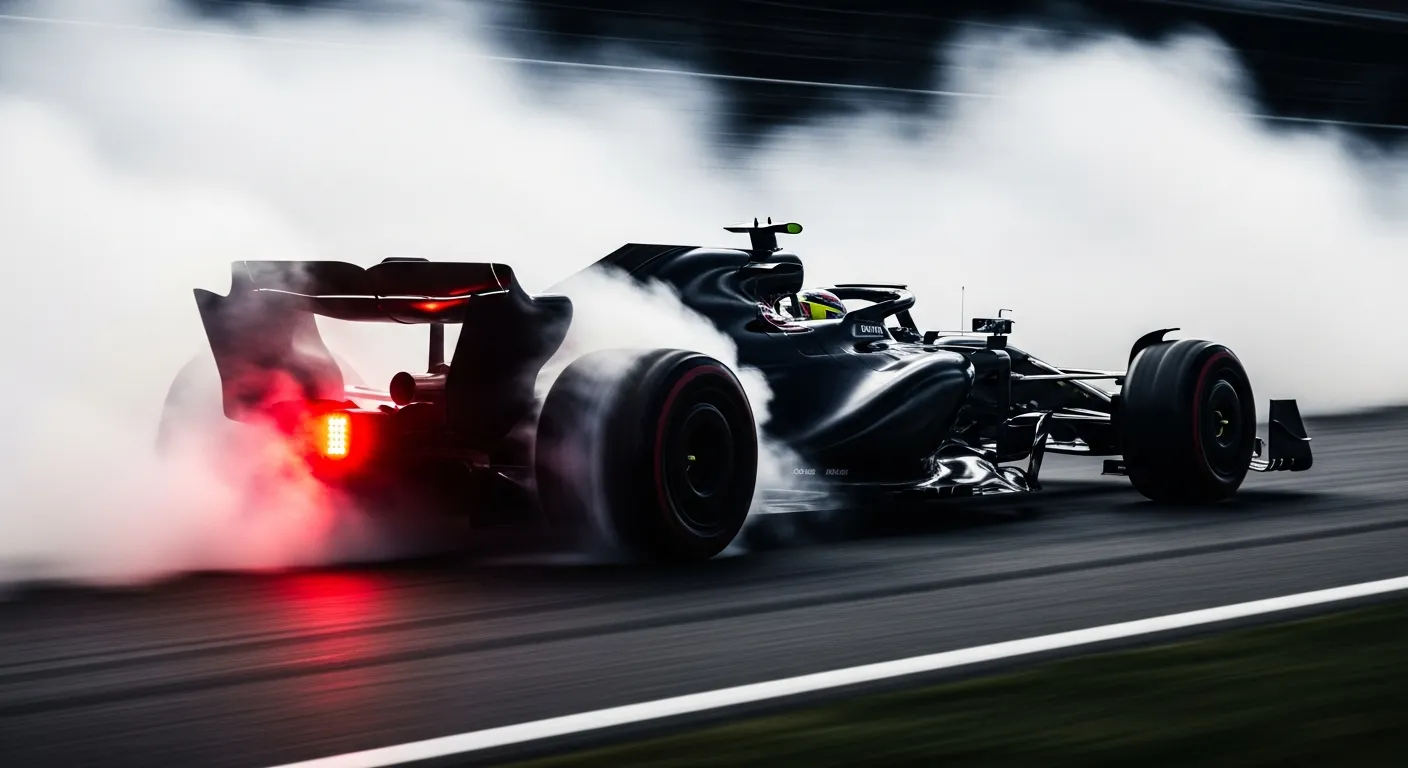
Nico Hülkenberg's outing at the 2024 Hungarian Grand Prix saw him maintain a consistent, if unspectacular, presence in the mid-field, ultimately finishing where the Haas F1 Team's current package often places them. Starting from 11th on the grid, Hülkenberg positioned his car effectively for the race start on the challenging Hungaroring circuit. While the initial grid position offered a glimpse of potential points, the race unfolded with Hülkenberg concluding the 70-lap event one lap down, in 13th position, mirroring the performance of his teammate, Kevin Magnussen, who finished 15th, also a lap behind the leaders. This result meant no additional points for the German driver in the 2024 [Formula 1 — official site](https://www.formula1.com/en) season.
The race pace for the Haas F1 Team proved to be a limiting factor, with Hülkenberg's fastest lap, a 1:23.461 on lap 54, placing him 16th overall in the fastest lap standings. This contrasts with the front-runners, such as Oscar Piastri and Lando Norris, who secured a McLaren 1-2, demonstrating the performance gap that mid-field teams like Haas are striving to close. For context, drivers like [Lando Norris at the 2022 Japanese Grand Prix](/results/2022-suzuka-lando-norris) have shown how strong qualifying can translate into race day success with a competitive package. Hülkenberg's performance at the Hungarian Grand Prix, a circuit known for its technical demands and difficulty in overtaking, highlighted the ongoing development battle within the [FIA — F1 World Championship](https://www.fia.com/events/fia-formula-one-world-championship). The Haas F1 Team, an [American constructor](https://www.formula1.com/en/teams/Haas.html), continues to work on extracting maximum performance from their VF-24 chassis. The detailed [F1 season data](https://api.jolpi.ca/ergast/f1/current/results.json) from sources like Ergast offer a granular view of these performance metrics. While [Lance Stroll at the 2022 Japanese Grand Prix](/results/2022-suzuka-lance-stroll) found a way into the points from a similar starting position in a different season, the 2024 Hungaroring race presented a different challenge for Hülkenberg. Despite the effort, the gap to the points-scoring positions remained. The broader context of [Wikipedia: Formula One](https://en.wikipedia.org/wiki/Formula_One) history shows that consistent mid-field finishes, even without points, contribute to a team's overall strategic understanding and data collection for future developments, as seen in the continuous evolution of regulations and car designs, which can be explored in [Jolpica/Ergast — 2026 season data](https://api.jolpi.ca/ergast/f1/2026.json). Looking ahead, the team will analyze the data from this race to optimize their package for upcoming rounds, aiming to convert solid qualifying efforts into tangible championship points for drivers like [Nico Hülkenberg](https://www.formula1.com/en/drivers/nico-hulkenberg.html) and his teammate. For comparison, a driver like [Esteban Ocon at the 2022 Japanese Grand Prix](/results/2022-suzuka-esteban-ocon) also faced challenges with car performance, underscoring the competitive nature of the F1 grid.
Verified race record · Ergast
Grid
P11
Finish
P13
Points
0
Laps
69
Constructor
Haas F1 Team
Status
+1 Lap
Teammate that weekend
Kevin Magnussen
Grid P15 · Finish P15 · 0 pts
Championship · before vs after
Before round 13
P1122 pts
After round 13
P1122 pts