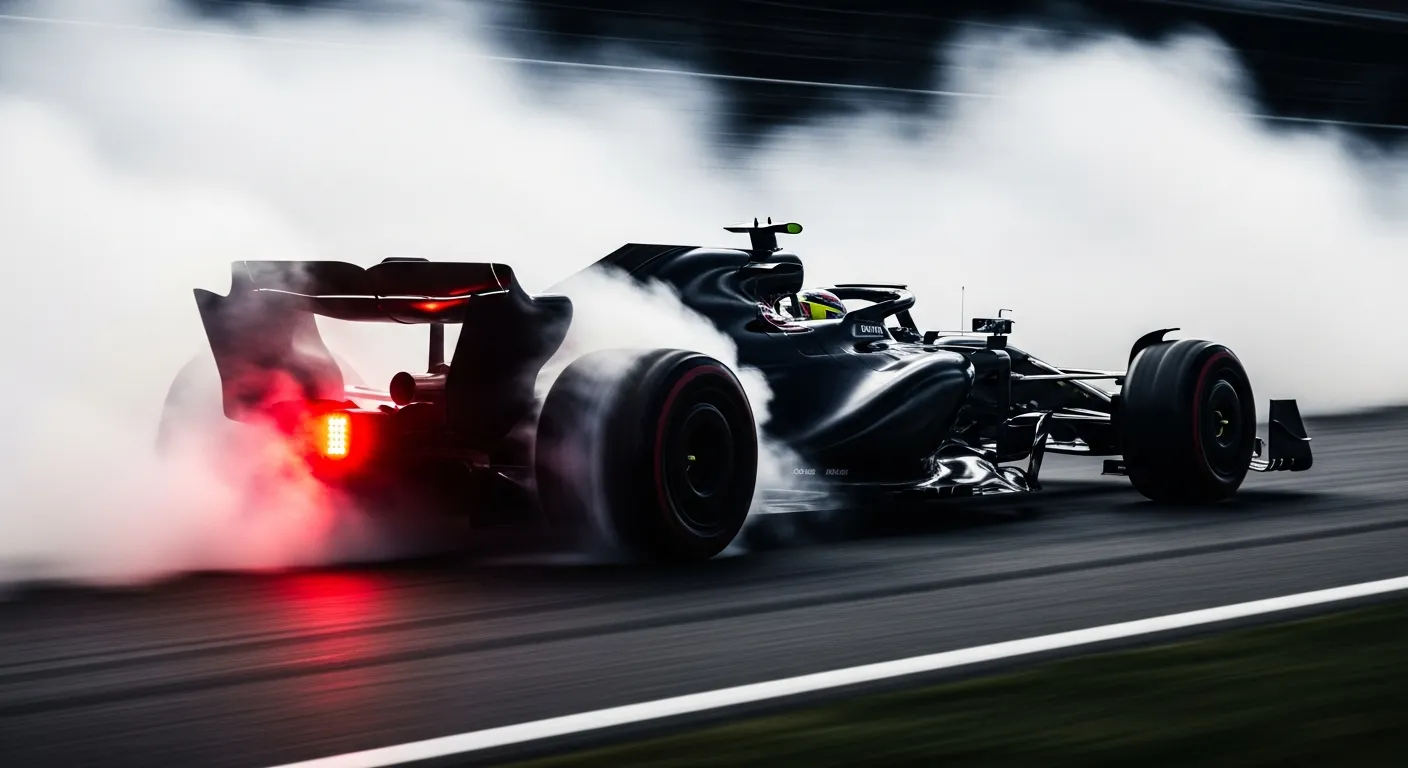
Esteban Ocon's performance at the 2024 Miami Grand Prix marked a significant turning point for Alpine F1 Team, as he secured their inaugural point of the season. Starting from 13th on the grid, Ocon demonstrated a composed drive over the 57 laps of the [Miami International Autodrome](https://www.formula1.com/en/racing/2024/Miami.html) circuit. The early stages of the race saw the French driver maintain position amidst the midfield jostling, a critical phase where many drivers, including [Oscar Piastri at the 2024 Azerbaijan Grand Prix](/results/2024-baku-oscar-piastri), often find their race trajectory defined. The mid-race safety car, triggered by a collision involving Logan Sargeant, presented a strategic window. Ocon's team capitalized on this, bringing him in for a pit stop that allowed him to re-join the pack with fresh tires, setting the stage for his push into the points. This strategic execution is a fundamental aspect of modern [Formula 1](https://en.wikipedia.org/wiki/Formula_One) racing, often dictating outcomes as much as raw pace, as demonstrated by the race winner, [Lando Norris at the 2024 Azerbaijan Grand Prix](/results/2024-baku-lando-norris).
As the race progressed, Ocon navigated the demanding street circuit, consistently logging lap times. His fastest lap of 1:32.037 on lap 51, while ranked 16th overall, was sufficient for his strategic objective. He managed to hold off challenges, ultimately crossing the finish line in 10th place, recording a total race time of 1:31:29.622. This result placed him ahead of his teammate, Pierre Gasly, who finished 12th with a fastest lap of 1:32.055 on lap 56. The single point earned for Alpine F1 Team was a tangible reward for their persistent efforts in what has been a challenging start to the 2024 campaign, a testament to the competitive nature of the [FIA Formula One World Championship](https://www.fia.com/events/fia-formula-one-world-championship). Drivers like [Fernando Alonso at the 2024 Azerbaijan Grand Prix](/results/2024-baku-fernando-alonso), who finished just ahead in Miami, exemplify the consistent performance required at the sharp end of the midfield. The data, available through platforms like [Jolpica/Ergast](https://api.jolpi.ca/ergast/f1/2026.json), provides a comprehensive overview of these race dynamics and the efforts of every team in the [Formula 1 — official site](https://www.formula1.com/en) ecosystem. The meticulous details of each race, including individual lap times and strategic decisions, are crucial for understanding the broader narrative of the season for teams and drivers alike, as seen in the broader [FIA F1 World Championship](https://www.fia.com/events/fia-formula-one-world-championship) context.
Verified race record · Ergast
Grid
P13
Finish
P10
Points
1
Laps
57
Constructor
Alpine F1 Team
Status
Finished
Teammate that weekend
Pierre Gasly
Grid P12 · Finish P12 · 0 pts
Championship · before vs after
Before round 6
P160 pts
After round 6
P151 pts