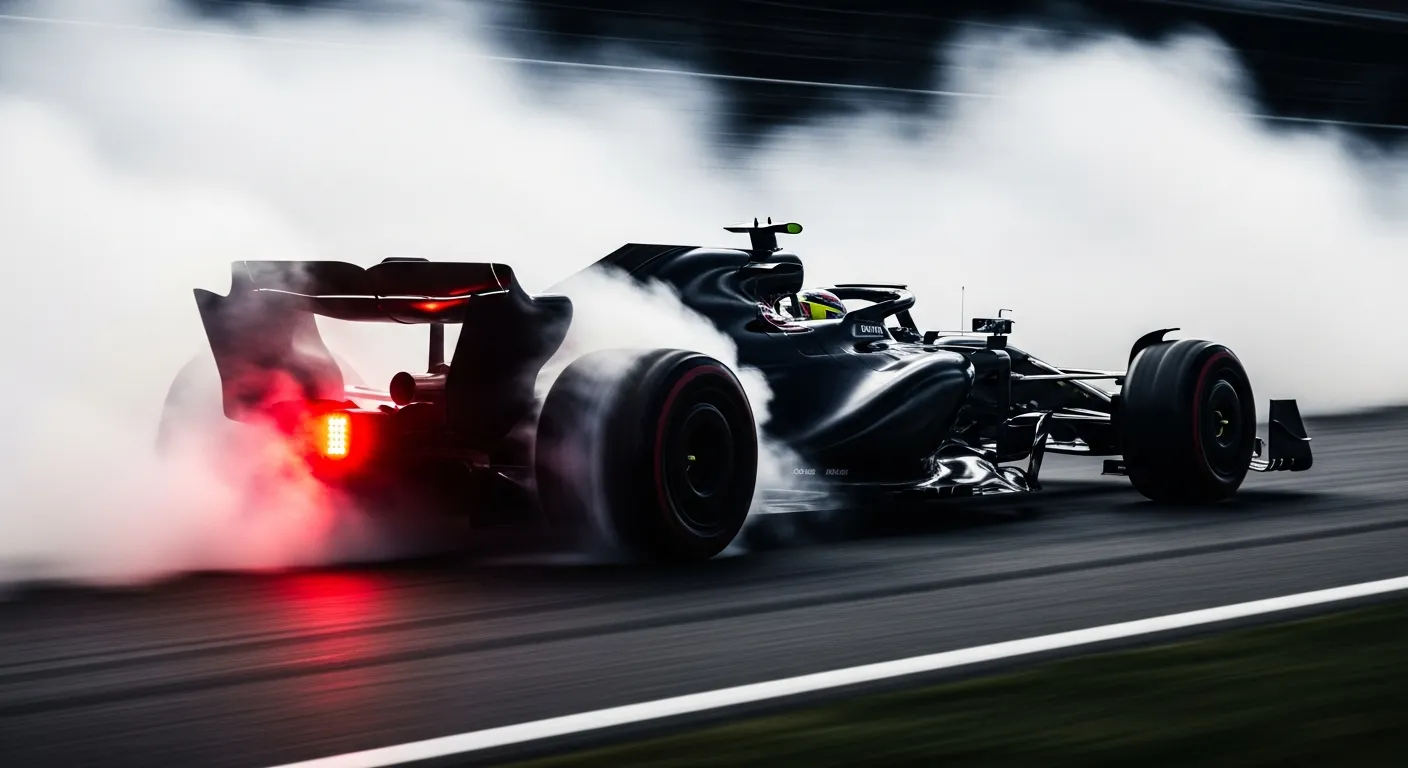
Pierre Gasly's outing at the 2024 Miami Grand Prix saw him maintain his starting grid position of 12th through to the checkered flag, completing all 57 laps for the Alpine F1 Team. The French driver, piloting the A524, concluded the race with a total time of 1:31:34.834, indicating a consistent, albeit non-points-scoring, run on the Miami International Autodrome. His fastest lap, a 1:32.055 recorded on lap 56, positioned him 17th overall in terms of single-lap pace. This placed him just behind his teammate Esteban Ocon, who achieved a 1:32.037 on lap 51 and secured a crucial point for Alpine by finishing 10th. Gasly's performance underscores the tight competition within the midfield, where small margins dictate whether a driver enters the points, a dynamic frequently observed in the [Formula 1 World Championship](https://www.fia.com/events/fia-formula-one-world-championship). The race itself was notable for Lando Norris's breakthrough victory, highlighting how strategic plays and safety car periods can dramatically alter race outcomes, a scenario that also impacted races such as [Lewis Hamilton at the 2014 Bahrain Grand Prix](/results/2014-bahrain-lewis-hamilton) when unexpected events reshaped the field.
While Gasly did not add to his points tally in Miami, his "Finished" status and navigation of a challenging circuit, finishing ahead of drivers like Oscar Piastri (who started from P6), illustrate a robust drive. The fact that Alpine secured a single point with Ocon offers a measure of progress for the French constructor, suggesting the team is incrementally finding performance. Gasly's race pace, as evidenced by his fastest lap, provides valuable data points for the team's ongoing development efforts, critical for understanding the car's competitive window within the broader [Formula 1](https://www.formula1.com/en) landscape. Analyzing these granular performances requires a detailed look into [F1 season data](https://api.jolpi.ca/ergast/f1/2026.json), which often reveals the subtle gains and persistent challenges faced by teams. The strategic demands of a 57-lap race, including tire management and pit stop timing, are paramount, as explored in deep dives into [Formula One racing](https://en.wikipedia.org/wiki/Formula_One) strategy. For instance, drivers like [Fernando Alonso at the 2014 Japanese Grand Prix](/results/2014-suzuka-fernando-alonso) have often had to maximize limited machinery through astute racecraft. Gasly's consistent driving, even without points, is integral to refining the car's setup and understanding its behavior across different compounds and fuel loads, a process familiar to drivers such as [Nico Hülkenberg at the 2014 Chinese Grand Prix](/results/2014-shanghai-nico-hulkenberg). The continuous evolution of [F1 car development](https://www.formula1.com/en) under strict [FIA regulations](https://www.fia.com/events/fia-formula-one-world-championship) means every completed race provides crucial feedback for engineers.
Verified race record · Ergast
Grid
P12
Finish
P12
Points
0
Laps
57
Constructor
Alpine F1 Team
Status
Finished
Teammate that weekend
Esteban Ocon
Grid P13 · Finish P10 · 1 pts
Championship · before vs after
Before round 6
P190 pts
After round 6
P190 pts