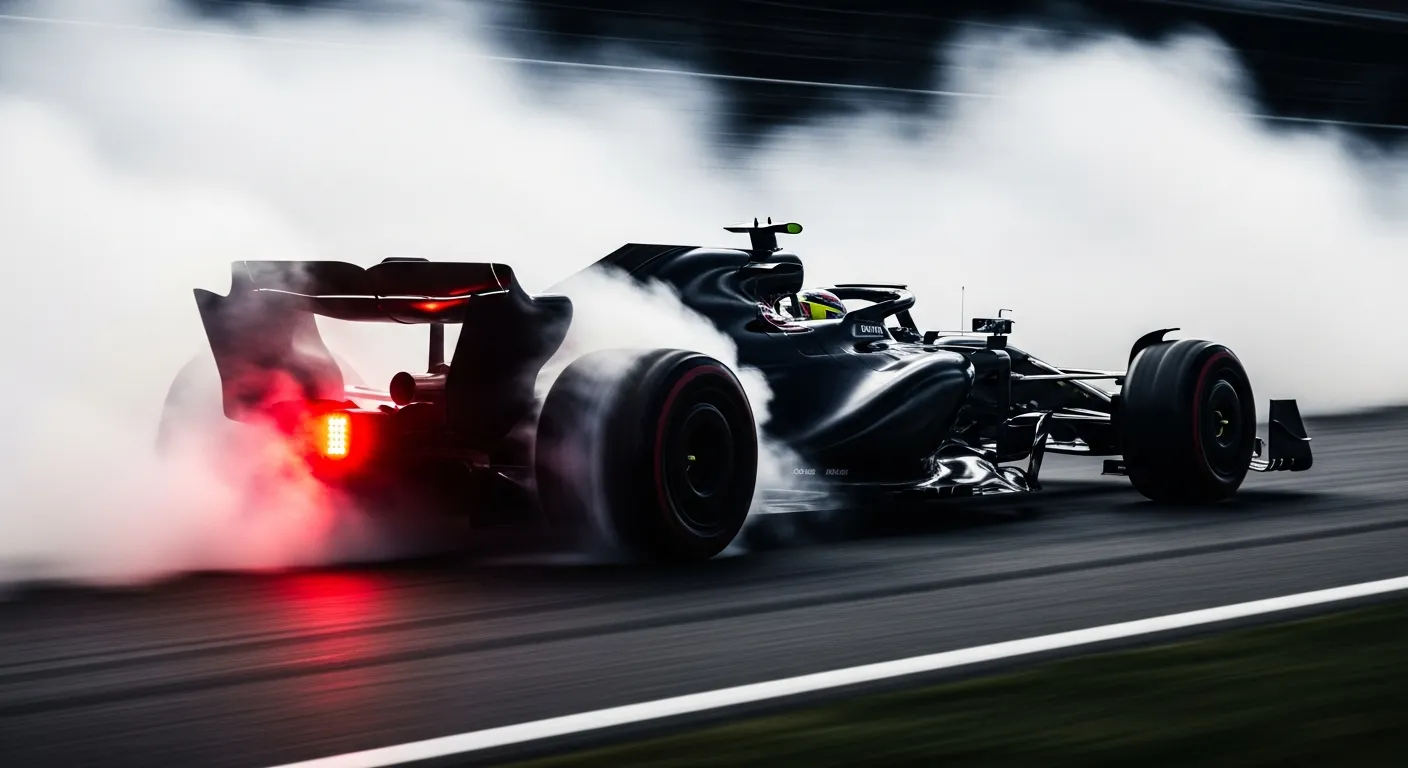
Lando Norris's victory at the 2025 Hungarian Grand Prix was a meticulously executed performance, demonstrating McLaren Racing's strategic prowess and the driver's controlled aggression on the Hungaroring circuit. Starting from third on the grid, Norris quickly established himself among the front-runners. His teammate, Oscar Piastri, starting just ahead in second, also maintained a strong pace, ultimately securing the second position and completing a formidable one-two finish for the British constructor. This pairing showcased McLaren's competitive package, a clear signal of their intent in the 2025 season, as detailed on the [Formula 1 — official site](https://www.formula1.com/en). The race was a demanding 70-lap affair, with Norris completing it in a total time of 1:35:21.231.
Norris's drive was characterized by consistent lap times and intelligent tire management, a critical factor on the notoriously tight Hungarian circuit. While his fastest lap, a 1:19.918 on lap 57, ranked fifth overall, it was his ability to string together competitive stints that truly underpinned his victory. This contrasts with drivers like [Lewis Hamilton at the 2016 São Paulo Grand Prix](/results/2016-interlagos-lewis-hamilton), who often relied on outright pace in challenging conditions. The Hungaroring, with its technical demands, often rewards strategic precision over raw speed, a characteristic that Norris exploited effectively. The race results, meticulously tracked by official bodies like the [FIA — F1 World Championship](https://www.fia.com/events/fia-formula-one-world-championship), confirm the precision of his drive. For a broader understanding of how such races contribute to a season, one might consult resources like [Wikipedia: Formula One](https://en.wikipedia.org/wiki/Formula_One).
The McLaren pit wall played a crucial role, guiding Norris through the various phases of the race. Their strategy allowed him to manage the gap to Piastri and the chasing pack, which included George Russell, who finished third for Mercedes AMG F1. The detailed race telemetry provides a comprehensive view of how each driver managed their race pace and tire degradation, offering insights into the subtle differences that separate a podium finish from a victory. Such performance data is often compiled and analyzed, for instance, in historical records found via [Jolpica/Ergast — 2026 season data](https://api.jolpi.ca/ergast/f1/2026.json). This kind of team-driven success is a hallmark of top-tier racing, where driver skill is amplified by strategic execution. It's a reminder of how drivers like [Fernando Alonso at the 2016 São Paulo Grand Prix](/results/2016-interlagos-fernando-alonso) have, throughout their careers, leveraged team strategy to maximize results even when the car wasn't the absolute fastest. Norris's performance was a testament to his continued development, showcasing a maturity that allowed him to control the race from the front. His consistent performance, even when not setting the absolute fastest lap, mirrors the approach seen from drivers like [Max Verstappen at the 2016 Abu Dhabi Grand Prix](/results/2016-yas-marina-max-verstappen) in championship-deciding moments, prioritizing the win over individual lap records. The strategic elements of grand prix racing are a core component of the sport, influencing everything from tire choices to overtake opportunities, as explained on the [Formula 1 rules and regulations page](https://www.formula1.com/en/latest/article.formula-1-rules-and-regulations.5g2sN6e6w77M6o0g4q4g0.html). Understanding the nuances of these decisions is key to appreciating the full scope of a driver's achievement, as highlighted by expert analysis on the [official F1 news section](https://www.formula1.com/en/latest.html).
Verified race record · Ergast
Grid
P3
Finish
P1
Points
25
Laps
70
Constructor
McLaren Racing
Status
Finished
Teammate that weekend
Oscar Piastri
Grid P2 · Finish P2 · 18 pts
Championship · before vs after
Before round 14
P2250 pts
After round 14
P2275 pts