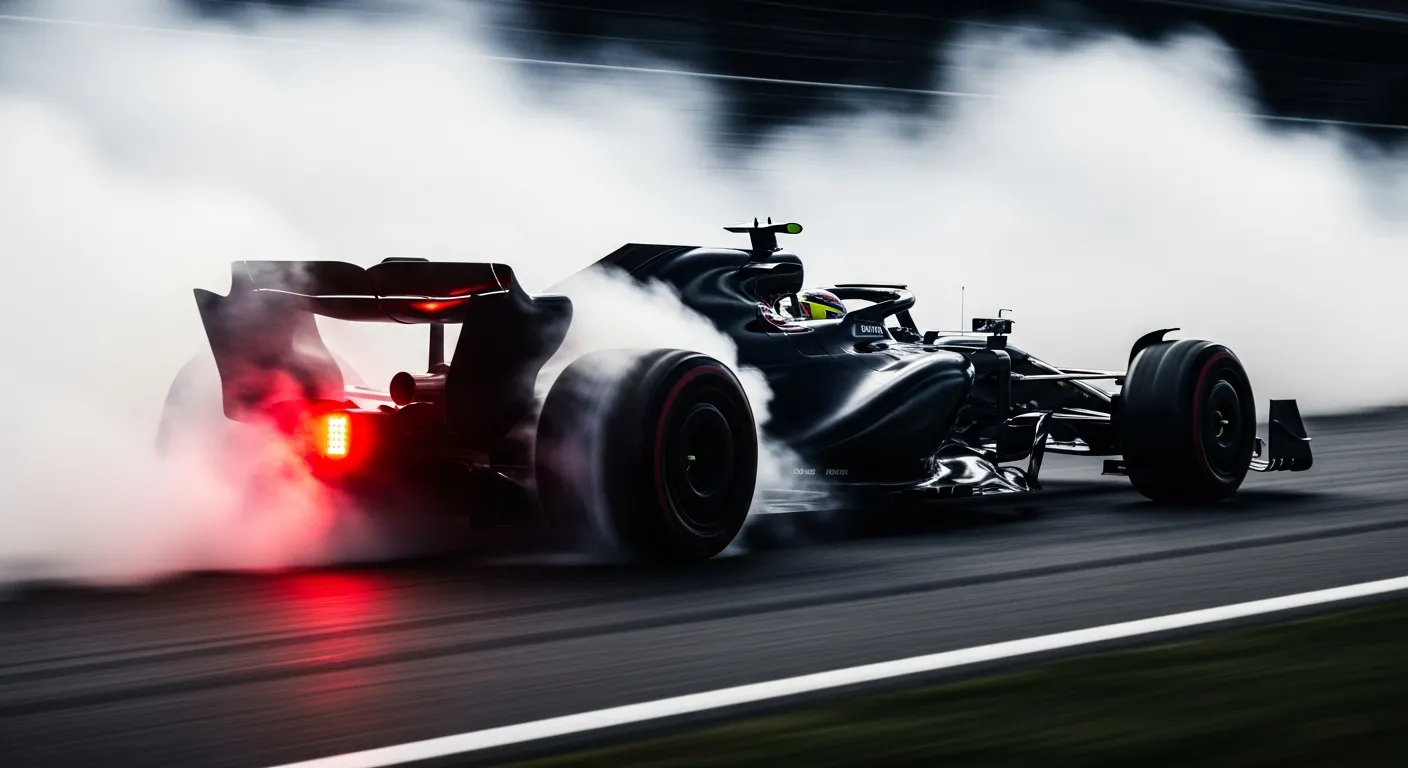
Mercedes-AMG PETRONAS F1 Team's modern history at the British Grand Prix is largely defined by a period of sustained dominance, marked by nine victories and a deep understanding of Silverstone's high-speed demands. While their initial appearance in 1954 yielded a fourth-place finish, it was from 2010 onwards, with their return as a full works team, that their presence became truly significant. The team's era of unparalleled success in the hybrid era saw them become the benchmark at this quintessential British circuit, leveraging their powerful Mercedes engine and aerodynamically sophisticated chassis.
From 2013 to 2021, Mercedes secured an extraordinary run of wins, including a remarkable streak of five consecutive victories from 2013 to 2017. This period showcased the synergy between their car concept and Silverstone's flowing, high-speed layout. The circuit's demands for robust aerodynamic load and a strong power unit aligned perfectly with Mercedes' strengths, allowing their drivers to exploit the car's full potential through iconic sections like Maggotts, Becketts, and Chapel. Their record includes nine wins, fourteen podiums, and three 1-2 finishes from eighteen starts, underscoring a profound connection with this permanent circuit.
Even as the competitive landscape shifted with new technical regulations, Mercedes continued to demonstrate a capacity for strong performances at Silverstone. While the outright dominance of previous years was challenged, the team still managed podium finishes in 2022 and 2023, securing third place in both instances. These results, even without a win in those specific years, highlight the underlying robustness of their package at a track that rewards balanced performance. The data indicates a return to the top step in 2024, further cementing their strong affinity for the British Grand Prix.
Comparing their approach to other teams, one might look at how McLaren at the British Grand Prix has adapted to similar challenges, often emphasizing aerodynamic efficiency. Mercedes' consistent ability to extract performance at Silverstone contrasts with circuits like the Hungaroring, where a different set of characteristics are prioritized, as seen in the analysis of McLaren at the Hungarian Grand Prix. The high-speed nature of Silverstone also draws parallels with tracks like Monza, where engine power is paramount, a factor explored in discussions around McLaren at the Italian Grand Prix. For a comprehensive overview of the sport's regulations and history, the Wikipedia: Formula One page provides extensive context.
Mercedes' consistent presence at the front of the pack at Silverstone, even through varying regulatory cycles, speaks to a deep institutional understanding of the circuit. The team's engineering prowess, coupled with the strength of their Mercedes power unit, has historically allowed them to optimize their package for the unique blend of high-speed corners and straights. This track has often been a barometer for their car's overall performance, and their data can be cross-referenced with official statistics available via the Jolpica/Ergast — 2026 season data for detailed historical context. The British Grand Prix remains a crucial event for the team, often providing a clear indicator of their championship aspirations on the Formula 1 — official site.