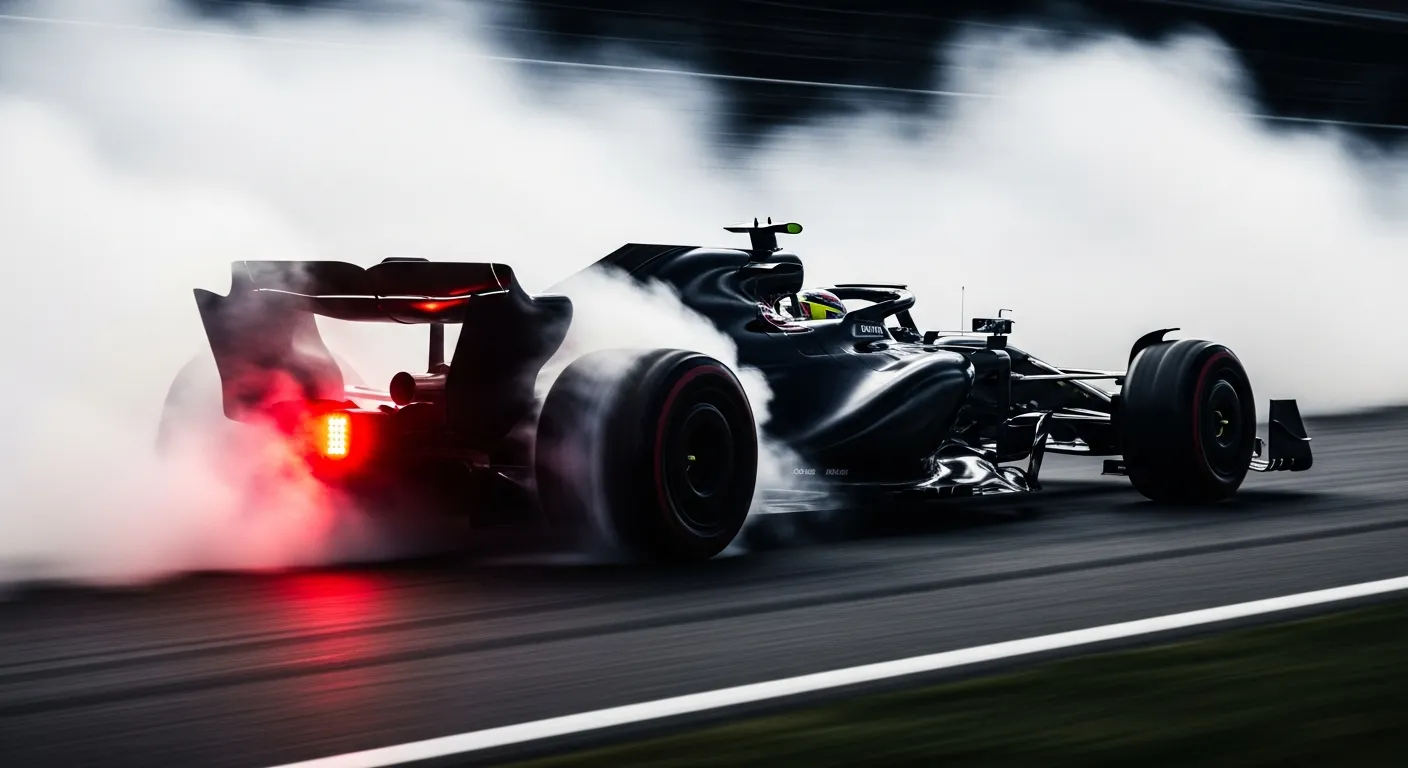
The blue flag in Formula 1 is a critical communication tool, signaling to a driver that they are about to be lapped and must yield the racing line to a faster competitor. This seemingly simple directive is underpinned by strict regulations and plays a vital role in maintaining the flow and fairness of a Grand Prix, especially as cars navigate complex sections of a Permanent Circuit or a tight Chicane.
The Mandate of the Blue Flag
When a driver is shown a blue flag, either physically waved by a marshal at a post or digitally displayed on their steering wheel and trackside panels, it means they are about to be overtaken by a car that is at least one lap ahead. The rules, as detailed in the FIA Formula One regulations, are clear: the lapped driver must allow the faster car to pass "at the first available opportunity." Failure to comply can result in penalties, ranging from a time penalty to a drive-through, as determined by the Race Director and stewards. The intent is to prevent slower cars from unduly influencing the race leaders or those battling for critical championship points.
Strategic Implications and Common Misunderstandings
While the directive is straightforward, its execution can be nuanced. A driver receiving a blue flag must make their intentions clear and predictable, often lifting off the throttle slightly or moving off the racing line to create space. This isn't about giving up a position; it's about facilitating the passage of a car on a different lap. A common misunderstanding among new viewers is that a blue flag means a slower car must immediately pull over, but the "first available opportunity" clause allows for a safe and sensible maneuver, often after a corner or on a straighter section of track. The communication between a driver and their Race Engineer often involves discussing the best place to yield, especially when tire degradation, influenced by factors like those discussed by Pirelli — tire compound + regulation context, might make sudden changes in direction risky.
Consider the 2021 Dutch Grand Prix, where Max Verstappen, battling Lewis Hamilton for the lead, encountered several backmarkers. The effective management of blue flags by these lapped drivers was crucial in allowing the leaders to maintain their pace and strategy. Conversely, incidents where drivers have been perceived to ignore blue flags, such as Sergio Pérez at the 2022 Japanese Grand Prix, have led to penalties and sparked debate about the precise interpretation of "first available opportunity." These moments highlight the fine line between defending one's own race and respecting the blue flag mandate. For a broader understanding of how these signals fit into motorsport, the blue flag — Wikipedia glossary entry provides additional context. The system ensures that the frontrunners' battles are decided by their own performance and strategy, not by the impedance of slower traffic.
Common questions
- What happens if a driver ignores a blue flag?
- Ignoring a blue flag can lead to penalties, typically a time penalty or a drive-through. Stewards assess the situation, considering how long the driver impeded the faster car and the impact on the race.
- Does a blue flag mean a driver has to stop?
- No, a blue flag does not mean a driver has to stop. It requires them to safely allow the faster, lapping car to pass at the first available opportunity, usually by moving off the racing line.