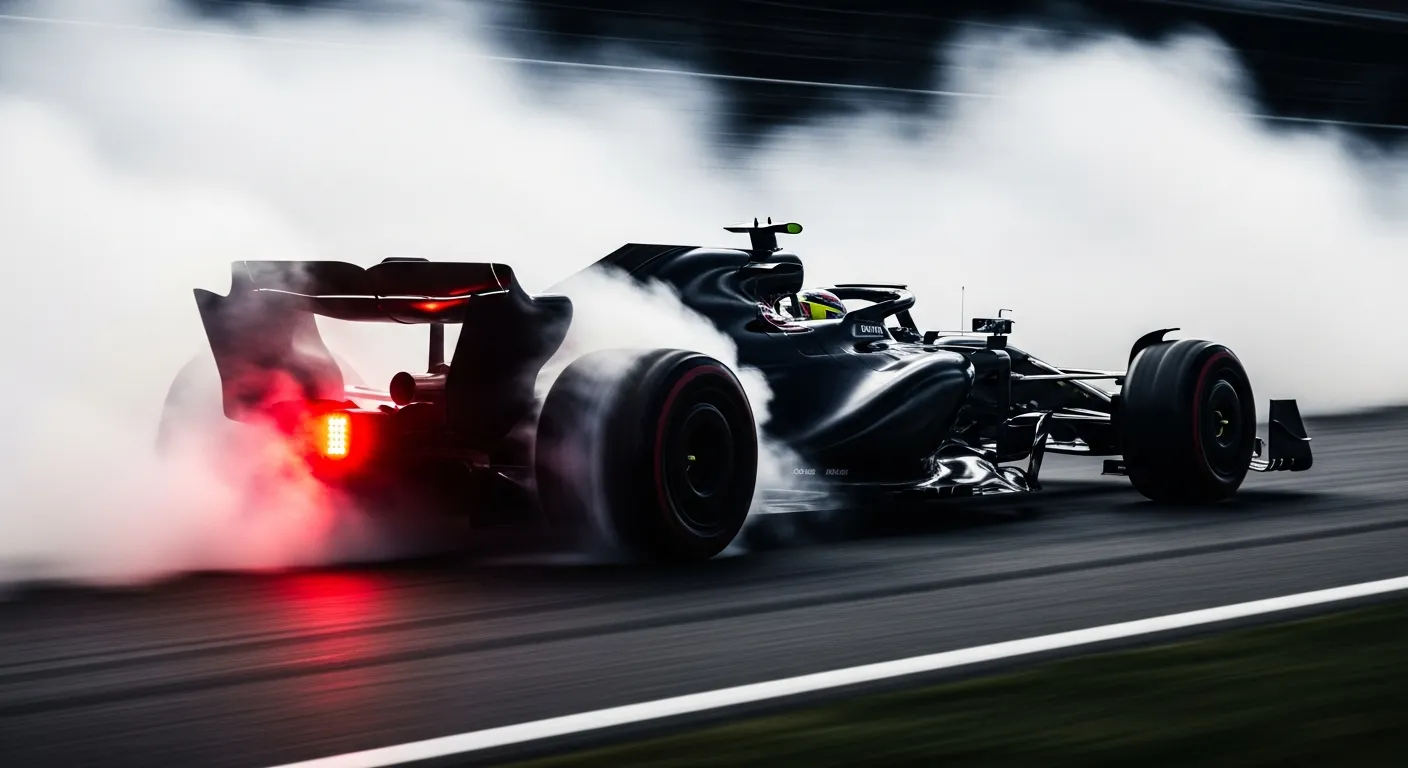
Pole position is the coveted first starting spot on the grid, earned by the fastest qualifier, offering a significant strategic advantage in a Formula 1 Grand Prix.
Earning the Front Row Advantage
The term "pole position" originates from horse racing, where the best horse started on the inside of the track, closest to the pole. In Formula 1, it's the prime spot at the very front of the starting grid. Drivers earn this position during the qualifying session, typically held on Saturday before the main race. The qualifying format consists of three segments: Q1, Q2, and Q3. In Q3, the fastest ten drivers compete to set the quickest lap time. The driver who achieves the fastest lap in Q3 is awarded pole position for Sunday's Grand Prix. This process is governed by the detailed sporting regulations set forth by the FIA Formula One regulations, which dictate everything from car specifications to race procedures.
Strategic Importance on Race Day
Starting from pole offers several critical advantages. Foremost among them is the benefit of "clean air," meaning the driver isn't running in the turbulent wake of another car. This allows for optimal aerodynamic performance and better tire management, crucial aspects given the sensitive nature of Pirelli — tire compound + regulation context. It also significantly reduces the risk of being caught in first-lap incidents, which are common further back in the pack. On circuits where overtaking is notoriously difficult, such as a tight Street Circuit like Monaco or Singapore, converting pole position into a race win is often a straightforward affair, assuming no major errors or reliability issues. Even on more flowing Permanent Circuits, maintaining track position from the start is a massive benefit.
Pole Position in Practice
The value of pole position has been vividly demonstrated by drivers like Max Verstappen in recent seasons. His dominant performances often begin from the front row, allowing him to control the race pace from the outset and build a comfortable lead. For instance, in the 2023 season, Verstappen secured 12 pole positions and converted many of them into victories, showcasing the direct correlation between starting position and race outcome when combined with a strong car and driver. However, securing pole doesn't guarantee victory. Grid penalties, often incurred for power unit component changes or driving infringements, can demote a pole-sitter down the grid. Additionally, a poor start can see a driver lose their advantage almost immediately. The initial run to the first corner, often a chaotic ballet of braking and positioning, is where the pole-sitter must capitalize on their advantage. For a comprehensive understanding of the term and its historical context, the pole position — Wikipedia glossary entry provides further detail. While a driver might start from pole, they still need to navigate the complexities of the race, including strategic Pit Stops and managing their tires and fuel.
Common questions
- Does pole position guarantee a win?
- No. While pole offers a significant advantage, factors like race strategy, tire management, driver performance, and potential penalties can all influence the final outcome. A poor start or an unexpected safety car can also negate the initial benefit.
- How is pole position determined?
- Pole position is awarded to the driver who sets the fastest lap time during the third and final qualifying session (Q3), typically held on Saturday before the Grand Prix.