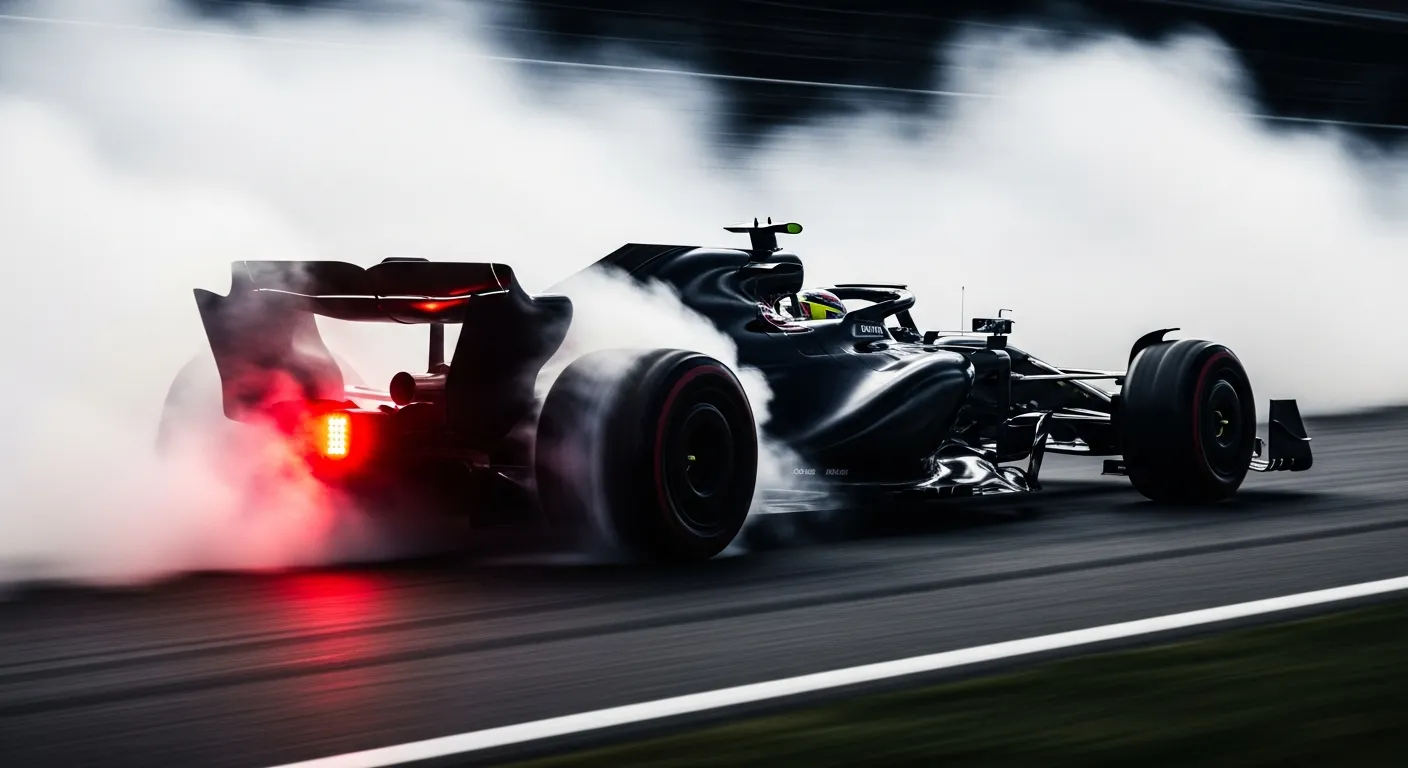
The Pursuit of Pace
The 'Fastest Lap' in Formula 1 refers to the quickest single lap time recorded by any driver during a Grand Prix, a feat that can earn an additional championship point under specific conditions. This singular achievement is a testament to raw pace and strategic execution, often becoming a subplot within the main race narrative. The concept itself is straightforward: the driver who completes any one lap of the circuit in the least amount of time, from start to finish line, holds the fastest lap of that particular race. This record is constantly updated throughout the Grand Prix, with the final holder determined only after the checkered flag.
Strategic Significance and the Championship Point
While historically a point of pride, the Fastest Lap gained tangible championship significance starting in the 2019 season. Under the current FIA Formula One regulations, an additional point is awarded to the driver who sets the fastest lap, provided they also finish within the top ten positions in the race. This rule adds a fascinating layer of strategy, often prompting teams to consider a late-race pit stop for fresh, softer Pirelli — tire compound + regulation context tires to make a dedicated attempt.
This strategic play can be crucial, particularly in tight championship battles. For instance, in the 2021 season, the battle between Max Verstappen and Lewis Hamilton saw both drivers and their teams frequently targeting the Fastest Lap point, understanding that even a single point could prove decisive. A driver might be leading comfortably, but a rival further down the order could pit and snatch the point, illustrating the constant calculation required. Conversely, a driver already out of the points, perhaps due to an earlier incident or a Time Penalty, might still set the fastest lap but would not be eligible for the extra point.
Common Misconceptions and Race Day Dynamics
A frequent point of confusion for viewers revolves around the condition for earning the point: the driver must finish in the top ten. If a driver sets the fastest lap but retires from the race, or finishes 11th or lower, the point is simply not awarded to anyone. This ensures the incentive remains tied to overall race performance and not just a one-off burst of speed.
The pursuit of the Fastest Lap can also influence race dynamics in unexpected ways. Drivers pushing the absolute limit might find themselves flirting with Track Limits, risking the invalidation of their lap time if they exceed them. Furthermore, the strategic decision to go for the fastest lap is typically reserved for the main Grand Prix, as the additional point rule does not apply to the shorter Sprint Race format. Understanding the Fastest Lap's role provides a deeper appreciation for the intricate strategic chess match that unfolds on track, as detailed further in the fastest lap — Wikipedia glossary entry.
Common questions
- Does every fastest lap earn a point?
- No, a driver only earns an extra championship point for setting the fastest lap if they also finish the Grand Prix within the top ten positions. If they finish 11th or lower, or retire, no point is awarded.
- Can a driver get fastest lap and not finish the race?
- Yes, a driver can record the fastest lap even if they don't finish the race. However, they will not be awarded the additional championship point for it unless they also finish in the top ten.
- Why do teams use soft tires for fastest lap attempts?
- Softer tire compounds, as supplied by [Pirelli — tire compound + regulation context](https://www.pirelli.com/global/en-ww/motorsport/f1), offer maximum grip and performance over a single lap. This makes them ideal for a late-race push to set the fastest lap, despite their faster degradation over a full stint.