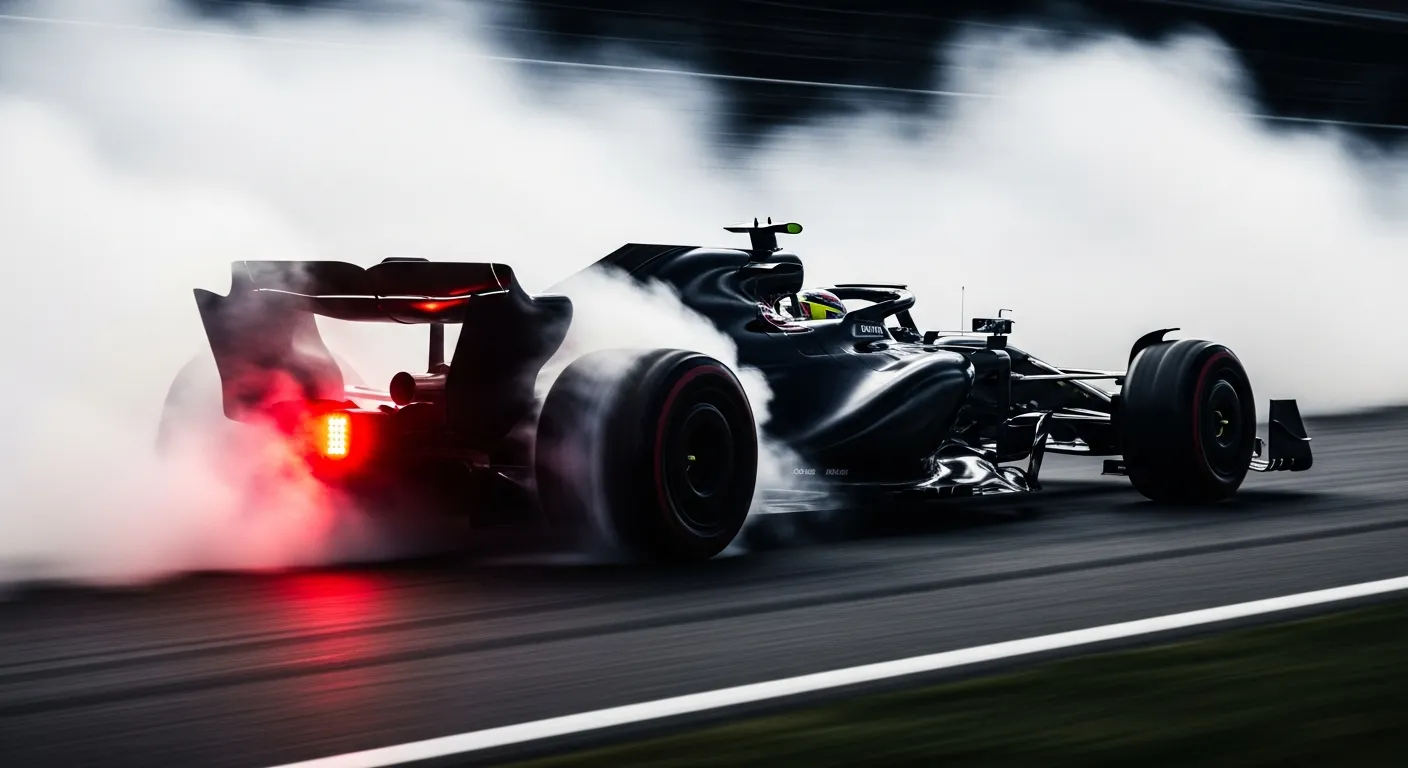
Penalty points in Formula 1 are a disciplinary measure designed to deter repeated dangerous driving or serious breaches of sporting regulations, with accumulation potentially leading to a race suspension. This system, overseen by the FIA, acts as a rolling tally of a driver's infractions over a 12-month period, distinct from immediate race penalties like time additions or grid drops.
At its core, the penalty points system is straightforward: for certain on-track incidents or breaches of the sporting regulations, the Stewards — the independent judicial body at each Grand Prix — can assign points to a driver's Super Licence. The severity of the infraction dictates the number of points, typically ranging from one to three. These points remain on a driver's record for exactly 12 months from the date of the offence. If a driver accumulates 12 penalty points within this rolling 12-month window, they are handed an automatic one-race ban. This means they cannot participate in the next scheduled Grand Prix, a significant consequence in a championship battle.
The system gained prominence particularly after its introduction in 2014, aiming to promote safer and fairer racing by holding drivers accountable for persistent poor conduct. Historically, drivers like Max Verstappen and Pierre Gasly have come close to the 12-point threshold, creating palpable tension as each subsequent incident could trigger a ban. For instance, an unsafe release from a pit stop, causing a collision, or ignoring blue flags can all lead to penalty points. The specific regulations governing these penalties are detailed within the FIA Formula One regulations, which outline the framework for all sporting conduct.
A common point of confusion for viewers is the distinction between penalty points and other forms of punishment. A driver might receive a five-second time penalty for an infringement during a race, which affects their immediate race result, but this doesn't automatically translate into penalty points. Penalty points are reserved for incidents deemed to reflect a pattern of dangerous driving or a more serious breach of conduct that warrants a long-term deterrent. The goal is not just to punish an isolated incident, but to modify driver behavior over time, ensuring the integrity and safety of the sport. Understanding this system is crucial for appreciating the long-term strategic implications for drivers, especially when they are nearing the 12-point limit, forcing them to drive with extra caution under the watchful eye of the Race Director and stewards. For further context on how these disciplinary actions fit into the broader motorsport lexicon, the penalty points — Wikipedia glossary entry provides a comprehensive overview. The dynamic nature of F1, from the intense competition to the demands placed on equipment like those provided by Pirelli — tire compound + regulation context, means incidents are inevitable, making the consistent application of these rules vital.
Common questions
- How many penalty points lead to a race ban?
- A driver accumulates penalty points over a 12-month rolling period. Reaching 12 points within this timeframe triggers an automatic one-race ban for the next Grand Prix.
- Do penalty points expire?
- Yes, penalty points expire exactly 12 months after they were issued. They are removed from a driver's Super Licence record on the anniversary of the infraction.
- Who issues penalty points?
- Penalty points are issued by the Stewards, the independent judicial panel at each Formula 1 Grand Prix, after reviewing incidents and determining a breach of sporting regulations.