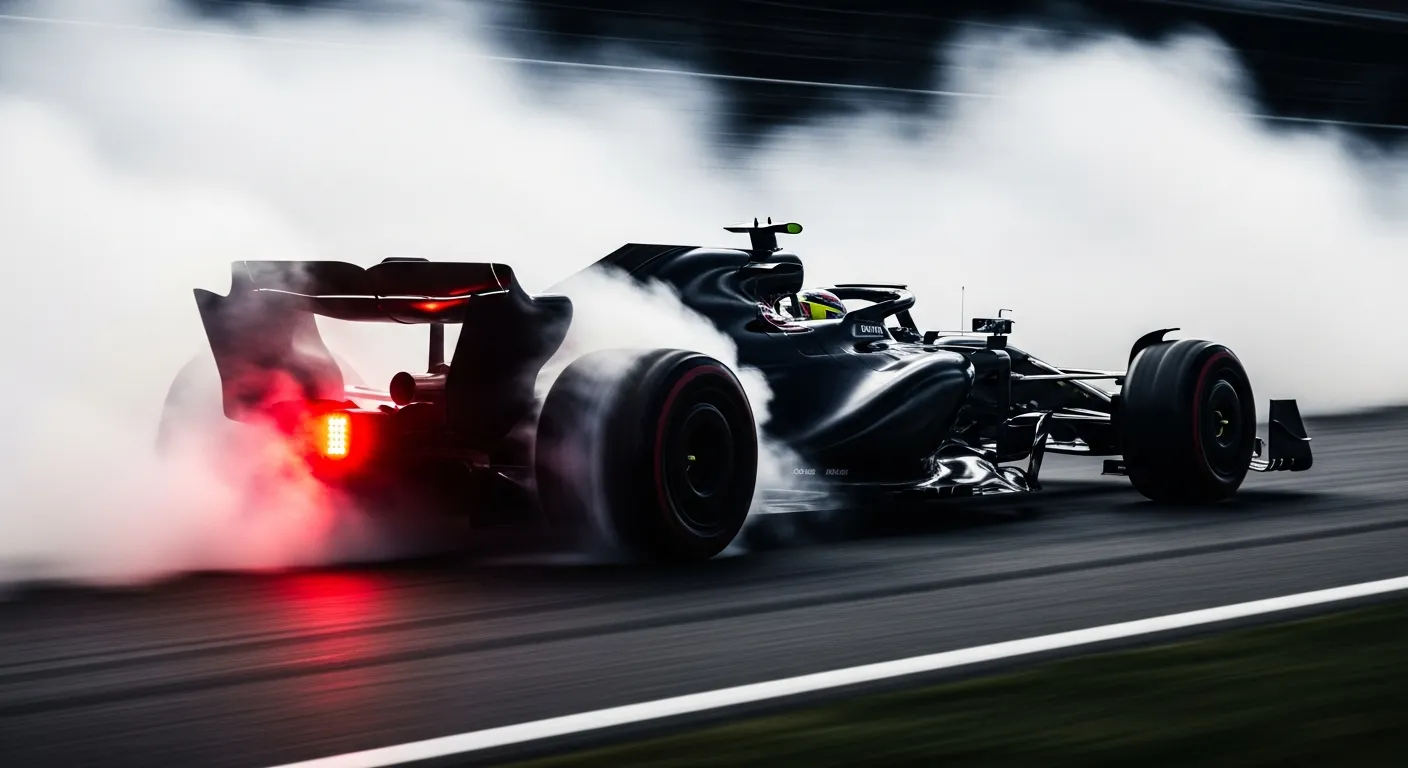
The Stewards in Formula 1 are the ultimate judicial authority at a Grand Prix, responsible for interpreting and enforcing the extensive FIA Formula One regulations to ensure fair play and safety on track. This independent panel, typically comprising three FIA-appointed officials and one national sporting authority representative, acts as the judiciary during a race weekend. Their role is distinct from Race Control, which manages the immediate running of the event, such as deploying a Red Flag or a Safety Car. Stewards investigate potential infringements, hear evidence from teams and drivers, and ultimately decide if a rule has been broken, and if so, what penalty should be applied. Their decisions are final and binding for the event, though in rare cases, teams can petition for a Right of Review if significant new evidence emerges.
When and Why Steward Decisions Matter
Steward decisions can profoundly influence the outcome of a race, affecting everything from championship battles to individual driver standings. Their authority spans the entire event, from practice sessions to the checkered flag. Common scenarios requiring their intervention include collisions, dangerous driving, exceeding track limits, unsafe pit releases, or technical infringements. For instance, a driver might receive a Grid Penalty for impeding another during qualifying, impacting their starting position, or accrue Penalty Points on their super license for repeated minor infractions, potentially leading to a race ban if a threshold is met. These decisions are critical for maintaining the sporting integrity of Formula 1, ensuring that drivers adhere to the rules designed for competitive balance and safety. The full scope of their responsibilities and the processes they follow are detailed in the stewards — Wikipedia glossary entry. A notable example from recent seasons involved multiple incidents at the 2021 Saudi Arabian Grand Prix, where various driving standards were scrutinized and penalized, directly impacting the championship narrative.
Navigating Complexity and Viewer Perspective
For fans, steward decisions can sometimes appear inconsistent or controversial, leading to frustration and intense debate. This perception often stems from the nuanced nature of racing incidents, where context, intent, and specific angles of footage play a crucial role. What looks like a clear-cut incident to a viewer might have mitigating circumstances or be subject to a specific interpretation of the regulations by the stewards. For example, a driver might be judged to have gained a lasting advantage by running wide at a specific corner, while another might be deemed to have done so unintentionally without benefit, leading to different outcomes. The constant evolution of car performance, such as the impact of different Pirelli — tire compound + regulation context choices on car handling, also adds layers of complexity to assessing driver actions. Understanding that stewards operate under immense pressure, with limited time and a vast rulebook, helps contextualize their challenging role in the sport, aiming for consistent application of rules despite the inherent variability of on-track action.
Common questions
- Who are the F1 Stewards?
- Stewards are independent officials appointed by the FIA, typically a panel of four, including a former driver, responsible for upholding the rules and judging incidents during a Grand Prix weekend.
- What kind of penalties can Stewards issue?
- Stewards can issue various penalties, including time penalties (5s, 10s), drive-throughs, stop-and-gos, [Grid Penalties](/glossary/grid-penalty), financial fines, [Penalty Points](/glossary/penalty-points) on a driver's super license, or even disqualification, depending on the infringement's severity.