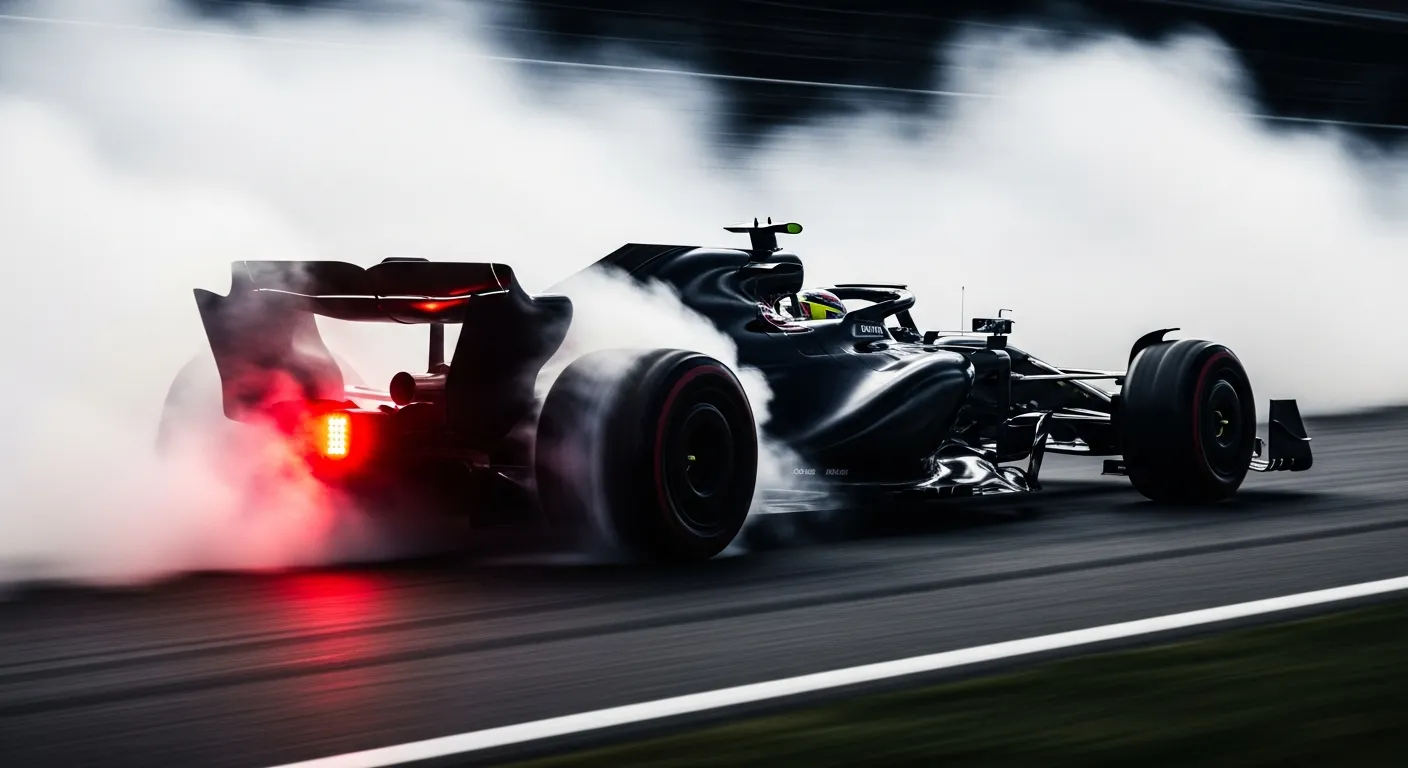
A time penalty is a disciplinary measure in Formula 1, imposed by the stewards for various infringements during a Grand Prix weekend, directly impacting a driver's final race classification or requiring an immediate in-race consequence. Unlike a grid penalty, which affects starting position, a time penalty is typically applied during or immediately after a race session, adding seconds to a driver’s elapsed time or mandating a specific action in the pit lane. This system is crucial for maintaining fairness and adherence to the sporting and technical regulations that govern the sport, as outlined by the FIA Formula One regulations.
Types of Time Penalties
The most common forms of time penalties are 5-second and 10-second additions to a driver's total race time. These are often applied for less severe infractions such as exceeding track limits multiple times, minor contact causing no significant damage, or an unsafe release from a pit stop. If a driver incurs such a penalty but makes a pit stop during the race, the penalty can sometimes be served during that stop, requiring the car to remain stationary for the additional seconds before tire changes can begin. However, if no further pit stop is made, or if the penalty is issued late in the race, the seconds are simply added to the driver's finishing time, potentially altering their final position.
More severe infringements can result in a "drive-through" penalty, where a driver must enter the pit lane at speed and drive straight through without stopping, or a "stop-and-go" penalty, which requires the driver to stop in their pit box for a specified duration (e.g., 10 seconds) before rejoining the race. These in-race penalties are significantly more impactful, often costing a driver 20-30 seconds or more, depending on the circuit and pit lane configuration, and can severely compromise their race result. For a broader understanding of motorsport penalties, the time penalty — Wikipedia glossary entry offers additional context.
Impact and Common Infringements
Time penalties frequently play a decisive role in the outcome of a Grand Prix, especially when battles for positions are tight. A driver might cross the finish line in one position, only to drop down the order once a post-race time penalty is applied. Recent seasons have seen numerous examples; for instance, a driver might gain an advantage by consistently running wide at a specific corner, leading to a track limits penalty. Other common scenarios include causing a collision, speeding in the pit lane, or even technical infringements related to components like the Power Unit if found non-compliant after a session, though these often lead to disqualification rather than just a time penalty.
The application of penalties can sometimes be a source of debate among fans and teams. Stewards review incidents using various data points, including telemetry, onboard cameras, and trackside footage. The complexity of modern F1 cars, with advanced aerodynamics like Ground Effect allowing drivers to push limits, means incidents are often nuanced. The stewards' decisions are based on the comprehensive FIA Sporting Regulations and precedents, aiming for consistent application. Understanding the nuances of these penalties is key to appreciating the strategic depth and high-stakes nature of Formula 1 racing, where even a fraction of a second can separate triumph from disappointment. Drivers are constantly pushing the limits, sometimes leading to issues like Porpoising or other car handling challenges that can contribute to minor errors resulting in penalties.
Common questions
- How is a time penalty served?
- It can be added to a driver's race time post-race, served during a pit stop by holding the car for extra seconds, or as a drive-through or stop-and-go penalty during the race.
- What are common reasons for a time penalty?
- Common reasons include exceeding track limits, causing a collision, unsafe pit releases, speeding in the pit lane, or minor technical infringements.