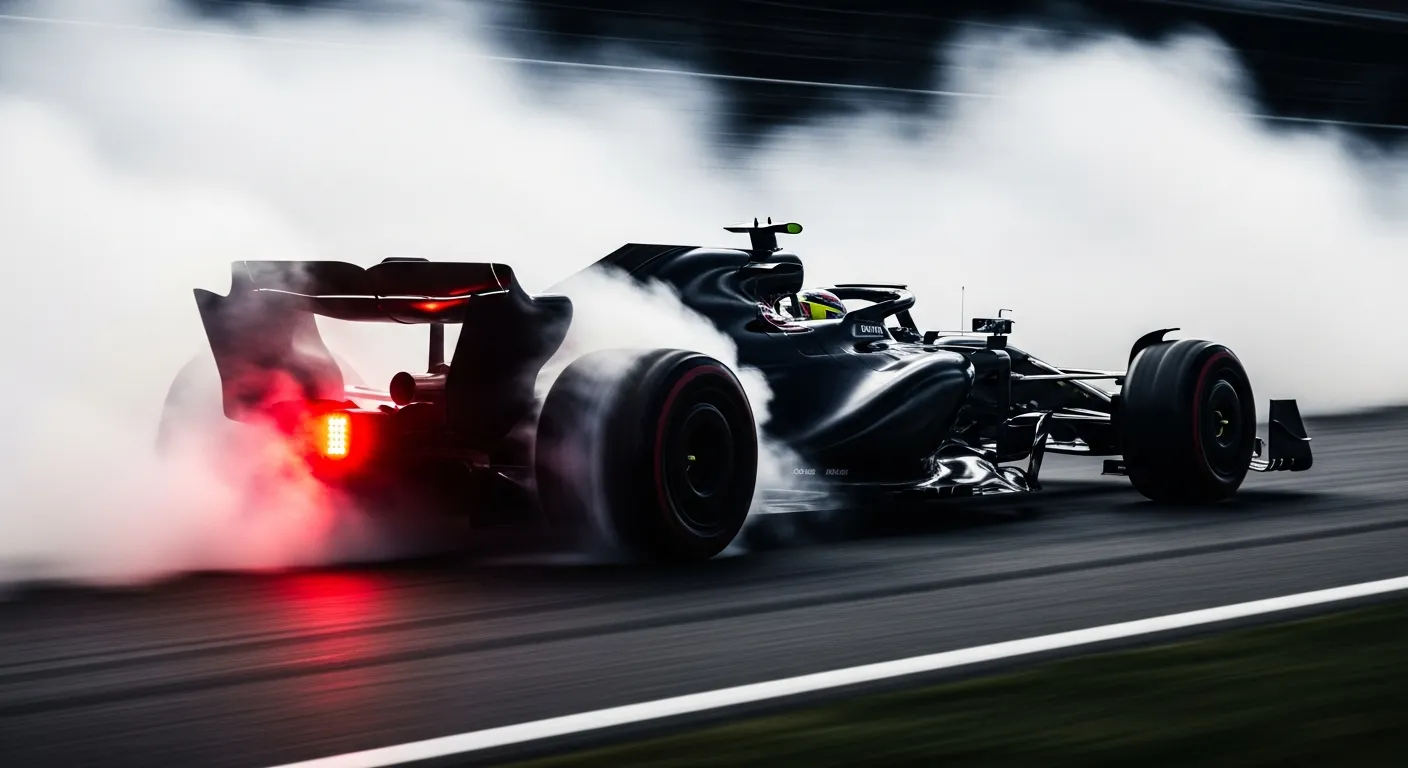
A permanent circuit is a motorsport venue specifically designed and constructed for racing, featuring dedicated infrastructure that remains in place year-round, unlike temporary street circuits or converted airfields. These facilities are purpose-built from the ground up, incorporating essential elements such as pit garages, grandstands, medical centers, and extensive safety barriers and run-off areas, all engineered to meet the stringent safety standards outlined in the FIA Formula One regulations. Their enduring nature is a defining characteristic, providing a consistent environment for competition and development, allowing for continuous refinement of racing lines and engineering approaches over decades.
The Enduring Impact on Racing Dynamics
The inherent permanence of these circuits significantly influences race strategy and car performance. Unlike the often-bumpy and unpredictable surfaces of street circuits, permanent tracks typically offer a more consistent, purpose-laid asphalt. This consistency allows teams to gather extensive data over many years, refining car setups and understanding tire degradation patterns with greater precision. Engineers can predict how various Pirelli tire compounds – from the durable Hard Tires to the more aggressive Medium Tires – will behave, optimizing strategies for stints and pit stops. The consistent nature of the track surface also reduces the likelihood of unexpected issues like significant graining or blistering due to surface irregularities, though these can still occur under specific conditions, particularly with changes in ambient temperature or aggressive driving styles. Weather, of course, remains an equalizer, often necessitating a switch to Intermediate Tires or even full wet compounds when conditions turn wet.
Iconic Examples and Viewer Understanding
Formula 1 boasts a rich calendar populated by many iconic permanent circuits. Tracks like Silverstone in the United Kingdom, renowned for its high-speed corners like Copse and Maggotts-Becketts, or the legendary Spa-Francorchamps in Belgium, with its dramatic elevation changes and the formidable Eau Rouge, exemplify the challenge and character of purpose-built venues. Monza, the "Temple of Speed," with its long straights and chicanes, is another prime example, demanding a unique low-downforce setup to maximize top speed. These circuits are often steeped in history, having hosted Grand Prix races for decades, contributing to their legendary status and providing a familiar backdrop for generations of fans.
A common point of confusion for viewers might be distinguishing between a permanent circuit and simply a "traditional" one. While many traditional circuits are permanent, the key differentiator lies in the infrastructure's dedicated and year-round nature, as detailed in the permanent circuit — Wikipedia glossary entry. Even if a permanent circuit undergoes significant redesigns, like the various layouts of Hockenheim or Yas Marina, its core identity as a purpose-built racing facility endures, offering a stark contrast to the temporary nature of venues like the Baku City Circuit or the Las Vegas Strip Circuit. The predictable yet challenging environment of permanent circuits continues to be the bedrock of Formula 1 racing, providing a consistent benchmark for driver skill and engineering prowess.
Common questions
- How do permanent circuits differ from street circuits?
- Permanent circuits are purpose-built with dedicated, year-round infrastructure for racing, including extensive safety features. Street circuits are temporary, using public roads and requiring temporary setup and dismantling of barriers and facilities for each event.
- Are all historic F1 tracks permanent circuits?
- Most historic F1 tracks are permanent circuits, like Monza or Silverstone, due to their long-standing, dedicated facilities. However, some historic events, like the Monaco Grand Prix, famously take place on temporary street circuits.