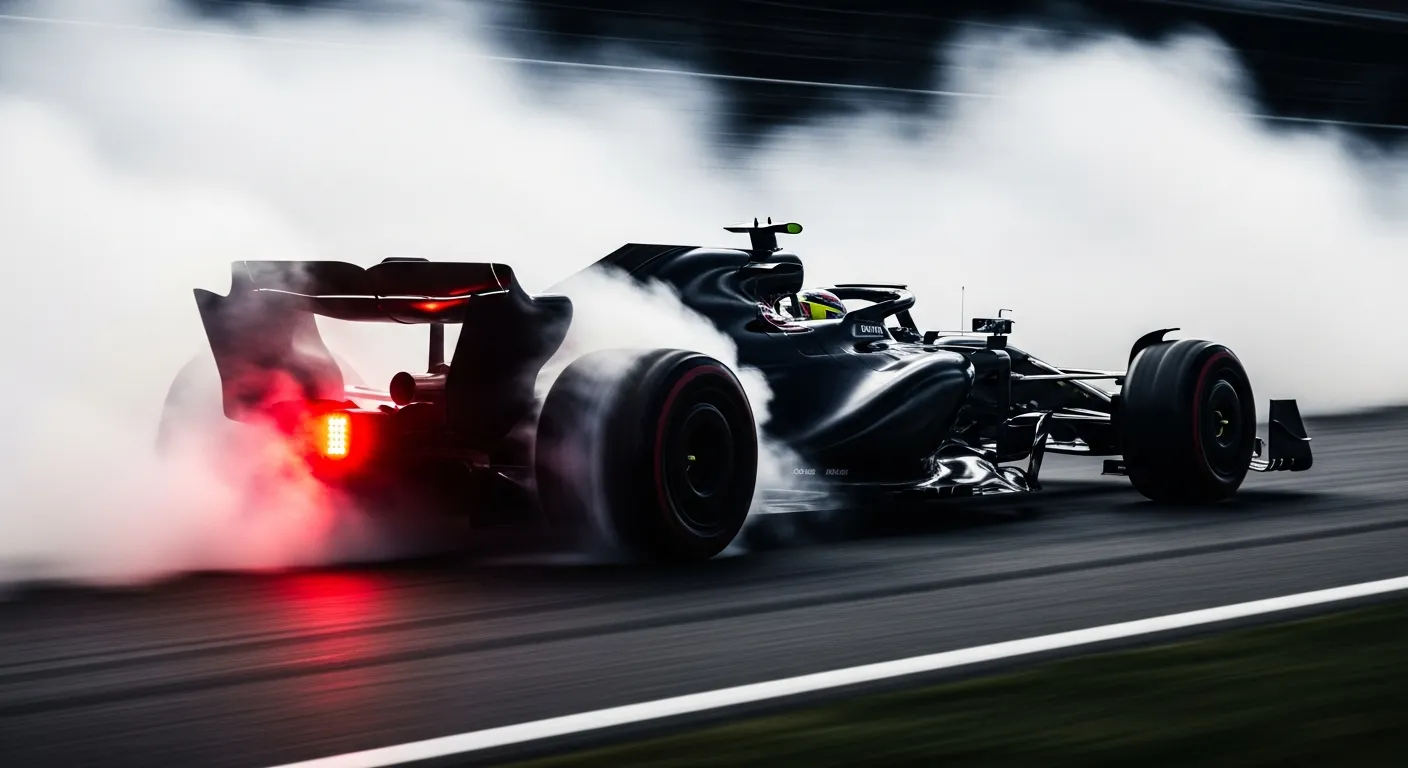
A street circuit transforms public roads into a temporary arena for Formula 1 racing, presenting a distinctly different challenge compared to purpose-built tracks. These urban layouts are characterized by their unforgiving nature, with concrete barriers often lining the track edge, leaving little room for error. Unlike permanent circuits designed with generous runoff areas, street circuits demand absolute precision from drivers and engineers alike, pushing the boundaries of car control and strategic thinking to their very limits.
The Unique Demands of Urban Racing
The temporary nature of a street circuit means the track surface is rarely as smooth or consistent as a dedicated racing facility. Manhole covers, painted lines, and varying asphalt textures can all impact grip and balance, making car setup a delicate balancing act. Teams typically opt for higher downforce configurations to maximize grip through the numerous tight corners, often at the expense of top-end speed on the straights. This setup helps drivers navigate the demanding sequences of turns, where even a slight misjudgment can lead to immediate contact with the wall, often resulting in a safety car period. The FIA's Formula One regulations detail the stringent safety standards and operational procedures that must be met for any circuit, especially temporary ones, ensuring driver and spectator safety in these challenging environments. The suspension systems are also tuned to be softer than usual to cope with bumps and kerbs, which are often more pronounced than on purpose-built tracks.
Tire management becomes a critical factor on street circuits. The stop-and-go nature, combined with high downforce and often abrasive surfaces, puts immense stress on the Pirelli — tire compound + regulation context compounds. Drivers must carefully manage degradation throughout a stint, as a Flat Spot from locking up a wheel can severely compromise performance and necessitate an unscheduled Pit Stop. The narrow confines also make overtaking notoriously difficult, shifting the emphasis heavily towards qualifying performance and strategic calls during the race, as track position is king.
Iconic Examples and Common Challenges
From the legendary twists of Monaco, where the cars literally brush the Armco, to the high-speed walls of Baku and the dazzling night race in Singapore, street circuits have provided some of F1's most memorable and dramatic moments. The Las Vegas Grand Prix, a recent addition to the calendar, also exemplifies the blend of high-speed sections and tight corners characteristic of these urban tracks, set against an iconic cityscape. Each circuit presents its own unique personality, but the common thread is the relentless pressure on drivers, who must maintain focus for every single lap. A small mistake during the Formation Lap or at the Standing Start can have outsized consequences due to the lack of escape routes and the immediate proximity of barriers.
For viewers, the tight racing and proximity to the action can be thrilling, but it also leads to common confusion regarding race dynamics. Why are overtakes so rare at Monaco? Why do safety cars appear so frequently, often bunching up the field? The answer lies in the inherent design of these tracks, as explained in the street circuit — Wikipedia glossary entry. The narrow width and unforgiving barriers mean that even minor incidents can block the track, necessitating intervention. This makes strategy, particularly the timing of a Pit Stop under a Safety Car or Virtual Safety Car, absolutely crucial for gaining or defending track position. The raw challenge, high stakes, and unique atmosphere of street circuits ensure they remain a captivating, albeit demanding, fixture on the Formula 1 calendar.
Common questions
- Why are street circuits considered so difficult?
- Their temporary nature means less consistent surfaces and unforgiving barriers, leaving no room for error. The tight layouts demand extreme precision and high downforce car setups, making every lap a high-stakes challenge.
- Are street circuits safer or more dangerous than permanent tracks?
- While modern safety measures are stringent, the close proximity of barriers and lack of runoff areas inherently increase the risk of significant incidents compared to purpose-built tracks with larger safety zones. Mistakes are less forgiving.
- Why are there so many safety cars on street circuits?
- The narrow tracks and close walls mean even minor incidents can block the circuit, requiring a safety car to allow marshals to clear debris or recover cars safely. This is a common feature of urban racing.