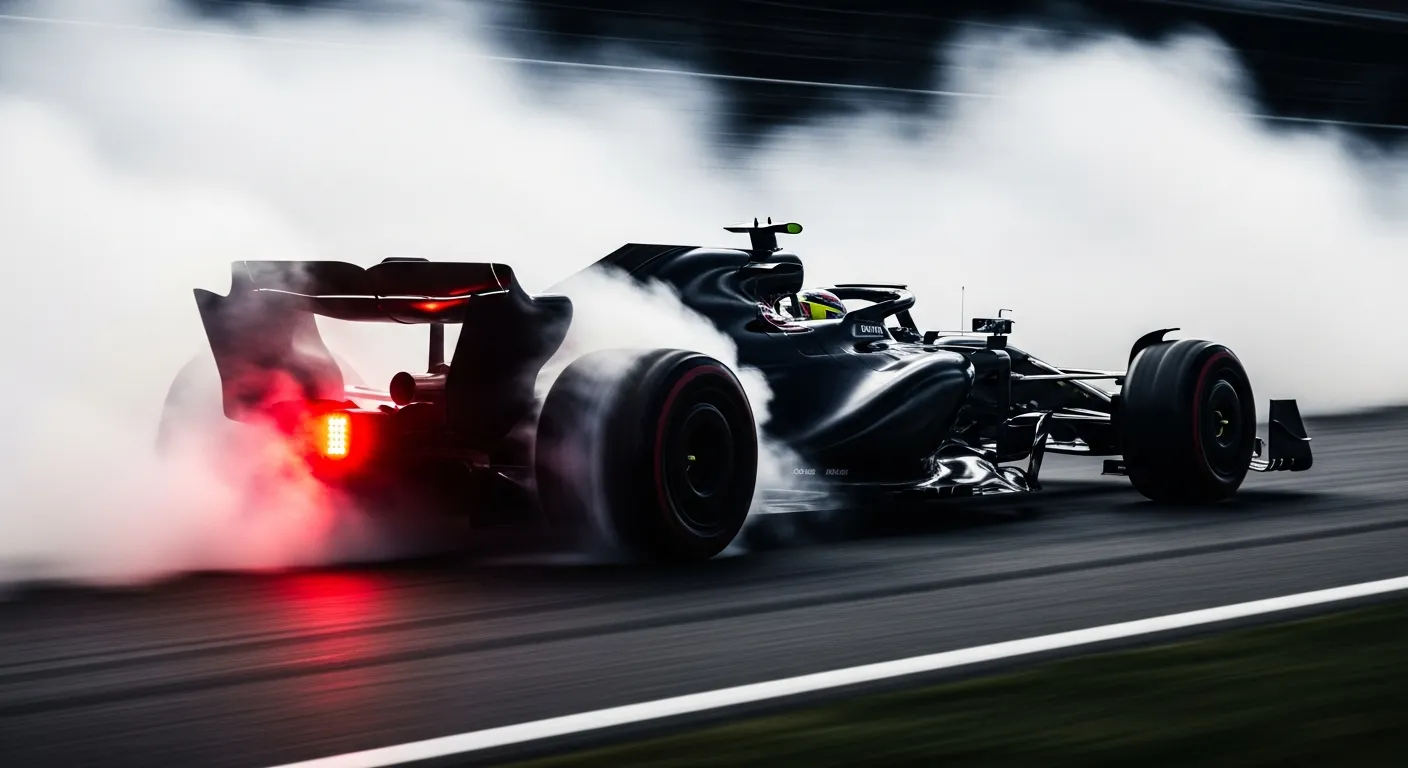
The pit wall is the strategic command post for a Formula 1 team, a physical and metaphorical hub where real-time data analysis meets high-stakes decision-making throughout a Grand Prix weekend. Positioned directly opposite the pit lane, this elevated structure serves as the primary vantage point for a team's most senior personnel, offering an unobstructed view of the track and the crucial pit stop action. It's far more than just a viewing platform; it's a dynamic operations center.
The Nerve Center of Race Strategy
From the pit wall, the team principal, chief strategist, and lead race engineers for each car meticulously monitor every aspect of the race. They are surrounded by an array of screens displaying live telemetry, GPS tracking, tire degradation rates, weather forecasts, and competitor data. This constant influx of information is the lifeblood of their decision-making process. The goal is to optimize every variable, from fuel consumption to tire wear, all while reacting instantly to the unpredictable nature of a Grand Prix. The very definition of the term can be found in the pit wall — Wikipedia glossary entry, highlighting its central role.
Crucial moments on the pit wall often involve split-second calls on pit stop timing, tire compound selection, and strategy adjustments. For instance, deciding to 'undercut' a rival by pitting a lap earlier, or reacting to a sudden safety car deployment, can entirely reshape the race outcome. Teams must also ensure their strategies comply with the extensive FIA Formula One regulations, which govern everything from car design to race procedures. The choice of Pirelli tire compounds and understanding their degradation characteristics, for example, is a constant strategic consideration, directly influencing when a driver is called in.
Impact on Race Outcomes
The pit wall's influence is evident in countless race scenarios. Think of a team executing a perfectly timed 'double stack' pit stop for both its cars under a safety car, gaining track position on rivals. Conversely, a miscalculation on tire wear or an ill-timed pit call can cost a driver valuable positions, or even a podium finish. While drivers execute the strategy on track, the decisions originating from the pit wall dictate the broader race narrative. Adjustments to a car's aerodynamic elements, like the Front Wing or Rear Wing, are often discussed and decided upon here, even if the physical changes happen in the garage. Understanding the car's performance, particularly how elements like the Venturi Tunnels are generating downforce, is continuously fed back to the strategists.
For viewers, it's easy to see the pit wall as simply a place where team bosses watch the race. However, its true function is far more active: it's where the race is often won or lost through strategic brilliance, swift reactions, and meticulous data analysis. It's a high-pressure environment where every decision carries significant weight for the team's championship aspirations.
Common questions
- Who sits on the pit wall?
- Typically, the team principal, chief strategist, and the race engineers for each car. Other key personnel like performance engineers may also be present, all focused on live race data and strategic decisions.
- Is the pit wall the same as the garage?
- No, they are distinct. The pit wall is an elevated structure opposite the pit lane for strategic decision-making. The garage is where the cars are maintained, repaired, and prepared, usually behind the pit wall in the paddock.
- What kind of data do they monitor?
- They monitor a vast array of real-time data, including car telemetry (speed, braking, engine parameters), tire temperature and degradation, fuel levels, competitor positions, lap times, and live weather updates.