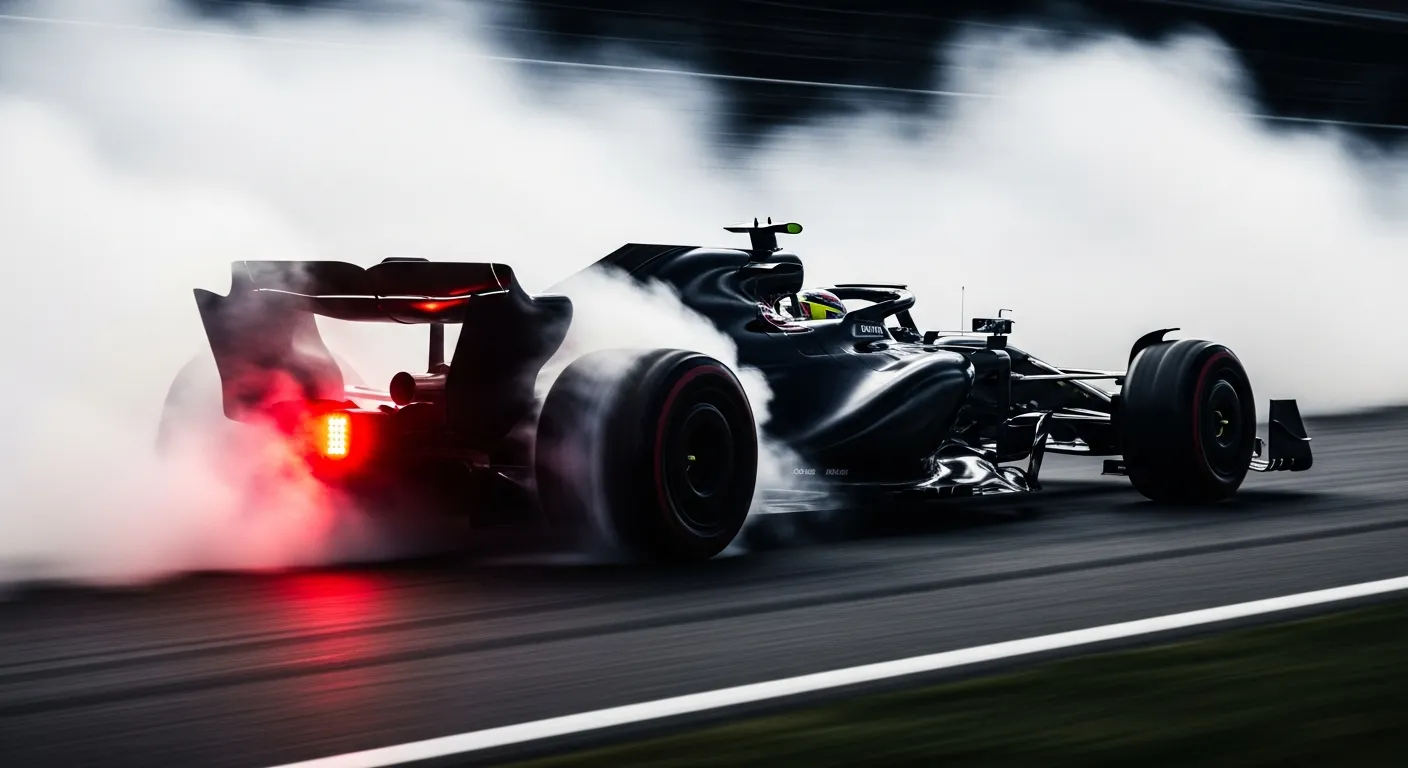
The Formula 1 Power Unit (PU) is a highly sophisticated, integrated hybrid system, far more than just a traditional engine, designed to maximize efficiency and performance under stringent technical regulations. Introduced in 2014, this complex powertrain combines a 1.6-liter turbocharged V6 internal combustion engine (ICE) with several advanced energy recovery systems (ERS) and control electronics. These ERS components include the Motor Generator Unit–Kinetic (MGU-K), which recovers energy from braking, and the Motor Generator Unit–Heat (MGU-H), which captures thermal energy from the exhaust gases. Both units can deploy this recovered energy back into the drivetrain or store it in a high-voltage Energy Store (ES), effectively providing a significant power boost and improving fuel efficiency.
The Heart of Performance and Strategy
The Power Unit is central to a team's performance, influencing everything from raw straight-line speed to race strategy. During a race, drivers and engineers constantly manage the deployment of electrical energy from the MGU-K and MGU-H. This energy management is critical for optimizing lap times, defending positions, or executing overtakes, especially on circuits with long straights or heavy braking zones. A well-managed PU can provide bursts of speed when needed, while poor management can lead to a lack of power or increased degradation of components. Furthermore, the immense power generated by the PU, combined with the car's aerodynamics, places significant stress on the tires. This interaction is crucial, as the way power is delivered affects tire wear and performance, a key area of focus for suppliers like Pirelli and their compound development. Factors like thermal degradation are not just about track temperature but also how the car's systems, including the PU, influence tire heat.
Reliability and Penalties
One of the most critical aspects of the Power Unit in modern F1 is its reliability and the strict limits on component usage per season. Under the FIA Formula One regulations, each driver is allocated a finite number of specific PU components (ICE, turbocharger, MGU-H, MGU-K, ES, and Control Electronics) for the entire championship. Exceeding these allocations results in grid penalties, which can significantly impact a driver's race weekend. For instance, in the 2021 season, Max Verstappen received a grid penalty at the Russian Grand Prix for taking a fourth Honda power unit, a strategic move to ensure fresh components for the championship run. Similarly, Charles Leclerc faced multiple grid penalties in the 2022 season due to reliability issues requiring new components. These penalties often force teams to make difficult strategic choices, sometimes opting for a new PU at a track where overtaking is easier to mitigate the impact of a back-of-grid start, or even using an undercut strategy to gain track position after a penalty.
Beyond Just an "Engine"
For many casual viewers, the Power Unit is simply referred to as the "engine," but this overlooks the intricate hybrid technology that defines modern Formula 1. The term "Power Unit" specifically encompasses the entire integrated system – the internal combustion engine, the energy recovery systems, and the sophisticated control electronics that manage their interplay. Understanding this distinction is key to appreciating the engineering marvels beneath the carbon fibre bodywork and the strategic depth involved in F1 racing. The continuous development of these PUs by manufacturers like Mercedes, Ferrari, Renault, and Honda is a relentless pursuit of power, efficiency, and reliability, pushing the boundaries of automotive technology. For a broader understanding of motorsport terminology, resources like the power unit — Wikipedia glossary entry provide excellent context.
Common questions
- How many Power Units can a driver use per season?
- Drivers are typically allowed a limited number of each major Power Unit component (ICE, turbo, MGU-H, MGU-K, ES, CE) per season, often three, before incurring grid penalties for further replacements.
- What does MGU-K and MGU-H mean?
- MGU-K (Motor Generator Unit–Kinetic) recovers energy from braking. MGU-H (Motor Generator Unit–Heat) recovers thermal energy from the exhaust. Both convert mechanical/heat energy into electrical energy.