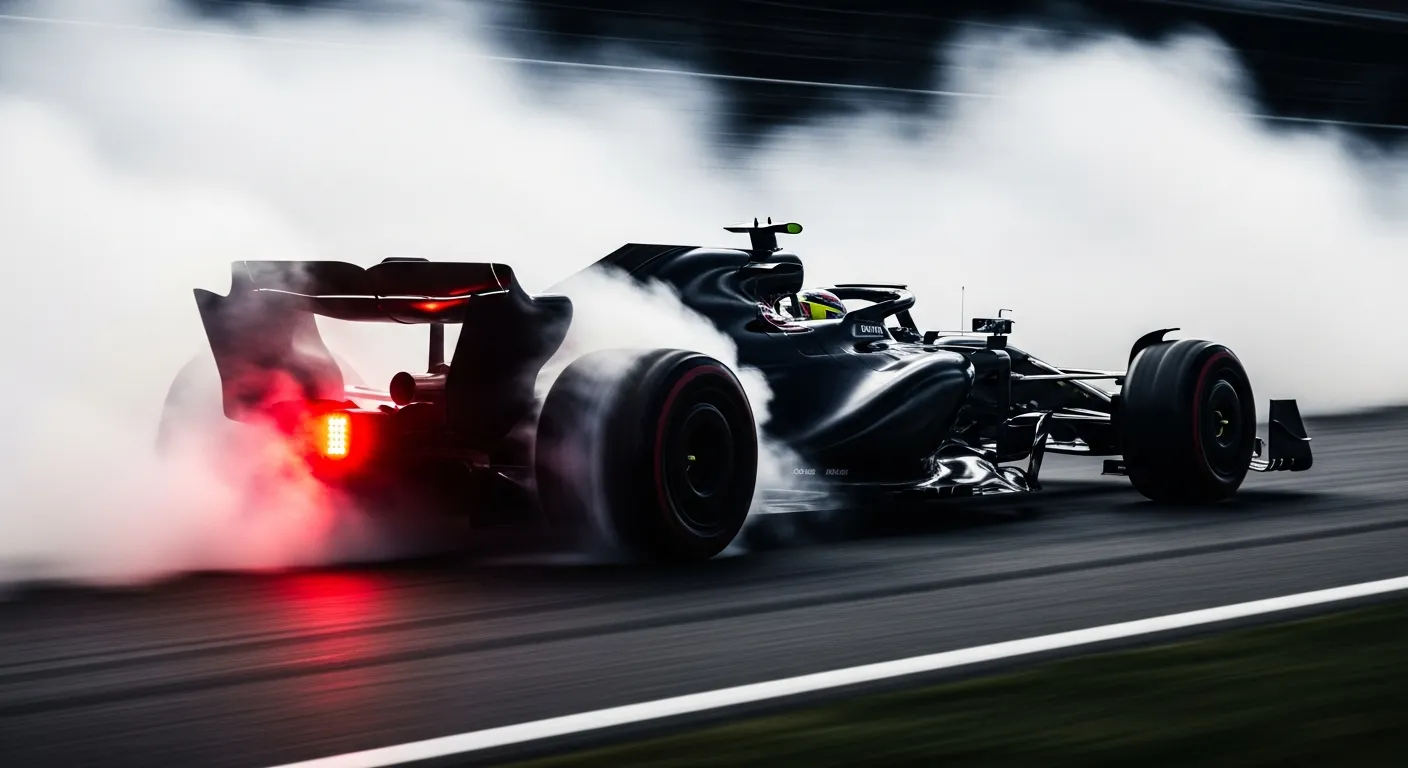
The MGU-H, or Motor Generator Unit – Heat, is a critical component of Formula 1's hybrid power units, uniquely designed to recover heat energy from the exhaust gases, specifically from the turbocharger, to generate electrical power. Unlike its kinetic counterpart, the MGU-K, the MGU-H is directly connected to the turbocharger shaft. It acts as both a generator, converting excess heat from the exhaust gases into electrical energy that can be stored in the battery or deployed elsewhere, and as a motor, using electrical energy to spin the turbocharger.
The Dual Role of the MGU-H
This dual functionality is what makes the MGU-H so ingenious and complex. As a generator, it captures energy that would otherwise be wasted as heat, contributing significantly to the power unit's overall efficiency. The recovered electrical energy can then be channeled to the MGU-K to provide an instantaneous power boost to the drivetrain, or stored in the energy store for later deployment. Its role as a motor is arguably even more crucial for driver feel and performance: by electrically spinning the turbocharger, the MGU-H effectively eliminates "turbo lag." This means drivers get immediate power delivery upon throttle application, a stark contrast to the delay experienced in traditional turbocharged engines, which can be critical for maintaining momentum and avoiding degradation of lap times.
Impact on Performance and Reliability
The MGU-H's contribution to outright performance and fuel efficiency is substantial, making it a cornerstone of the current hybrid era. However, its sophisticated design, operating at extremely high temperatures and rotational speeds, also makes it one of the most mechanically stressed and complex components within the power unit. This complexity often translated into significant reliability challenges, particularly for manufacturers like Honda in the early years of the hybrid regulations, while Mercedes' early dominance was partly attributed to their mastery of MGU-H development. Failures of the MGU-H frequently led to costly grid penalties for component changes or even race retirements, underscoring its fragile yet vital nature. The FIA Formula One regulations detail the stringent rules governing these power unit elements.
For a driver, the seamless power delivery enabled by the MGU-H is invaluable, whether they are managing tire wear on Hard Tires or navigating treacherous conditions on Wet Tires. The ability to instantly spool up the turbocharger provides consistent throttle response, which is paramount for precise control. For a broader understanding of its place in the sport's technical lexicon, the mgu h — Wikipedia glossary entry offers further context. Looking ahead to the 2026 regulations, the MGU-H is set to be removed entirely, a decision aimed at simplifying the power unit, reducing development costs, and attracting new manufacturers to Formula 1, acknowledging its inherent complexity as a barrier to entry.
Common questions
- What is the primary function of the MGU-H?
- The MGU-H recovers heat energy from the exhaust gases via the turbocharger, converting it into electrical power to boost performance and eliminate turbo lag.
- How does the MGU-H differ from the MGU-K?
- The MGU-H recovers heat energy from the turbocharger, while the MGU-K recovers kinetic energy during braking. They serve distinct energy recovery roles.
- Why is the MGU-H being removed from F1 in 2026?
- Its removal aims to simplify the power unit architecture, reduce development costs, and attract new manufacturers to the sport for the 2026 season.