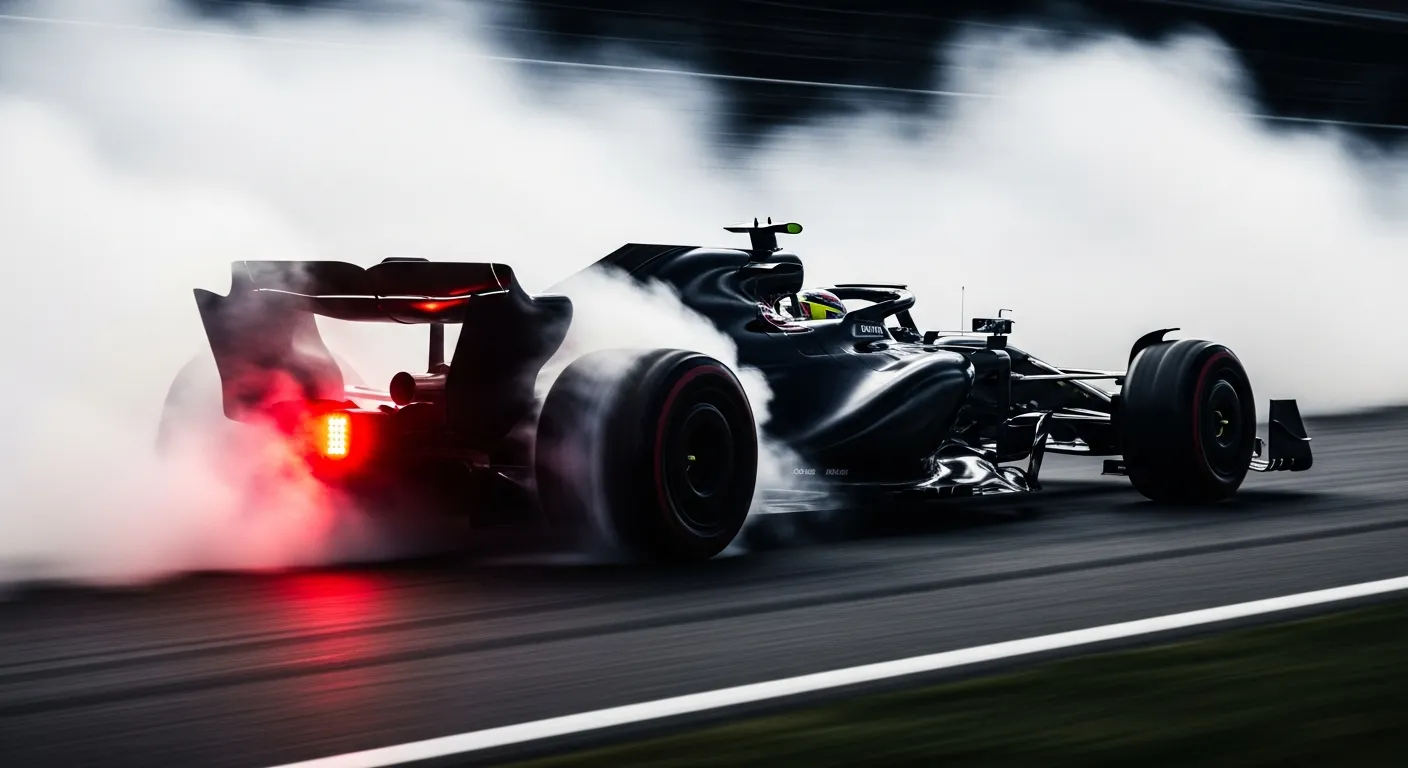
Telemetry is the invisible lifeline connecting an F1 car to its engineering team, providing a constant stream of vital performance data during every moment on track. This sophisticated system involves the real-time transmission of hundreds of data channels from the car to the pit wall, enabling engineers to monitor, analyze, and react to the car's behavior and performance instantaneously. It's a cornerstone of modern Formula 1, transforming how teams approach strategy, setup, and driver coaching.
The Data Stream: What's Being Sent
An F1 car is equipped with a vast array of sensors, each meticulously placed to capture specific performance metrics. These sensors measure everything from engine RPM, gear selection, and speed, to tire temperatures and pressures, brake application, suspension travel, and aerodynamic loads. Even driver inputs like steering angle and throttle position are continuously logged and transmitted. This comprehensive dataset provides an unparalleled view into the car's health and performance, far beyond what a driver can perceive or articulate. The sheer volume of data, often transmitted several times a second, is processed by sophisticated software, allowing engineers to visualize trends and anomalies. For a broader understanding of how this data fits into motorsport terminology, the telemetry — Wikipedia glossary entry offers a good overview.
Telemetry's Role in Race Weekend
Telemetry's importance spans the entire race weekend. During practice sessions, engineers use it to fine-tune car setups, comparing driver feedback with hard data to optimize everything from wing angles to differential settings. They can analyze a driver's Racing Line through specific corners, comparing it against optimal theoretical lines or a teammate's performance to identify areas for improvement.
In qualifying and the race, telemetry becomes critical for real-time strategic decisions. Engineers monitor tire degradation patterns, crucial information given the complex tire compounds supplied by manufacturers like Pirelli. They track fuel consumption, brake wear, and engine parameters, watching for any deviations that might signal an impending issue. If a driver reports unexpected Oversteer or a recurring Lock-Up under braking, telemetry data allows the engineers to quickly diagnose whether it's a driver input issue, a setup imbalance, or a mechanical problem. This data also plays a vital role in ensuring compliance with the stringent technical rules set forth in the FIA Formula One regulations, with officials monitoring certain parameters directly.
Beyond the Pit Wall: Common Misconceptions
A common misconception among viewers is that engineers use telemetry to "drive" the car from the pit wall, dictating every move. This is far from the truth. While engineers use the data to provide crucial advice—such as optimal pit stop windows, target lap times, or warnings about car issues—the ultimate control and decision-making on track remain with the driver. Telemetry is an information tool, enhancing the driver's ability to perform by providing a deeper understanding of the car's limits and behavior. It empowers informed decisions, rather than replacing the driver's role. It's a partnership between human skill and technological insight, pushing the boundaries of performance.
Common questions
- Can engineers control the car using telemetry?
- No, telemetry is for monitoring and informing decisions, not direct control. Drivers make all real-time inputs, while engineers provide advice based on the data.
- What kind of data does telemetry send?
- It transmits hundreds of parameters including speed, RPM, tire temperatures, brake pressure, G-forces, suspension travel, engine performance, and driver inputs.