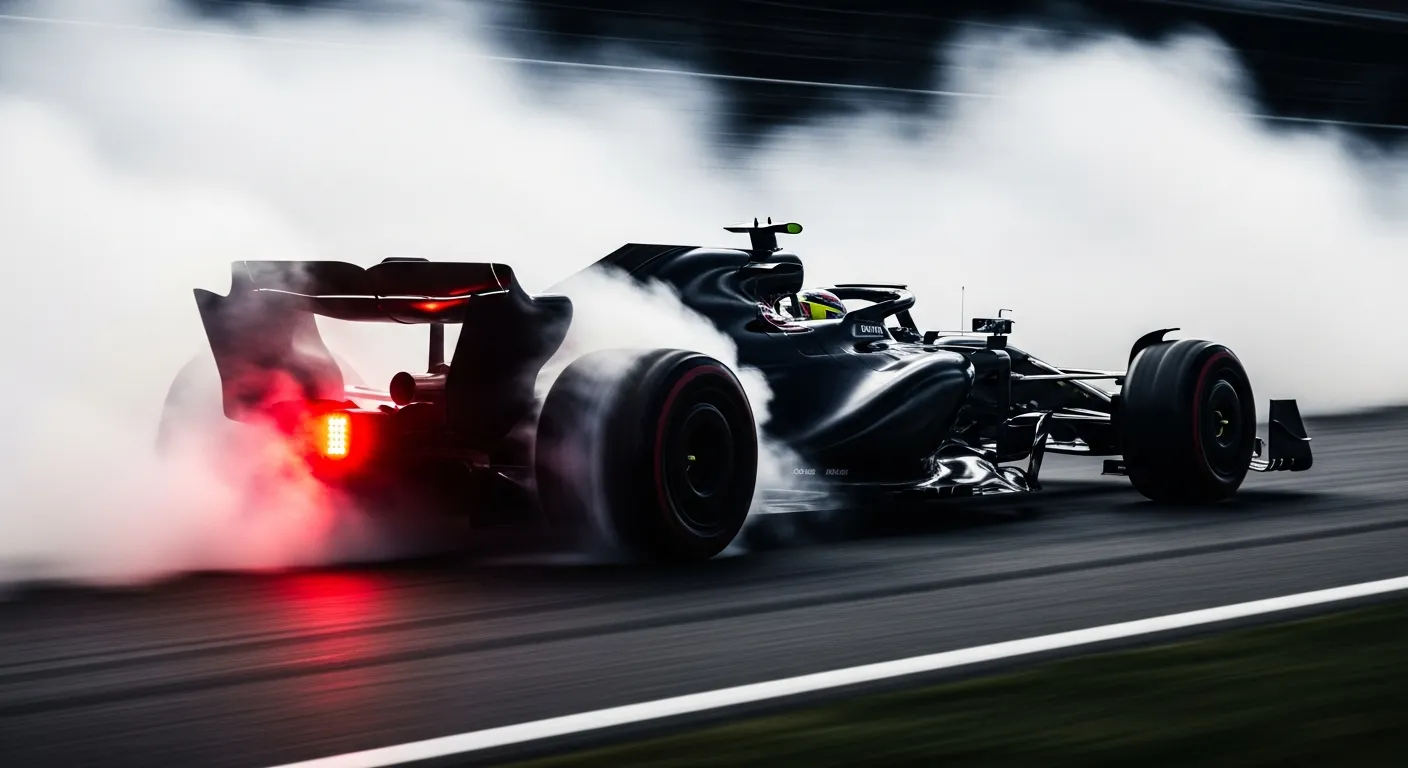
The Race Director is the highest-ranking official responsible for the operational management and safety of a Formula 1 Grand Prix, overseeing all on-track activity from practice sessions to the final lap. This pivotal role involves ensuring adherence to the FIA Formula One regulations and making real-time decisions that directly impact the flow and outcome of a race. They are the ultimate authority on track, acting as the central point of communication and decision-making for all sporting matters throughout a race weekend.
The Scope of Authority
The Race Director's purview is vast, encompassing everything from the initial track inspections to the final checkered flag. Their responsibilities include declaring the track fit for racing, deploying the Safety Car or Virtual Safety Car, initiating red flags to suspend sessions, and making calls on restarts, whether a Standing Start or a Rolling Start. They are in constant communication with marshals, medical teams, and team principals via the Pit Wall, ensuring a rapid response to any incident. For instance, managing incidents that require debris clearance from the track or addressing issues within the Pit Lane falls squarely under their domain. The Race Director must also interpret and apply the sporting regulations, often under immense pressure and with split-second timing, making their role one of the most demanding in Formula 1.
Critical Decisions and Their Impact
The decisions made by the Race Director are often the subject of intense scrutiny, particularly when they influence the competitive outcome of a race. A prime example of this was the controversial conclusion to the 2021 Abu Dhabi Grand Prix. The Race Director at the time faced a complex scenario involving a late-race Safety Car period, lapped cars, and the impending end of the race. The decisions regarding which lapped cars to unlap and the timing of the Safety Car withdrawal led to a direct championship decider on the final lap, sparking widespread debate about the application of the rules. While highly contentious, this event underscored the immense power and responsibility vested in the Race Director, as detailed in the general race director — Wikipedia glossary entry. Another instance highlighting their critical role was the 2021 Belgian Grand Prix at Spa-Francorchamps, where persistent heavy rain forced the Race Director to make the difficult call to suspend and ultimately abandon the race after only a few laps behind the Safety Car, due to unsafe conditions and poor visibility, impacting tire performance (relevant to Pirelli — tire compound + regulation context).
Navigating Viewer Confusion
For many viewers, the Race Director's role can be a source of confusion, especially when decisions appear inconsistent or are made in highly dynamic situations. The complexity of the sporting regulations, combined with the need for immediate judgment calls, means that not every decision will be universally popular or easily understood without full context. Factors like track conditions, the severity of an incident, and the strategic implications for teams all weigh heavily on the Race Director's mind. It's a role that demands deep regulatory knowledge, calm under pressure, and the ability to prioritize safety above all else, while simultaneously striving for fairness in competition. The constant evolution of Formula 1, with its high speeds and intricate technical demands, ensures the Race Director's position remains central to the sport's integrity and excitement.
Common questions
- Who is the current F1 Race Director?
- The FIA typically appoints a panel of Race Directors who rotate duties throughout the season, rather than a single individual holding the position for every Grand Prix.
- What's the difference between the Race Director and Stewards?
- The Race Director manages the race in real-time, making immediate decisions on track conditions and safety. Stewards, however, investigate incidents and apply penalties after the fact, based on evidence and regulations.