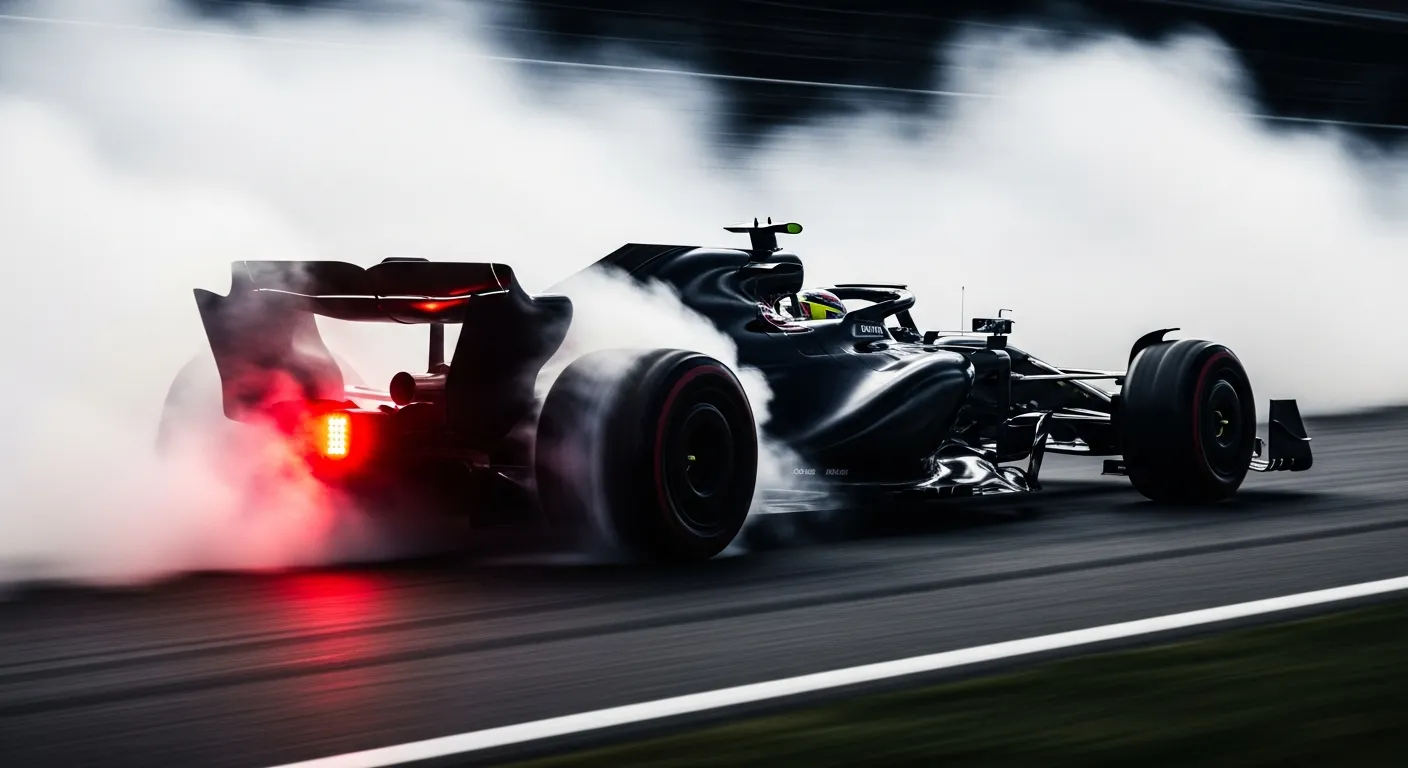
The race engineer serves as the critical conduit between a Formula 1 driver and the broader engineering team, translating real-time data and strategic directives into actionable instructions while providing crucial feedback to optimize car performance. This highly specialized role demands an intricate understanding of vehicle dynamics, race strategy, and the psychological nuances of high-pressure competition. They are, in essence, the driver's eyes and ears on the Pit Wall, constantly processing a torrent of information to guide their charge.
The Core Responsibilities
A race engineer's duties span the entire race weekend, from initial setup to the final lap. Before a wheel even turns, they work closely with the driver to refine car settings, taking into account track characteristics – whether it's a high-speed Permanent Circuit or a tight Street Circuit – and driver feedback. During practice sessions, they analyze telemetry data, lap times, and tire wear to fine-tune the car for optimal performance. This involves crucial decisions regarding aerodynamics, suspension, and brake balance, all aimed at finding those elusive tenths of a second.
Once qualifying begins, the focus shifts to extracting maximum single-lap pace. The race engineer guides the driver on traffic management, tire warm-up procedures, and even specific cornering techniques based on data analysis. When race day arrives, their role becomes even more dynamic. They are responsible for executing the race strategy, advising on pit stop timings, managing tire degradation with insights from suppliers like Pirelli — tire compound + regulation context, and reacting to ever-changing race conditions such as safety cars, virtual safety cars, or sudden weather shifts. Communication over the radio is constant, providing encouragement, relaying critical information, and sometimes even calming nerves.
Beyond the Technical
While technical expertise is paramount, the race engineer also plays a significant psychological role. They are the consistent voice in the driver's ear, building a rapport that can make or break a race. Iconic pairings, such as Peter Bonnington with Lewis Hamilton or Gianpiero Lambiase with Max Verstappen, exemplify this deep trust and understanding. These relationships are built on years of shared experience, where a brief radio message can convey a wealth of information and intent. The race engineer must know when to push, when to reassure, and when to simply listen.
Viewer confusion sometimes arises regarding the distinction between a race engineer and other members of the engineering team. While a team has many engineers specializing in areas like aerodynamics, power units, or strategy, the race engineer is the direct, singular point of contact for the driver, synthesizing all relevant information. They are the general practitioner of the car, rather than a specialist. Their decisions, while informed by the wider team, are ultimately tailored to the specific driver and the unfolding race scenario, always within the strict framework of the FIA Formula One regulations. For a more general overview of this critical role in motorsport, consult the race engineer — Wikipedia glossary entry.
Common questions
- What's the difference between a race engineer and a strategy engineer?
- The race engineer is the driver's direct contact, focusing on car performance, setup, and immediate race management. A strategy engineer, often off the pit wall, focuses on long-term race strategy, simulations, and overarching tactical decisions for both cars.
- Can a race engineer talk to other drivers on the team?
- Generally, a race engineer is assigned to one specific driver and communicates exclusively with them during a session. While they work within a larger team, direct radio communication is typically driver-specific to maintain focus and clarity.
- Is the race engineer always on the pit wall?
- Yes, during practice, qualifying, and the race, the race engineer is typically stationed on the [Pit Wall](/glossary/pit-wall) or in the garage, where they have access to live telemetry data and can communicate directly with the driver and the rest of the team.