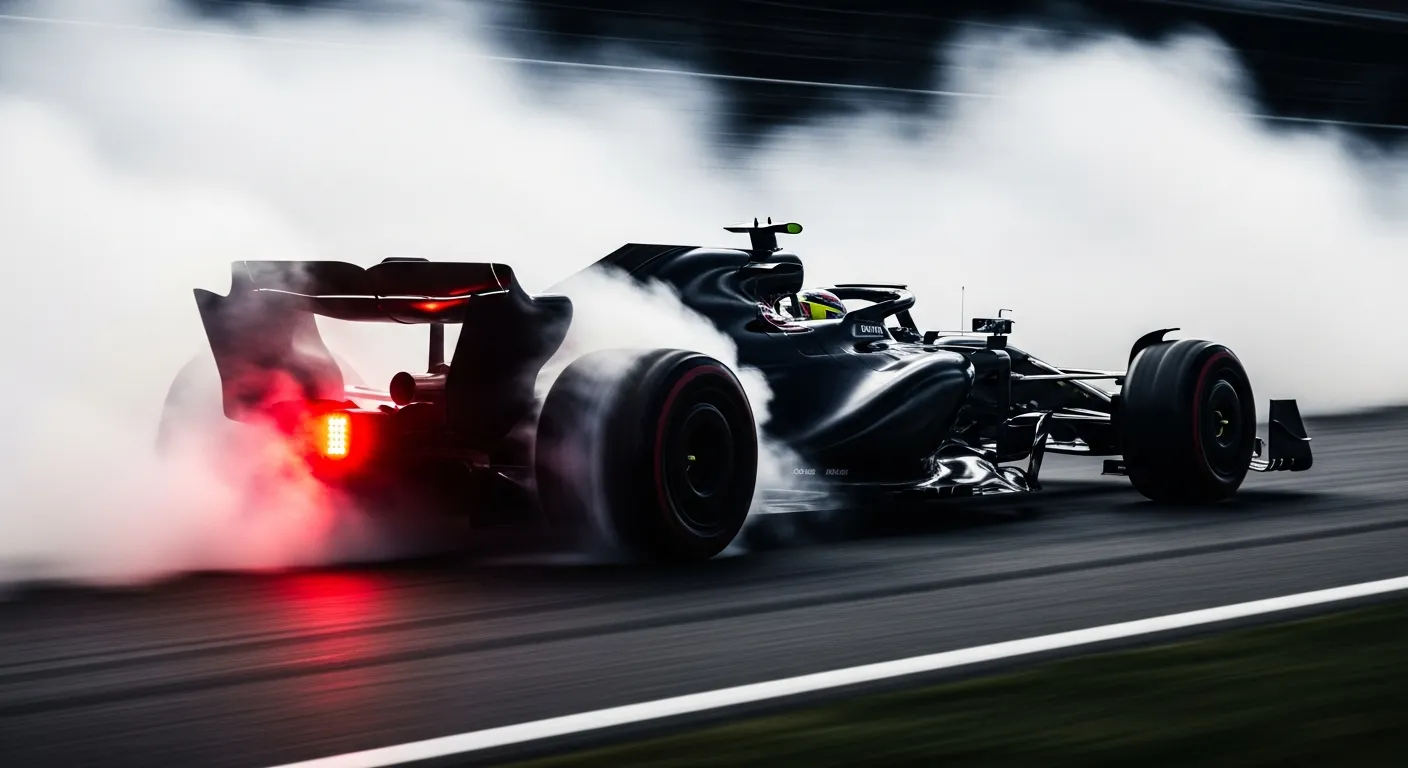
The yellow flag is a crucial safety signal in Formula 1, deployed by marshals and race control to warn drivers of an immediate hazard on or near the track, demanding reduced speed and prohibiting overtaking.
Understanding the Signals
When a yellow flag is displayed, either by marshals waving a physical flag, via trackside light panels, or on a driver's steering wheel display, it signifies a localized incident. The severity of the hazard dictates whether a single or double yellow flag is shown. A single waved yellow flag indicates a hazard beside or partially on the track, requiring drivers to slow down and be prepared to change direction. Crucially, overtaking is strictly forbidden. A double waved yellow flag signals a more significant danger on the track itself, or marshals working in the vicinity, demanding a substantial reduction in speed and the readiness to stop. Again, overtaking is prohibited. These regulations are meticulously detailed within the FIA Formula One regulations, forming a cornerstone of driver safety.
Impact on Race and Qualifying
The appearance of yellow flags can dramatically alter the complexion of a session. In qualifying, a yellow flag in a sector means any driver attempting a flying lap must lift off the throttle and cannot improve their time in that sector. This often leads to abandoned laps and can significantly impact grid positions, as seen when a minor spin or a car losing its Front Wing brings out the yellows. Drivers are constantly monitored by telemetry, and failure to adequately reduce speed under yellow flags can result in severe penalties, including grid drops or time penalties.
During a race, yellow flags can neutralize battles, allow gaps between cars to shrink, or force strategic recalculations. While a yellow flag itself doesn't mandate a specific speed, it demands a 'significant' reduction, which is open to interpretation but rigorously policed. For more severe incidents, yellow flags often precede or are accompanied by a Virtual Safety Car (VSC) or a full Safety Car deployment, which further dictates speed limits and can open up unexpected pit stop windows. The strategic dance of tire management, often dictated by Pirelli's various compounds, can be completely upended by such incidents, forcing teams to reconsider pit windows or manage unexpected tire temperatures. The overarching goal, as with safety devices like the Halo, is to protect drivers and marshals from harm, especially in scenarios involving debris or a damaged Monocoque requiring track clearance.
Common Viewer Confusion
One frequent point of confusion for viewers is the precise speed reduction required under a yellow flag versus a VSC. While a VSC imposes a specific delta time drivers must adhere to, a yellow flag relies on the driver's judgment to reduce speed appropriately for the hazard, albeit with strict oversight. Another area of misunderstanding can be the difference between a yellow flag and a red flag; the latter indicates a complete cessation of the session due to an insurmountable hazard. For a broader understanding of these and other motorsport terms, the yellow flag — Wikipedia glossary entry offers further context.
Common questions
- What's the difference between a single and double yellow flag?
- A single yellow indicates a hazard *beside* the track, requiring drivers to slow and be prepared. A double yellow signifies a hazard *on* the track or marshals working, demanding a significant speed reduction and readiness to stop. Overtaking is forbidden in both instances.
- Can you overtake under a yellow flag?
- No, absolutely not. Overtaking is strictly prohibited under both single and double yellow flags. Violating this rule typically results in a severe penalty, such as a grid drop or a time penalty during the race.
- How do drivers know about yellow flags?
- Drivers are notified by marshals waving physical yellow flags, trackside light panels displaying yellow lights, and a yellow light illuminated on their steering wheel display. This multi-layered system ensures immediate awareness.