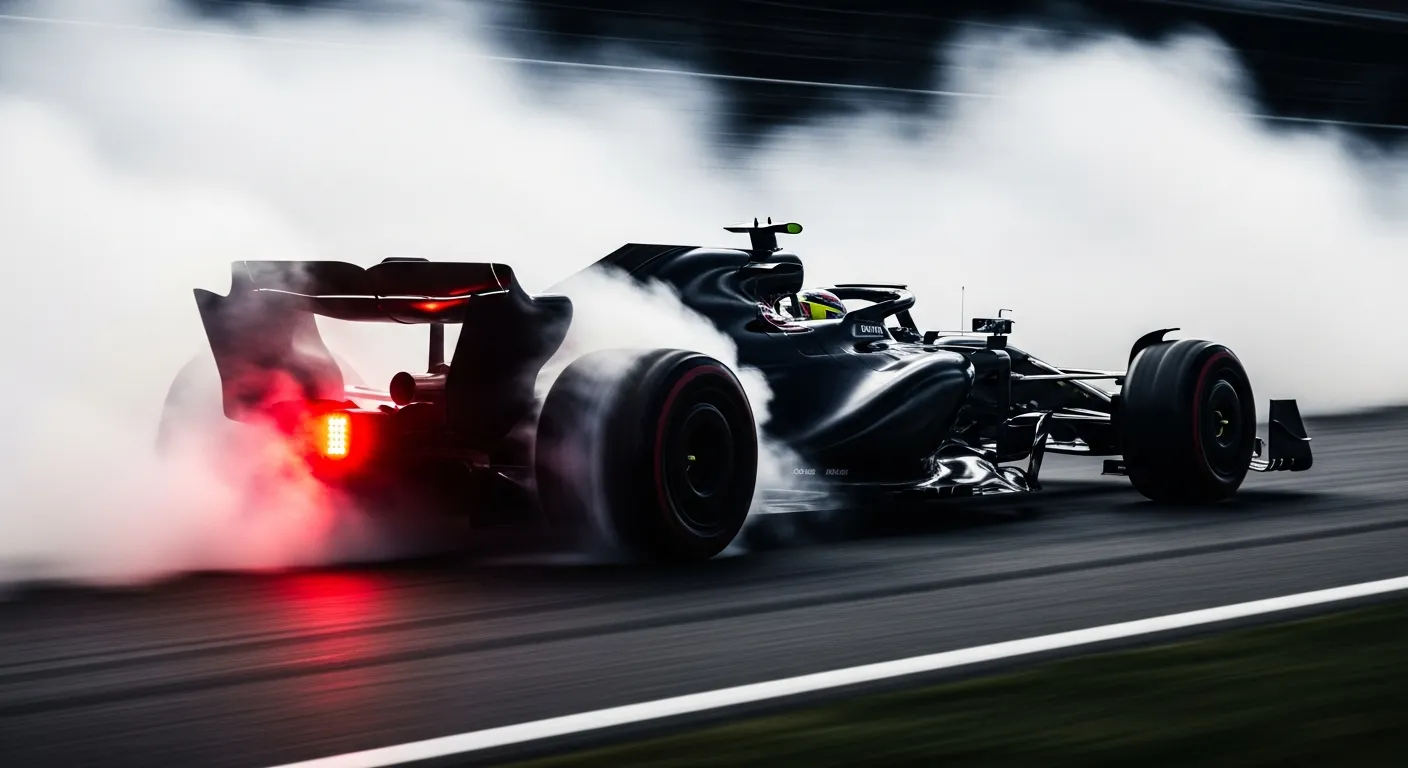
The rolling start, in the context of Formula 1, is a specific procedure where competing cars begin a race or restart from a moving formation rather than the traditional stationary grid. This contrasts sharply with the dramatic, lights-out standing start that typically kicks off a Grand Prix, where cars are stationary on their grid slots before accelerating. Instead, in a rolling start, cars follow a safety car in a predetermined order, maintaining a controlled speed until the safety car peels off and the Race Director declares the track clear for racing to resume. This method is primarily employed for safety reasons, particularly after a safety car period or a red flag interruption, to minimize the risk of multi-car collisions that can sometimes occur during a bunched, stationary start. The FIA Formula One regulations detail the precise protocols for such restarts, ensuring fairness and driver safety.
When it Matters in a Race
While the initial start of a Formula 1 Grand Prix is almost always a standing start, rolling starts become critical during race interruptions. If a significant incident, adverse weather, or debris on track necessitates a safety car deployment, the race will often resume with a rolling start once the conditions are deemed safe. The cars form a queue behind the safety car, often for several laps, allowing marshals to clear the track or for conditions to improve. Once the safety car pulls into the pit lane, usually at the end of the penultimate lap under safety car conditions, the lead driver dictates the pace until they cross the control line, at which point racing is permitted again. This moment is crucial, as drivers must manage their tires — often Pirelli compounds that need specific temperatures to perform optimally — and anticipate the lead car's acceleration without illegally overtaking before the control line. The strategic implications for Team Principal and drivers are immense, as the restart offers immediate overtaking opportunities.
Concrete Examples and Viewer Confusion
A common source of confusion for viewers arises from the nuances of how a rolling start unfolds. Unlike a standing start where the lights dictate the precise moment, a rolling start's timing is more fluid, dictated by the lead driver after the safety car departs. For instance, in many races, viewers might see the lead driver slow down significantly before the control line, creating a concertina effect in the pack, aiming to catch following cars off guard or to create a gap for their teammate. This is perfectly legal as long as they don't overtake the safety car before it enters the pit lane and don't overtake other cars before the control line. The Stewards closely monitor these moments for any infringements. A memorable example of a rolling start's impact was the 2021 Azerbaijan Grand Prix, where a late red flag led to a standing restart, but many other races, like the 2022 Saudi Arabian Grand Prix, have seen multiple safety car periods conclude with rolling restarts, dramatically reshaping the race order and strategy. Understanding the mechanics of a rolling start is key to appreciating the strategic depth and high-stakes maneuvering that defines these critical moments in F1. For further reading on motorsport terminology, the rolling start — Wikipedia glossary entry provides additional context.
Common questions
- Is a rolling start always used after a safety car?
- Not always. While common, the Race Director and Stewards can opt for a standing start after a safety car or red flag, especially if conditions allow and it's deemed safer or more appropriate for the race restart.
- Can drivers overtake before the control line in a rolling start?
- No. Drivers must maintain their position behind the car in front until they cross the control line, typically the start/finish line, after the safety car has entered the pits. Overtaking before this point incurs penalties.