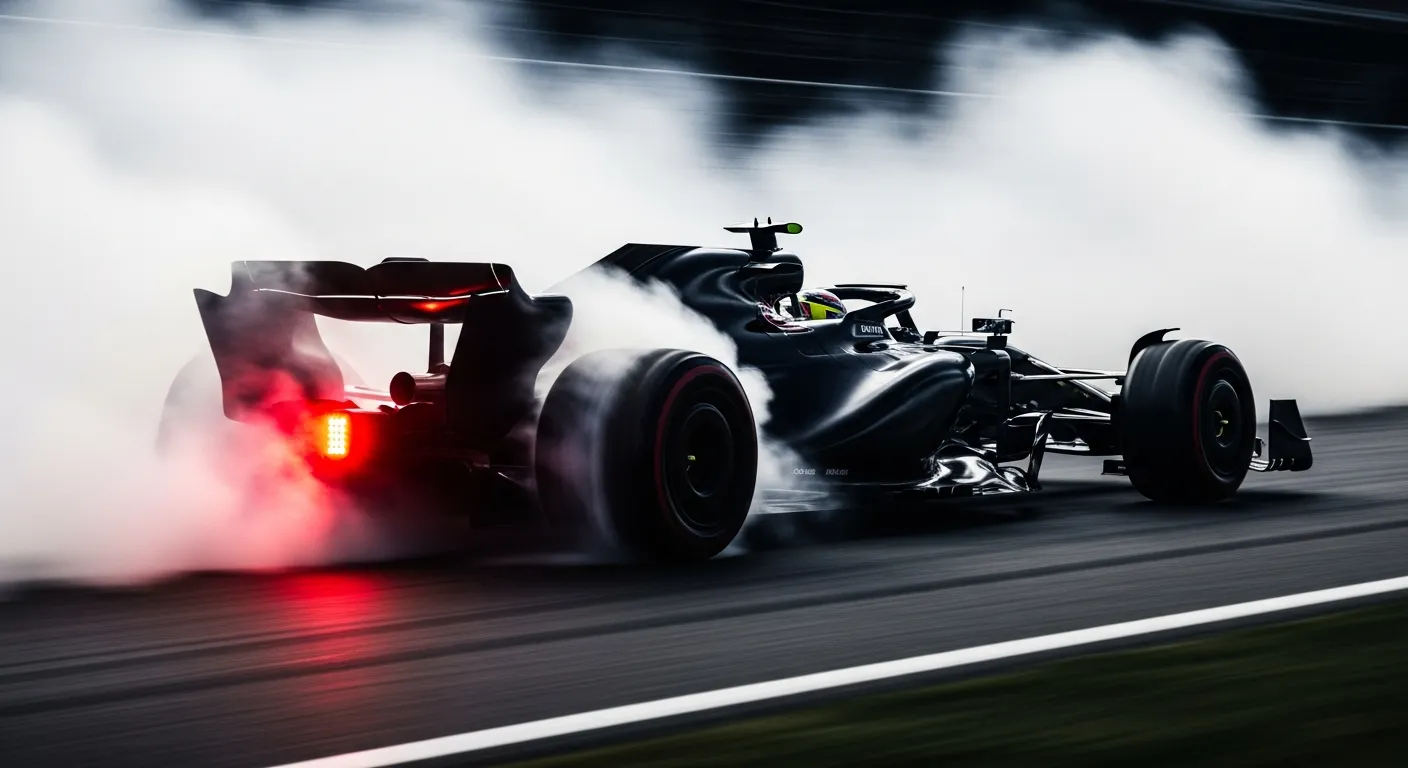
The 2021 Formula 1 season saw the Japanese Grand Prix at Suzuka Circuit cancelled for the second consecutive year, a direct consequence of the ongoing global pandemic, significantly altering the championship calendar and denying fans a race at one of F1's most revered tracks.
The Cancellation
Amidst the backdrop of the global health crisis, the decision to cancel the 2021 Japanese Grand Prix was announced in August, following extensive discussions between Formula 1, the FIA, and local promoters. Japan, facing its own challenges with rising COVID-19 cases and a state of emergency in several prefectures, found the logistical and public health hurdles of hosting a major international sporting event insurmountable for the second year running. This cancellation underscored the immense difficulties sports organizations, including the FIA — F1 World Championship, faced in navigating international travel restrictions and ensuring the safety of personnel and local communities during the pandemic. Unlike some other events that managed to proceed with strict protocols, the specific circumstances in Japan led to this unavoidable decision.
Calendar Reshuffle
The absence of the Japanese Grand Prix created a significant void in the latter half of the 2021 calendar, forcing Formula 1 to adapt rapidly. The sport had already demonstrated remarkable resilience in 2020 by constructing a revised schedule, and 2021 continued this trend of flexibility. While Suzuka's unique demands and fan experience were irreplaceable, F1 sought to maintain a robust schedule by exploring alternative venues or double-headers at existing circuits. The challenges of maintaining a global sporting calendar during this period were immense, contrasting sharply with the relative stability seen in seasons prior, such as when the 2018 Spanish Grand Prix ran without such widespread logistical concerns. The focus shifted to European rounds and other regions better equipped to host events under strict biosecure bubbles.
Championship Implications
While no points were awarded at Suzuka, the cancellation still had a subtle impact on the championship narrative. The absence of a race at a circuit known for its high-speed corners and technical demands meant one fewer opportunity for teams and drivers to gain or lose crucial points. For a season as tightly contested as 2021, every potential grand prix represented a chance to shift momentum. Drivers like Max Verstappen and Lewis Hamilton, locked in a fierce battle for the Drivers' Championship, would have approached Suzuka with specific strategies, knowing its unique characteristics. The cancellation meant one less variable in an already complex season, potentially altering the strategic calculus for the remaining races. The data from other F1 seasons, like that available through Jolpica/Ergast — 2026 season data, illustrates how every race contributes to the overall championship picture, making Suzuka's absence a palpable factor, even if indirect. The sport's ability to adapt and continue racing, as detailed on the Formula 1 — official site, was paramount, but the loss of iconic venues like Suzuka was keenly felt by the entire F1 community. The unique challenge of hosting a Grand Prix, as seen with events like the 2018 Monaco Grand Prix or the 2018 Canadian Grand Prix, highlights the immense effort required, which was simply not feasible for Japan in 2021. For more context on how the pandemic affected the sport, Wikipedia: Formula One offers a comprehensive overview.