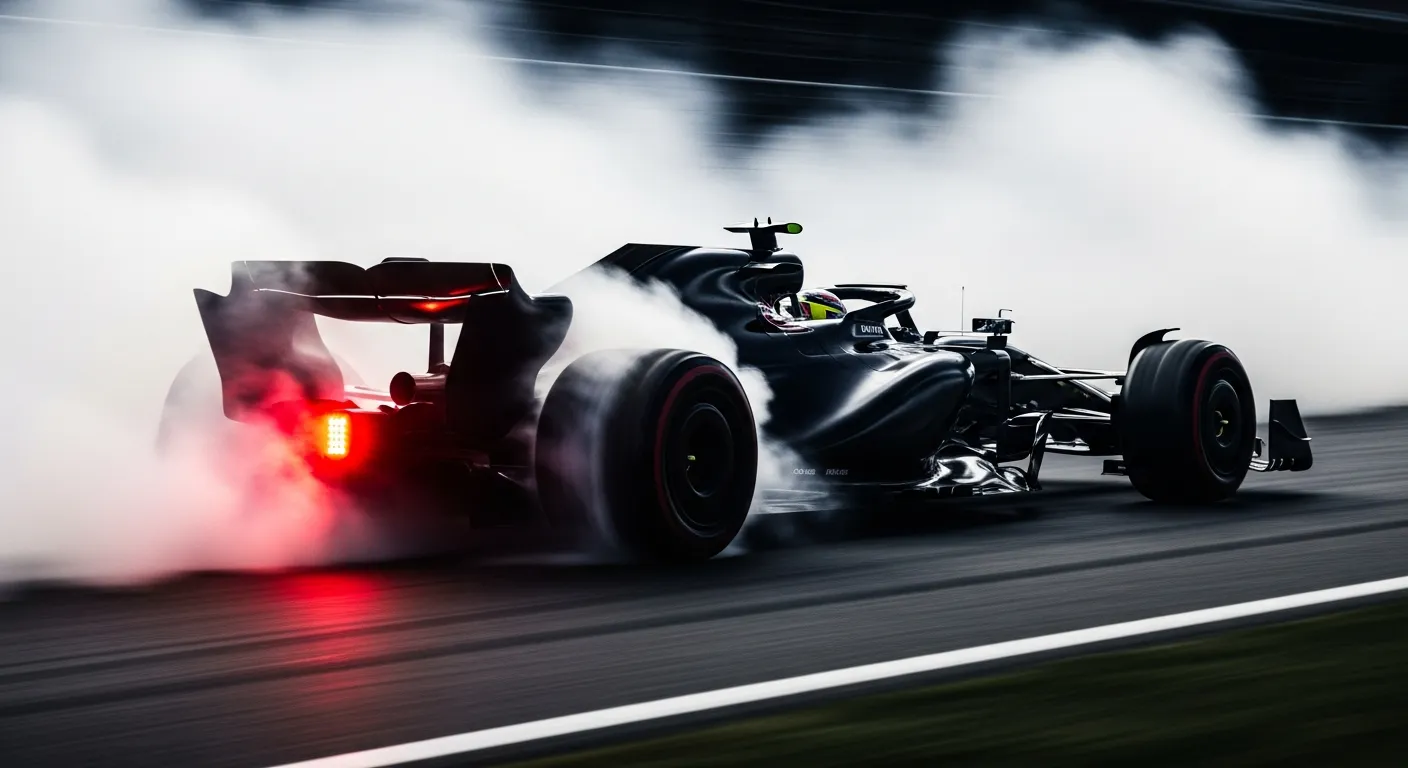
Fernando Alonso commenced his 2014 season at the Australian Grand Prix from the fifth position on the grid, a respectable start for Ferrari as the sport ushered in its new hybrid power unit regulations. The race, held on March 16, 2014, at the Albert Park Grand Prix Circuit, saw Alonso execute a controlled drive over 57 laps. He steadily advanced through the field, ultimately crossing the finish line in fourth place, 35.284 seconds behind the race winner, Nico Rosberg. This result, yielding 12 points, demonstrated Ferrari's initial competitive standing in a season marked by significant technical shifts, as detailed on the [Formula 1 — official site](https://www.formula1.com/en). The strategic demands of the new era, particularly concerning fuel management and energy recovery systems (ERS), were evident throughout the field. The FIA's oversight of these new technical regulations was crucial for the [F1 World Championship](https://www.fia.com/events/fia-formula-one-world-championship).
Alonso's race pace was consistent, highlighted by his fastest lap of 1:33.186 on the final lap, ranking seventh overall among all drivers. This late-race push underscored his ability to extract performance from the Ferrari F14 T. His teammate, Kimi Räikkönen, starting from eleventh on the grid, finished in seventh position, 57.675 seconds adrift of Rosberg, securing 6 points for Ferrari. This collective performance placed Ferrari as a strong contender for points, even if the outright pace for victory was with Mercedes, a dynamic familiar to [Lewis Hamilton at the 2023 Singapore Grand Prix](/results/2023-marina-bay-lewis-hamilton) in a different context. For a deeper dive into the technical changes of the era, the [Wikipedia: Formula One](https://en.wikipedia.org/wiki/Formula_One) entry provides comprehensive context regarding the 2014 regulation shift. Further analysis of historical race data, such as that available through [Jolpica/Ergast — 2026 season data](https://api.jolpi.ca/ergast/f1/2026.json) (illustrating the type of data available for F1 seasons), underscores the significance of converting qualifying performance into race results. Alonso's drive secured a solid start for Ferrari, providing a baseline for the season ahead, unlike the challenges faced by [Max Verstappen at the 2023 Singapore Grand Prix](/results/2023-marina-bay-max-verstappen). The strategic battles and performance nuances observed here offer a contrast to events like [Charles Leclerc at the 2023 Singapore Grand Prix](/results/2023-marina-bay-charles-leclerc), showcasing the evolving nature of F1 racing. This race provided crucial insights into the early pecking order of the 2014 season, a critical moment for the [Formula 1 — official site](https://www.formula1.com/en) to cover. The [FIA — F1 World Championship](https://www.fia.com/events/fia-formula-one-world-championship) would track these early points closely.
Verified race record · Ergast
Grid
P5
Finish
P4
Points
12
Laps
57
Constructor
Scuderia Ferrari
Status
Finished
Teammate that weekend
Kimi Räikkönen
Grid P11 · Finish P7 · 6 pts
Championship · before vs after
Before round 1
P40 pts
After round 1
P412 pts