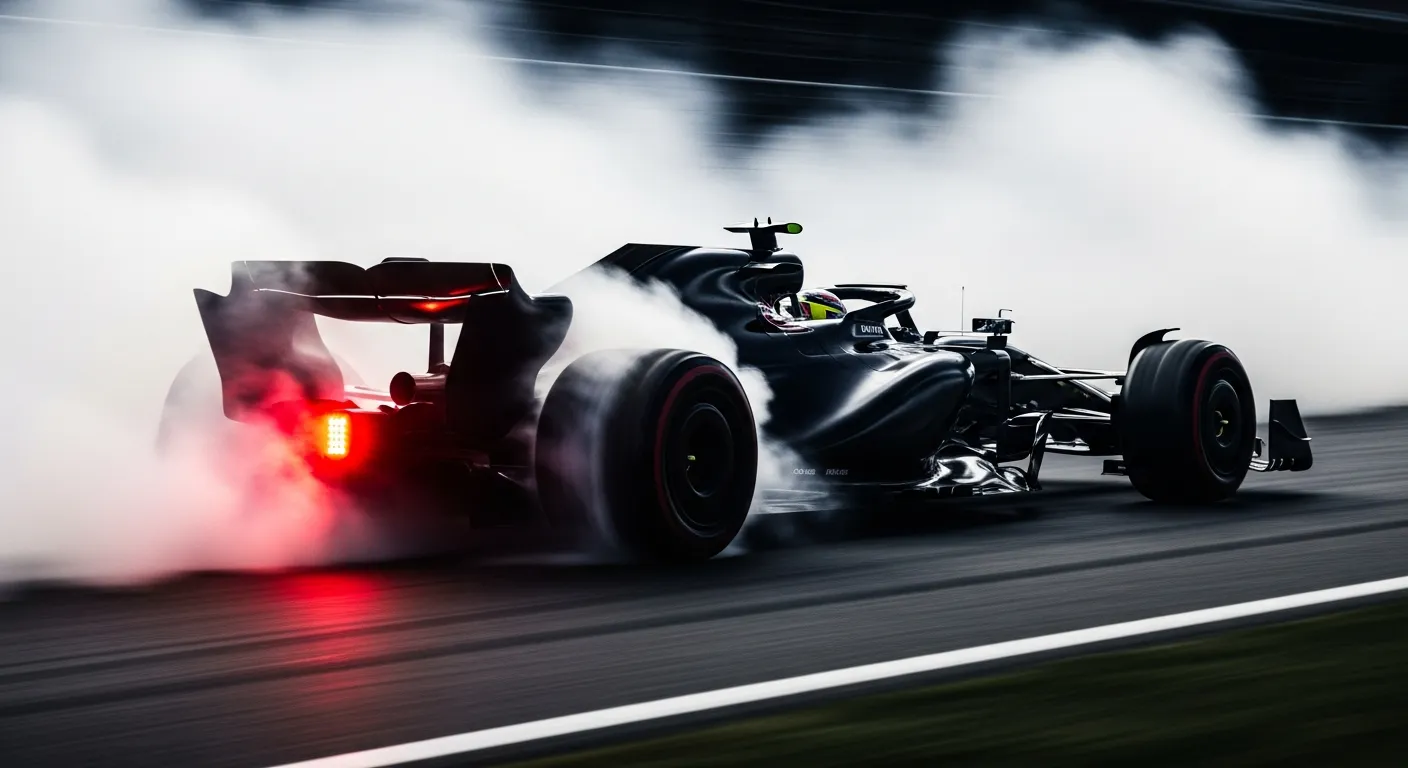
Fernando Alonso's outing at the 2015 Bahrain Grand Prix saw the Spanish driver bring his McLaren-Honda home in eleventh position, a result that, while outside the points, represented a measured gain from his fourteenth-place starting grid slot. This particular race, the fourth round of the 2015 season, underscored the challenges McLaren faced in the early stages of their renewed partnership with Honda. The team's performance throughout the weekend at the [Bahrain International Circuit](https://www.formula1.com/en/circuits/bahrain.html) in Sakhir was a stark reminder of the development curve ahead for the Woking-based outfit.
Alonso completed 56 laps of the race, classified one lap down from the leader, Lewis Hamilton. His fastest lap of the race, a 1:38.992, was recorded on lap 38, placing him thirteenth in the overall fastest lap rankings for the event. This demonstrated a respectable pace within the context of the McLaren package, even as the team struggled for overall competitiveness. This period for McLaren was a significant contrast to the competitive heights Alonso had previously experienced, a narrative that would continue to evolve through his career, as seen in his later efforts like [Fernando Alonso at the 2021 Abu Dhabi Grand Prix](/results/2021-yas-marina-fernando-alonso). The raw data for the season, available through comprehensive [F1 data archives](https://api.jolpi.ca/ergast/f1/2026.json), illustrates the broader context of performance metrics across the grid.
The challenges were not isolated to Alonso's car. His teammate, Jenson Button, did not even start the race after an ERS failure, highlighting the reliability issues plaguing the McLaren-Honda package. This was a season where simply finishing a race could be considered an achievement for the team. The broader landscape of [Formula One racing](https://en.wikipedia.org/wiki/Formula_One) in 2015 was dominated by Mercedes, with Ferrari showing signs of resurgence, as Kimi Räikkönen secured second place in Bahrain. For drivers like Alonso, these races became exercises in maximizing the available performance and providing crucial feedback for development. The FIA's technical regulations for the [FIA — F1 World Championship](https://www.fia.com/events/fia-formula-one-world-championship) define the framework within which these teams operate, constantly pushing the boundaries of engineering.
While no points were secured, the consistent running provided valuable data for the McLaren engineers. This was a period of fundamental rebuilding for the team, and every completed race, especially one where positions were gained, offered a small step forward in understanding the new power unit and chassis integration. The contrast to the front-runners, such as the battle for the championship that would culminate in events like [Lewis Hamilton at the 2021 Abu Dhabi Grand Prix](/results/2021-yas-marina-lewis-hamilton), clearly illustrated the gap McLaren needed to bridge. Even drivers in other midfield teams, like [George Russell at the 2021 Abu Dhabi Grand Prix](/results/2021-yas-marina-george-russell) years later, would find themselves in situations where maximizing an uncompetitive package was the primary goal. The pursuit of performance in F1 is relentless, a constant cycle of development and refinement, as documented by various sources including the [official Formula 1 site](https://www.formula1.com/en) and its [historical race summaries](https://www.formula1.com/en/results.html).
Verified race record · Ergast
Grid
P14
Finish
P11
Points
0
Laps
56
Constructor
McLaren Racing
Status
+1 Lap
Teammate that weekend
Jenson Button
Grid P20 · Power unit · 0 pts
Championship · before vs after
Before round 4
P170 pts
After round 4
P160 pts