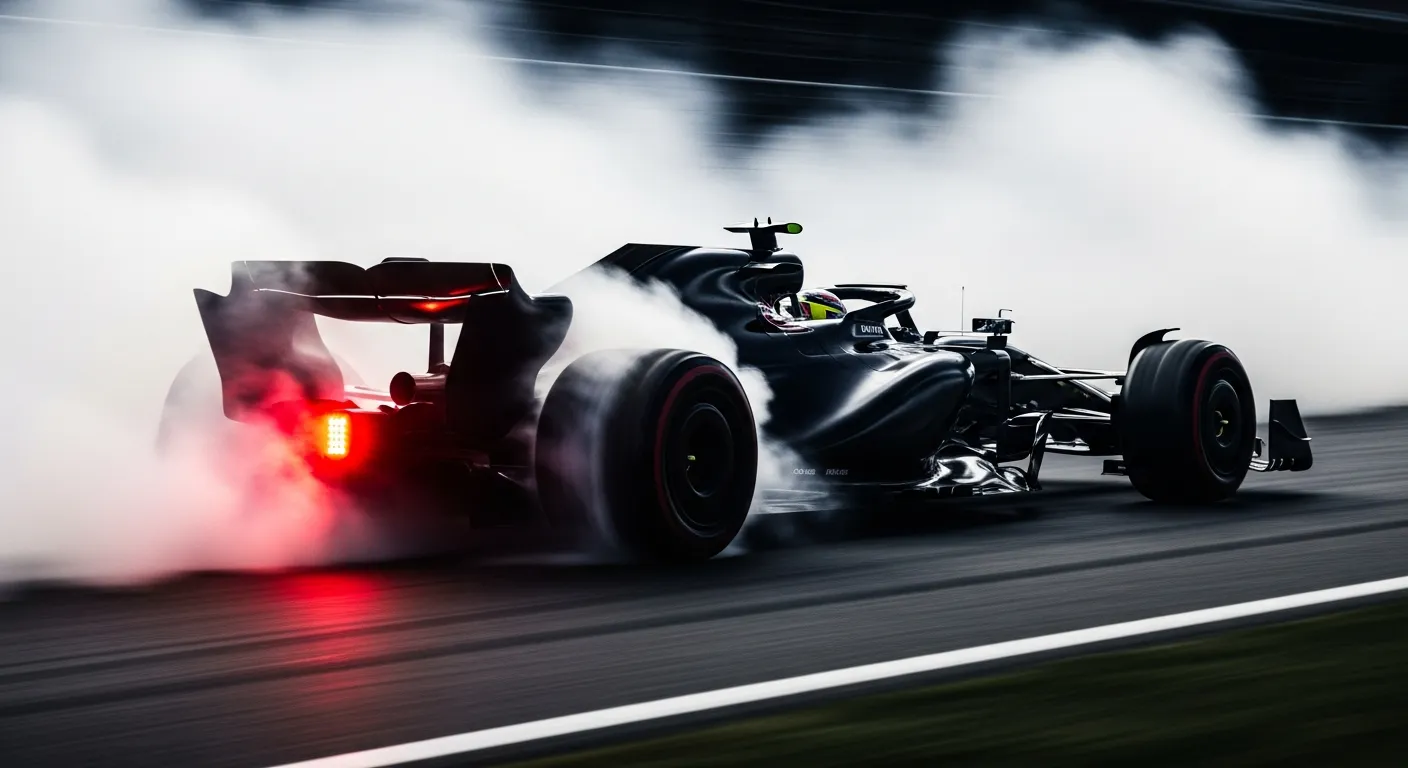
The 2015 Bahrain Grand Prix on April 19 at the Bahrain International Circuit presented a challenging outing for Max Verstappen, culminating in an electrical retirement that cut short his race after 34 laps. Starting from 15th on the grid, the then-rookie driver for Toro Rosso aimed to navigate the desert circuit under the lights, a unique aspect of the [Formula 1 — official site](https://www.formula1.com/en) calendar. Despite the early end to his race, Verstappen demonstrated flashes of pace, recording his fastest lap on lap 32 with a time of "1:39.607," ranking 16th among all drivers. This performance offered a glimpse into his developing speed, even as technical issues plagued the STR10 chassis. The "Electrical" status recorded in the official [FIA — F1 World Championship](https://www.fia.com/events/fia-formula-one-world-championship) results underscored the reliability struggles faced by the team that weekend. For context, his teammate, Carlos Sainz, also retired from the race due to an "Engine" issue after 29 laps, highlighting a broader technical challenge for the Italian constructor at Sakhir. This mirrored some of the reliability issues seen across the grid, even in later seasons, such as those faced by [Carlos Sainz at the 2018 Italian Grand Prix](/results/2018-monza-carlos-sainz) with Renault power. The Bahrain event was a stark reminder of the intricate engineering required to complete a Grand Prix, as detailed in various [Wikipedia: Formula One](https://en.wikipedia.org/wiki/Formula_One) technical overviews. The race was ultimately won by Lewis Hamilton, who started from pole, demonstrating the stark contrast in fortunes across the field, much like his dominant performance at [Lewis Hamilton at the 2018 Italian Grand Prix](/results/2018-monza-lewis-hamilton). Data from the Ergast database, accessible via [Jolpica/Ergast — 2026 season data](https://api.jolpi.ca/ergast/f1/2026.json), provides a comprehensive record of such events. The technical challenges of the Bahrain circuit, with its demanding layout and high temperatures, often test the limits of F1 machinery, leading to various mechanical and electrical failures throughout its history. While Verstappen’s race ended prematurely, the experience contributed to his understanding of F1 car limits and race management, even if points remained elusive. Drivers like [Fernando Alonso at the 2018 Italian Grand Prix](/results/2018-monza-fernando-alonso) have also faced similar reliability frustrations in their careers, underscoring a common thread in motorsport.
Verified race record · Ergast
Grid
P15
Finish
Electrical
Points
0
Laps
34
Constructor
Scuderia Toro Rosso
Status
Electrical
Teammate that weekend
Carlos Sainz Jr.
Grid P9 · Wheel hub · 0 pts
Championship · before vs after
Before round 4
P116 pts
After round 4
P116 pts