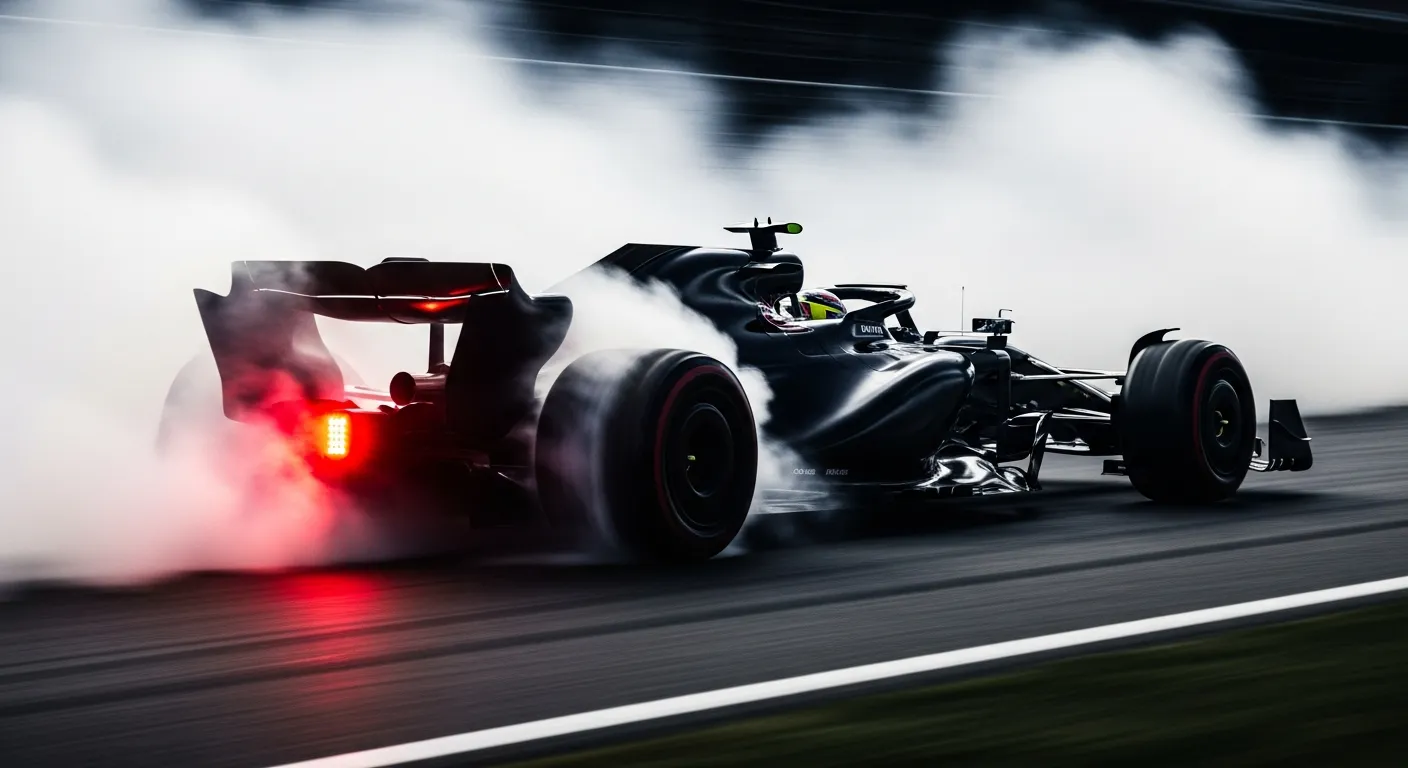
Fernando Alonso's campaign at the 2015 Canadian Grand Prix on June 7, 2015, was another chapter in McLaren's challenging season, culminating in a retirement due to engine failure. Starting from 13th on the grid at the Circuit Gilles Villeneuve, the Spanish driver navigated the initial phases of the race, demonstrating his characteristic race craft. Despite the underlying performance deficits of the McLaren-Honda package, Alonso pushed the car, recording a fastest lap of 1:19.580 on lap 41, which placed 18th among all drivers for that metric. However, the inherent reliability issues that plagued the team throughout the 2015 season resurfaced, forcing Alonso to retire on lap 44. This mechanical failure, specifically attributed to the engine, meant zero points for the McLaren team, mirroring the struggles faced by many drivers when technical issues intervene, such as [Yuki Tsunoda at the 2021 Belgian Grand Prix](/results/2021-spa-francorchamps-yuki-tsunoda) who also faced a DNF. The broader context of the [Formula 1 — official site](https://www.formula1.com/en) season revealed a period of significant development hurdles for the constructor.
The retirement was a stark reminder of the uphill battle McLaren faced in the 2015 season, a year marked by a significant power unit transition. Alonso’s teammate, Jenson Button, also failed to finish the race, retiring on lap 54, further highlighting the team's difficulties. This double retirement underscored the nascent stage of the McLaren-Honda partnership, which struggled to deliver both performance and reliability. Such mechanical setbacks are a critical aspect of racing, impacting even seasoned drivers and their championship aspirations, a challenge familiar to other competitors like [Carlos Sainz at the 2021 Belgian Grand Prix](/results/2021-spa-francorchamps-carlos-sainz) who also navigated complex race scenarios. The Circuit Gilles Villeneuve, known for its high-speed sections and heavy braking zones, demands robust power unit performance, which McLaren was unable to consistently provide on this occasion. For a comprehensive overview of the sport's structure and history, the [Wikipedia: Formula One](https://en.wikipedia.org/wiki/Formula_One) page offers extensive details. The ongoing data analysis from sources like [Jolpica/Ergast — 2026 season data](https://api.jolpi.ca/ergast/f1/2026.json) consistently illustrates how critical reliability is for a driver's season trajectory. Even promising talents like [Max Verstappen at the 2021 Hungarian Grand Prix](/results/2021-hungaroring-max-verstappen) have faced races where mechanical issues or incidents curtailed their potential. The [FIA — F1 World Championship](https://www.fia.com/events/fia-formula-one-world-championship) regulations emphasize the importance of power unit longevity, a factor McLaren was actively working to address.
Verified race record · Ergast
Grid
P13
Finish
Exhaust
Points
0
Laps
44
Constructor
McLaren Racing
Status
Exhaust
Teammate that weekend
Jenson Button
Grid P20 · Exhaust · 0 pts
Championship · before vs after
Before round 7
P170 pts
After round 7
P180 pts