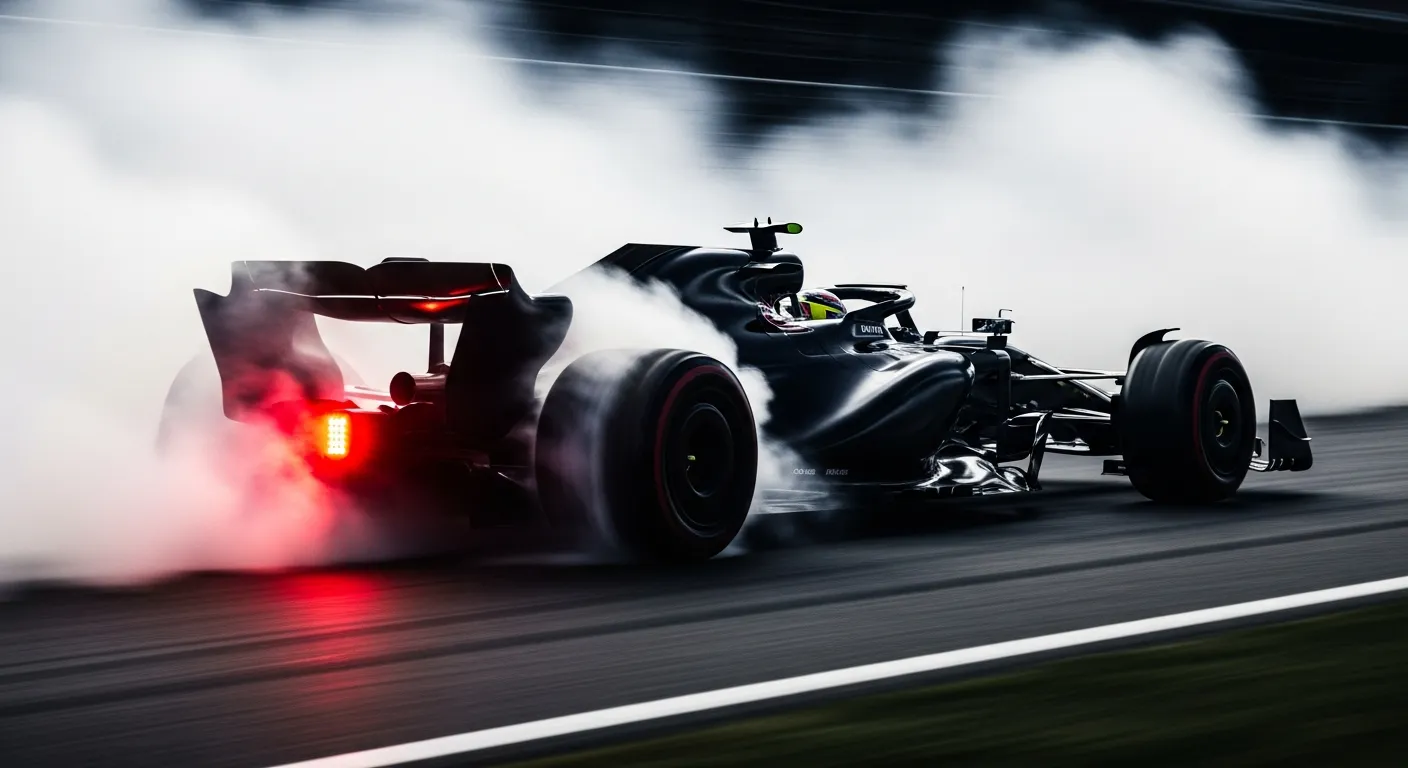
The 2015 Chinese Grand Prix saw Carlos Sainz, driving for Toro Rosso, demonstrate notable pace despite a challenging race outcome. Starting from 14th on the grid at the Shanghai International Circuit, Sainz completed 55 laps, finishing 13th and classified one lap down from the race winner. While the result did not yield championship points, his performance included a significant highlight: a fastest lap time of 1:42.652 on lap 41, which stood as the third quickest of the entire Grand Prix, underscoring the potential within the STR10 chassis and his driving ability. This raw speed, particularly late in the race, offered a glimpse into the Spaniard's developing racecraft in his debut Formula 1 season. For context, drivers like [Lewis Hamilton at the 2019 Spanish Grand Prix](/results/2019-barcelona-lewis-hamilton) often leverage consistent pace to secure victories, but for a rookie, demonstrating outright speed is a different kind of achievement.
The race itself was a test of endurance and strategy, with Sainz's teammate, Max Verstappen, retiring after 52 laps due to a transmission issue, highlighting the reliability challenges faced by the Italian constructor. Sainz's ability to bring his car home, albeit a lap down, contrasted with several other retirements throughout the field, including Daniil Kvyat's Red Bull and Nico Hülkenberg's Force India. The comprehensive [Formula 1 — official site](https://www.formula1.com/en) race report for 2015 details the full context of these early season mechanical struggles. Understanding the broader landscape of F1 racing, as outlined on [Wikipedia: Formula One](https://en.wikipedia.org/wiki/Formula_One), reveals how crucial reliability is, especially for developing teams. The detailed [Jolpica/Ergast — 2026 season data](https://api.jolpi.ca/ergast/f1/2026.json) provides a historical perspective on how race outcomes are recorded, emphasizing the importance of every lap completed. While Sainz didn't add to his points tally in China, his fastest lap performance was a promising indicator for the future, a sentiment often echoed when reviewing the early careers of drivers like [Lando Norris at the 2019 Spanish Grand Prix](/results/2019-barcelona-lando-norris) or even [Fernando Alonso at the 2019 Spanish Grand Prix](/results/2019-barcelona-fernando-alonso), who also faced developmental challenges with their machinery. The [FIA — F1 World Championship](https://www.fia.com/events/fia-formula-one-world-championship) regulations govern such events, ensuring fair competition and reliable data collection.
Verified race record · Ergast
Grid
P14
Finish
P13
Points
0
Laps
55
Constructor
Scuderia Toro Rosso
Status
+1 Lap
Teammate that weekend
Max Verstappen
Grid P13 · Finish P17 · 0 pts
Championship · before vs after
Before round 3
P116 pts
After round 3
P126 pts