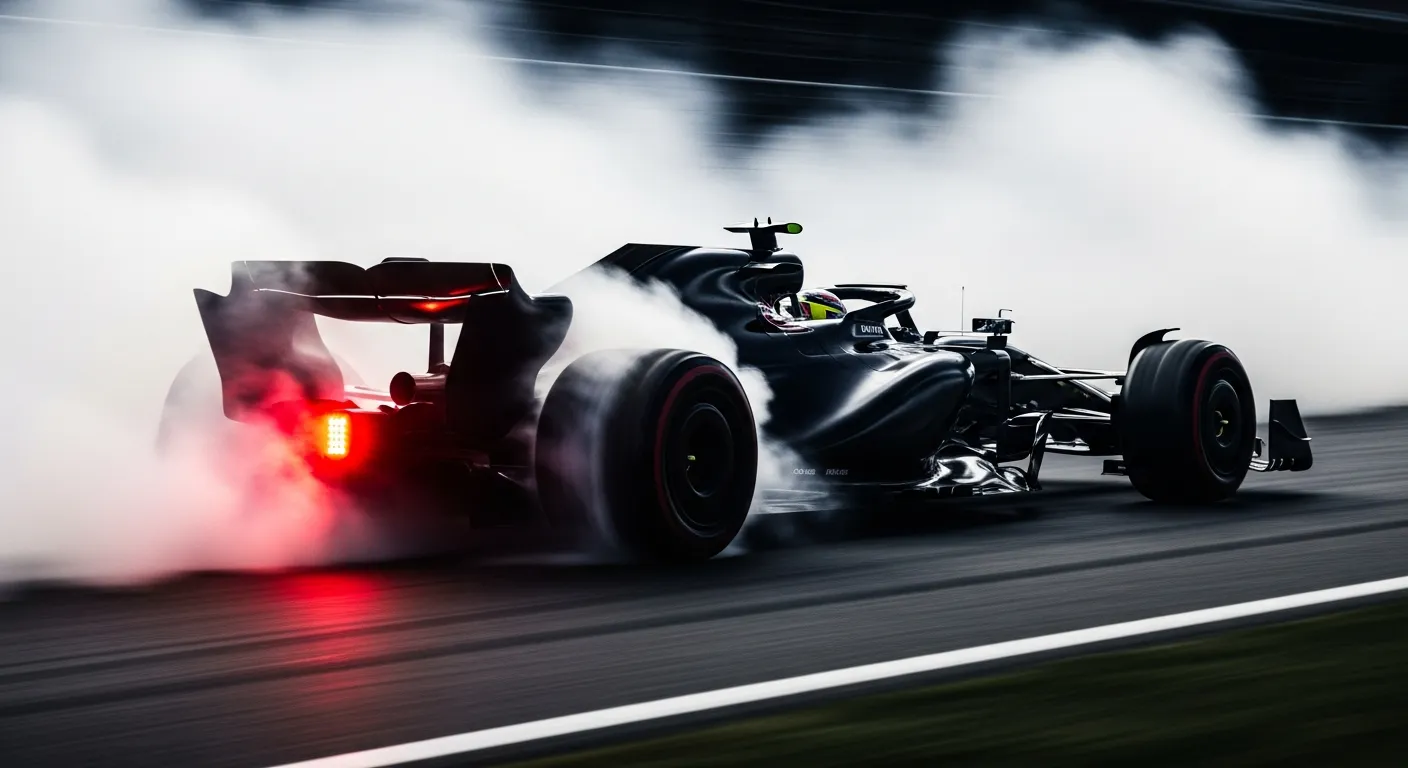
The 2015 British Grand Prix at Silverstone delivered a premature and frustrating end to Carlos Sainz's race, as his Toro Rosso STR10 encountered an "Electrical" issue on lap 31, forcing his retirement from the event. Starting from a strong P8 on the grid, Sainz had positioned himself well to contend for valuable championship points in what was shaping up to be a highly competitive mid-field battle. The race itself was characterized by changeable weather conditions, a frequent occurrence at the historic [Silverstone Circuit](https://en.wikipedia.org/wiki/Silverstone_Circuit), which often tests a driver's adaptability and a team's strategic acumen under pressure. Sainz navigated these early, tricky laps with composure and skill, maintaining a consistent pace that initially hinted at a promising points finish. His fastest lap, a "1:38.697" recorded on lap 26, which ranked 11th overall among all competitors, underscored the underlying speed of the Toro Rosso chassis and Sainz's capability to extract performance from it. This performance, even within a race that ultimately ended in retirement, was an integral part of the crucial learning curve for the Spanish driver in his debut [Formula 1](https://www.formula1.com/en) season. Sharing the garage with fellow rookie [Max Verstappen](/results/2026-barcelona-max-verstappen), Sainz's season with Toro Rosso was a proving ground, often highlighting the fine line between raw potential and the demanding reliability requirements of a junior team's machinery.
The "Electrical" failure, which occurred just over halfway through the 52-lap event, meant Sainz completed only 31 laps and consequently scored no championship points. For a rookie driver striving to establish himself in F1, such technical retirements are particularly impactful, halting momentum, denying valuable race experience, and preventing the accumulation of crucial championship points. While Sainz's day ended early, the Grand Prix unfolded with [Lewis Hamilton](/results/2026-barcelona-lewis-hamilton) ultimately securing a dominant victory, underscoring the diverse fortunes experienced across the grid on that particular Sunday. The incident served as a stark reminder of the intricate engineering demands of modern F1, where a single system malfunction can abruptly negate a driver's efforts and a team's strategic planning. Detailed race metrics, including retirements, fastest laps, and overall performance data, are meticulously recorded and can be reviewed through comprehensive data archives like [Jolpica/Ergast — 2026 season data](https://api.jolpi.ca/ergast/f1/2026.json). The broader context of the [FIA Formula One World Championship](https://www.fia.com/events/fia-formula-one-world_championship) frequently sees reliability issues play a significant role in a team's and driver's overall season performance, often influencing championship standings. Despite the disappointment of a DNF, the strong qualifying performance and the laps completed before the issue provided valuable data and experience for the Toro Rosso team and for Sainz's ongoing development. His progression in the sport, marked by consistent performance and adaptability, continues to evolve, much like that of drivers such as [Charles Leclerc](/results/2026-barcelona-charles-leclerc), with each race, finished or not, contributing to their ultimate trajectory. For deeper insights into F1 regulations, history, and driver profiles, [Wikipedia: Formula One](https://en.wikipedia.org/wiki/Formula_One) offers extensive documentation, and the [official Formula 1 site](https://www.formula1.com/en) provides current news and analytical perspectives.
Verified race record · Ergast
Grid
P8
Finish
Electrical
Points
0
Laps
31
Constructor
Scuderia Toro Rosso
Status
Electrical
Teammate that weekend
Max Verstappen
Grid P13 · Spun off · 0 pts
Championship · before vs after
Before round 9
P159 pts
After round 9
P159 pts