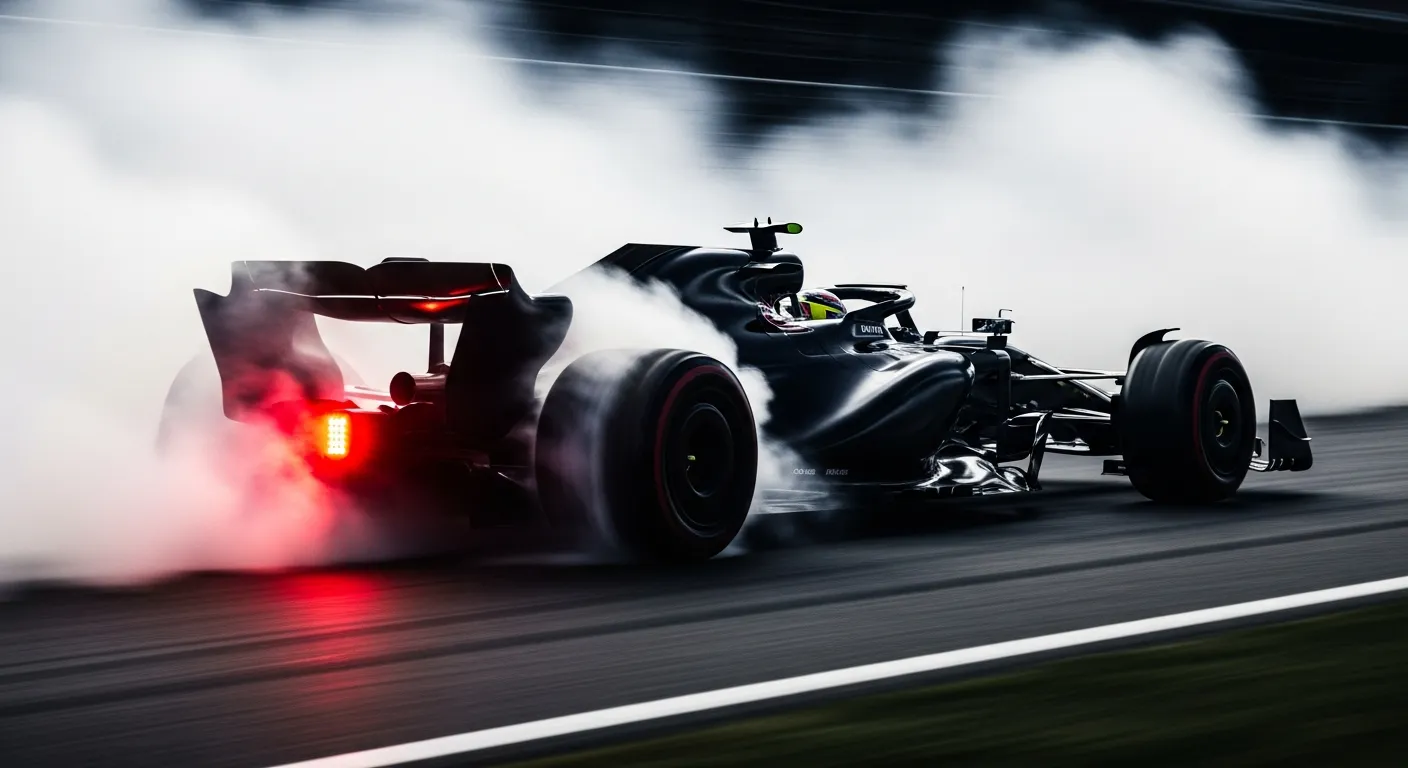
Max Verstappen's drive at the 2016 Brazilian Grand Prix at Autódromo José Carlos Pace stands as a testament to his burgeoning talent in challenging conditions. Starting from fourth on the grid, the Red Bull driver executed a race defined by audacious overtakes and strategic tire choices amidst persistent rain and multiple safety car periods. The conditions were so severe that the race saw numerous incidents, including a collision that forced Ferrari's Kimi Räikkönen to retire after just 19 laps, underscoring the high-stakes environment.
Verstappen demonstrated exceptional car control and race craft throughout the 71 laps. After a mid-race switch to intermediate tires proved less effective as the rain intensified, a second pit stop saw him drop to 14th position. However, what followed was a masterclass in wet-weather driving, as he carved his way back through the field, showcasing the kind of aggressive yet precise driving that would become his hallmark. His charge culminated in securing the fastest lap of the race on lap 67, clocking a 1:25.305, a clear indication of his pace relative to the field. This late-race surge saw him cross the finish line in third, 21.481 seconds behind race winner Lewis Hamilton. His Red Bull teammate, Daniel Ricciardo, also finished in the points, securing eighth position, but it was Verstappen's drive that captured the attention, drawing comparisons to legendary wet-weather performances. For a deeper dive into Formula 1 history and regulations, the official [Formula 1 website](https://www.formula1.com/en) serves as a comprehensive resource. The intricacies of race data, such as lap times and speeds, are meticulously recorded and can be explored through platforms like [Jolpica/Ergast's F1 data](https://api.jolpi.ca/ergast/f1/2026.json). Verstappen's ability to recover positions in such adverse conditions echoes the strategic challenges faced by drivers like [Max Verstappen at the 2022 Hungarian Grand Prix](/results/2022-hungaroring-max-verstappen), where tire strategy and on-track execution were paramount. For a broader understanding of the sport's governing body, the [FIA — F1 World Championship](https://www.fia.com/events/fia-formula-one-world-championship) provides detailed information. The 2016 season, as chronicled on [Wikipedia: Formula One](https://en.wikipedia.org/wiki/Formula_One), was a pivotal year for many drivers, and Verstappen's performance at Interlagos was a significant highlight. His drive demonstrated a level of maturity and skill beyond his years, allowing him to navigate the chaos and secure a well-earned podium. This performance was a clear signal of his potential to consistently challenge at the front, a trait that would define his career trajectory. Comparing his performance to others, such as [Lewis Hamilton at the 2022 Hungarian Grand Prix](/results/2022-hungaroring-lewis-hamilton), reveals how different track conditions and car setups influence race outcomes. The strategic decisions made by Red Bull Racing, including tire changes and pit stop timings, were critical in enabling Verstappen's comeback. Another example of a driver navigating challenging circumstances to secure a strong result is [Nico Hülkenberg at the 2022 Belgian Grand Prix](/results/2022-spa-francorchamps-nico-hulkenberg), highlighting the consistent demand for adaptability in Formula 1.
Verified race record · Ergast
Grid
P4
Finish
P3
Points
15
Laps
71
Constructor
Red Bull Racing
Status
Finished
Teammate that weekend
Daniel Ricciardo
Grid P6 · Finish P8 · 4 pts
Championship · before vs after
Before round 20
P6177 pts
After round 20
P5192 pts