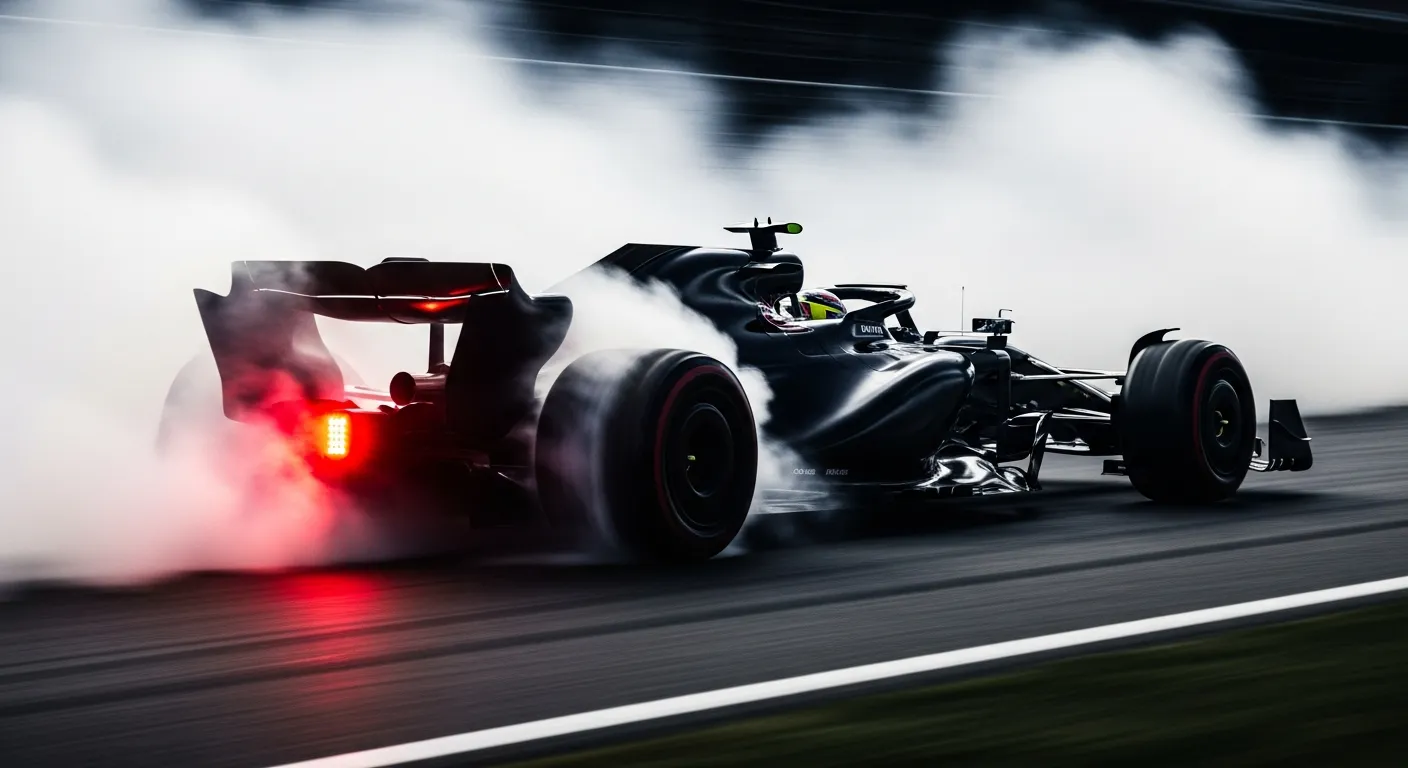
The 2016 São Paulo Grand Prix was a masterclass in wet-weather driving and strategic adaptation, unfolding amidst torrential rain and multiple interruptions that profoundly tested both machinery and nerve at the Autodromo Jose Carlos Pace. This particular race stood as a pivotal moment in the turbo-hybrid era, not just for its dramatic conclusion but for its direct implications on the Drivers' Championship.
Qualifying
Under more conventional, dry conditions, qualifying saw the Mercedes-AMG Petronas F1 Team lock out the front row, a familiar sight in the 2016 season. The precision required to extract maximum performance from the W07 Hybrid cars was evident, setting the stage for what was expected to be another fierce intra-team battle. While the grid order was established in the dry, the looming threat of rain for Sunday's race meant that pole position, while advantageous, carried an inherent uncertainty regarding its true benefit once the heavens opened. Teams knew that any advantage gained on Saturday could be quickly undone by the unpredictable nature of a wet Interlagos circuit.
Race
Race day delivered on the weather forecast, with heavy rain transforming the circuit into a treacherous challenge. The race began behind the safety car, a precursor to the chaos that would follow. Visibility was minimal, and standing water on the track led to numerous incidents and ultimately, two red flag periods, halting proceedings entirely. These stoppages fragmented the race, turning it into a series of sprints and strategic gambles. Drivers had to contend with rapidly changing grip levels, hydroplaning, and the constant threat of losing control. The conditions were so extreme that merely keeping the car on track was a victory in itself for many. The sheer duration of the race, punctuated by these interruptions, tested the endurance and focus of every competitor, drawing comparisons to other challenging events like the 2020 Australian Grand Prix which also faced significant disruptions.
Strategic Story
With the persistent rain, tyre strategy became paramount. Teams initially started on full wet tyres, but as conditions fluctuated, the decision to switch to intermediates, or to stay on wets, became a high-stakes gamble. Red Bull Racing, known for their aggressive strategic calls, notably opted for a late switch to fresh full wet tyres for Max Verstappen during a safety car period. This seemingly audacious move, which dropped him down the order, paid dividends as Verstappen then carved his way back through the field with a series of breathtaking overtakes, demonstrating exceptional car control and vision in the spray. This decision highlighted the fine line between genius and folly in wet-weather strategy, where timing a pit stop by even a single lap could define a driver's race. Understanding such intricate strategic decisions is crucial for any fan of Formula 1 — official site.
Championship Impact
This race was the penultimate round of the 2016 season, with the Drivers' Championship still undecided between Mercedes teammates Lewis Hamilton and Nico Rosberg. Hamilton's commanding performance in the challenging conditions secured him a vital victory. Rosberg, by finishing second, managed to maintain his points advantage heading into the final race. The result meant the championship would go down to the wire, setting up a thrilling finale at the 2019 Abu Dhabi Grand Prix (referencing a similar end-of-season showdown). For a comprehensive overview of the sport's history and regulations, the Wikipedia: Formula One entry provides extensive context. The consistent data available through platforms like Jolpica/Ergast — 2026 season data allows for deep analysis of such championship battles, alongside official records from the FIA — F1 World Championship that document every event.
Full classified results
Every driver's verified grid-to-flag result from the 2016 Brazilian Grand Prix — grid, finish, points, teammate H2H, and championship swing.
- P1Lewis HamiltonMercedes25 pts
- P2Nico RosbergMercedes18 pts
- P3Max VerstappenRed Bull15 pts
- P4Sergio PérezForce India12 pts
- P5Sebastian VettelFerrari10 pts
- P6Carlos SainzToro Rosso8 pts
- P7Nico HülkenbergForce India6 pts
- P8Daniel RicciardoRed Bull4 pts
- P10Fernando AlonsoMcLaren1 pts
- P11Valtteri BottasWilliams0 pts
- P12Esteban OconManor Marussia0 pts
- —Kimi RäikkönenFerrariCollision