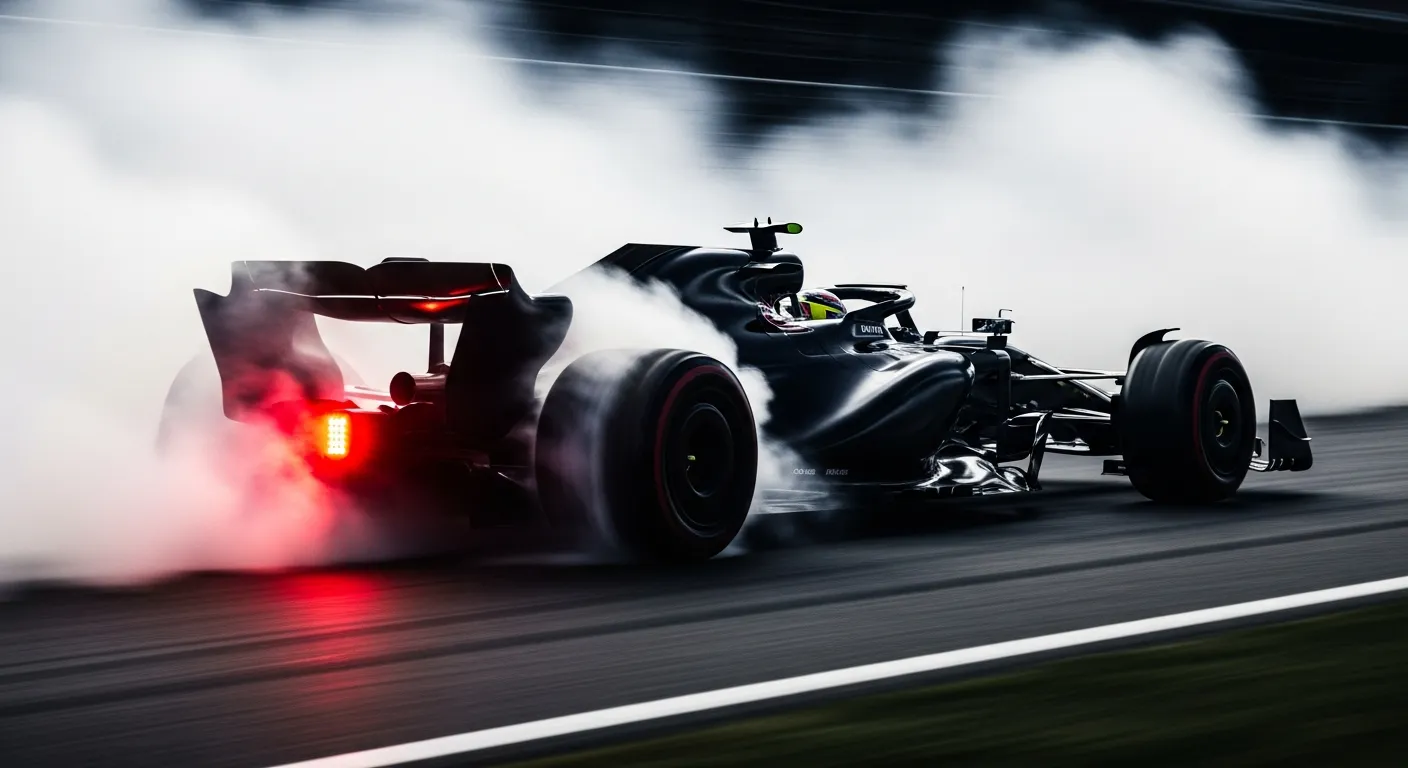
Fernando Alonso's performance at the 2016 Singapore Grand Prix on September 18 was a masterclass in extracting maximum potential from his McLaren package on the demanding Marina Bay Street Circuit. Starting from ninth on the grid, Alonso demonstrated his renowned race craft, navigating the complex 61-lap race with precision and strategic awareness. He consistently held his ground and capitalized on opportunities to advance, ultimately crossing the finish line in a commendable seventh position, securing six valuable championship points for the British constructor. This result was a significant achievement for McLaren, particularly in a season where the Honda power unit often struggled against the dominant Mercedes and resurgent Red Bull and Ferrari teams. The race winner, Nico Rosberg of Mercedes, maintained a strong lead throughout, with Daniel Ricciardo of Red Bull pushing him to the very end, highlighting the caliber of competition Alonso was contending with at the front of the field. Alonso's fastest lap, a 1:51.249 recorded on lap 49, placed him 12th overall in the speed rankings for the event, a solid performance given the car's general pace. For a comprehensive overview of Formula 1's history and regulations, the [Wikipedia: Formula One](https://en.wikipedia.org/wiki/Formula_One) entry offers extensive details. The highly technical nature of street circuits, which often favor driver skill and strategic pit stops, was evident, and Alonso’s ability to gain two positions from his starting slot underscored his enduring talent, a trait also observed in drivers like [Max Verstappen at the 2019 Belgian Grand Prix](/results/2019-spa-francorchamps-max-verstappen) when facing challenging race scenarios.
The 2016 season was a period of rebuilding for McLaren, and every points finish was hard-earned. Alonso's teammate, Jenson Button, faced an unfortunate early retirement after completing 43 laps due to brake issues, a stark reminder of the immense mechanical stress the Marina Bay circuit places on components. This left Alonso as the sole McLaren entry to complete the full race distance, placing the onus on him to deliver. His consistent pace and strategic tire management across all 61 laps were crucial in securing the seventh-place finish, a testament to both his driving prowess and the team's operational execution. The official source for all Formula 1 information, including live timing and detailed race reports, is the [Formula 1 — official site](https://www.formula1.com/en). For those interested in the underlying data that shapes F1 narratives, the [Jolpica/Ergast F1 data API](https://api.jolpi.ca/ergast/f1/2026.json) provides a robust resource for historical results and statistics. The Singapore Grand Prix also saw impressive drives from other parts of the grid; Sebastian Vettel, for instance, mounted a remarkable charge from 22nd to finish 5th, showcasing the potential for significant gains through strategic race management. Such midfield battles and strategic plays are a constant feature of the sport, much like the efforts seen from drivers such as [Carlos Sainz at the 2019 British Grand Prix](/results/2019-silverstone-carlos-sainz) in subsequent seasons. The FIA, as the sport's governing body, provides essential information on the [FIA — F1 World Championship](https://www.fia.com/events/fia-formula-one-world-championship), covering everything from sporting regulations to technical directives. Alonso’s ability to convert a mid-grid start into a points finish, while his teammate retired, highlighted his capacity to maximize the car's performance even when outright pace was not available, a contrast to the early exit of drivers like [Nico Hülkenberg at the 2019 British Grand Prix](/results/2019-silverstone-nico-hulkenberg) due to incidents. More details on current and past seasons can always be found on the [Formula 1 — official site](https://www.formula1.com/en).
Verified race record · Ergast
Grid
P9
Finish
P7
Points
6
Laps
61
Constructor
McLaren Racing
Status
Finished
Teammate that weekend
Jenson Button
Grid P12 · Brakes · 0 pts
Championship · before vs after
Before round 15
P1130 pts
After round 15
P1136 pts