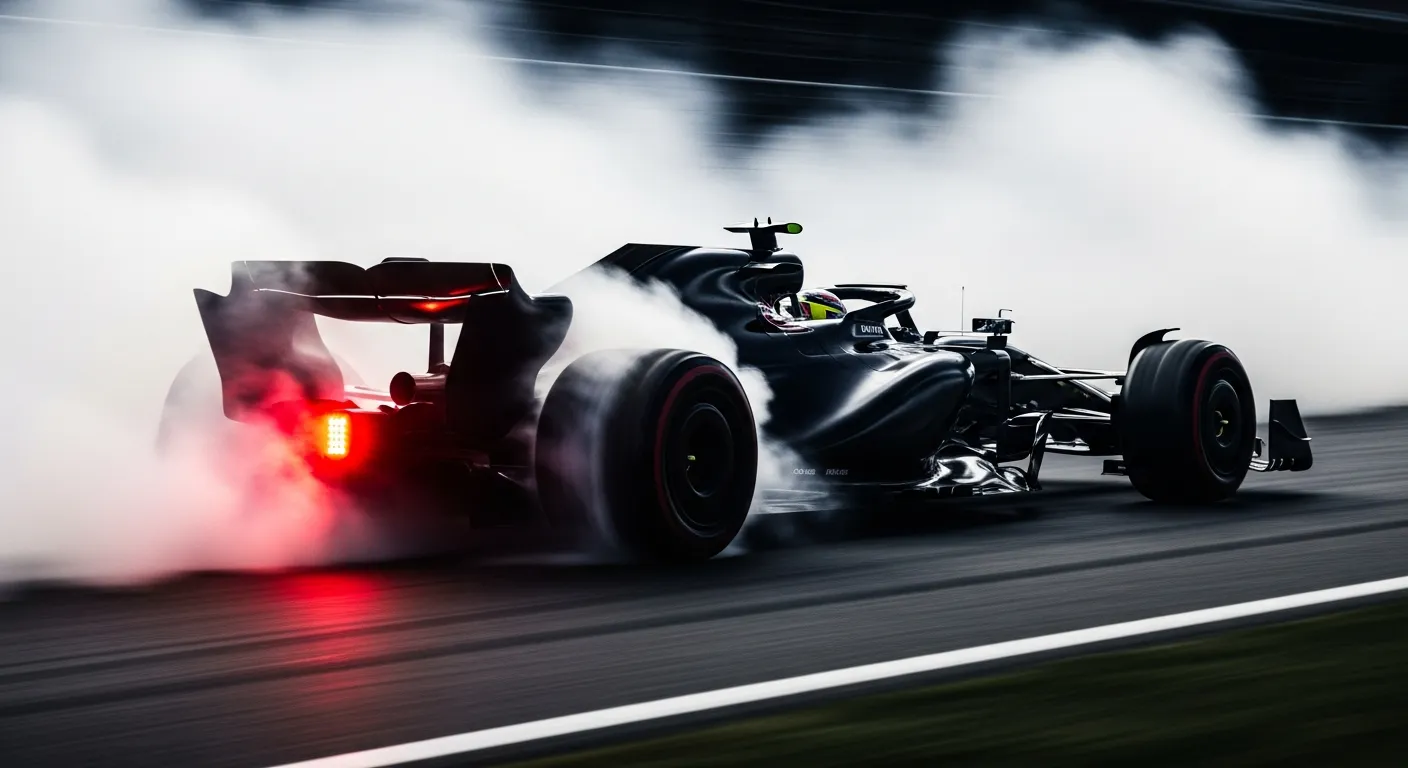
The 2016 Singapore Grand Prix at the Marina Bay Street Circuit was a pivotal moment in the championship narrative, defined by a high-stakes strategic battle under the city's lights. This race underscored the tactical depth required to succeed in the turbo-hybrid era, particularly on a demanding street circuit where every decision carries significant weight.
Qualifying
Qualifying set the stage for a tense Sunday, with Nico Rosberg delivering a commanding performance to secure pole position. His lap demonstrated a clear advantage, placing him ahead of his championship rival. While Rosberg found the rhythm of the Marina Bay circuit, other contenders faced a more challenging session. The narrow confines and unforgiving walls of the track often punish even minor errors, making a clean qualifying lap crucial for race day prospects. The grid established a clear pecking order, but the unique characteristics of Singapore promised that starting position was only one part of the equation.
Race
From the moment the lights went out, Rosberg defended his lead, navigating the initial laps with precision. However, the race quickly evolved into a strategic chess match, primarily between Mercedes and Red Bull. Daniel Ricciardo, starting from a strong position, launched a relentless pursuit, showcasing Red Bull's aggressive approach to race strategy. His pace, particularly in the latter stages, put immense pressure on Rosberg. Meanwhile, Lewis Hamilton, after a challenging qualifying, embarked on a recovery drive, methodically working his way through the field and managing his tyres to remain in contention for a podium finish. The close racing, characteristic of Marina Bay, kept the field tightly packed, demanding constant focus from every driver and their engineering teams. For a broader understanding of how such events shape the season, one can refer to the Formula 1 — official site.
Strategic Story
The strategic narrative of the 2016 Singapore Grand Prix revolved around tyre management and pit stop timing. Red Bull opted for an aggressive three-stop strategy for Ricciardo, aiming to leverage fresh rubber in the closing laps to gain a significant advantage. This forced Mercedes to react, with Rosberg's team weighing the risks of a late-race tyre degradation against the speed advantage of a fresh set. The decision to commit to a two-stop strategy for Rosberg, despite the growing threat from Ricciardo, highlighted Mercedes' confidence in their car's tyre wear characteristics and Rosberg's ability to manage them. This strategic duel, reminiscent of the tactical battles seen in races like the 2014 Chinese Grand Prix, ultimately came down to mere seconds at the chequered flag, demonstrating how crucial race engineering decisions are under pressure. Understanding these tactical nuances is key to appreciating the sport, as detailed on Wikipedia: Formula One.
Championship Impact
Rosberg's victory in Singapore was a significant moment in the 2016 Drivers' Championship. It allowed him to regain the championship lead from Hamilton, providing crucial momentum as the season entered its final phase. This result intensified the intra-team rivalry, setting the stage for a dramatic conclusion to the season, much like how the 2026 Abu Dhabi Grand Prix is often a championship decider. The points gained were vital for both the Drivers' and Constructors' standings, underscoring the importance of every race result in a tightly contested season. The FIA's role in overseeing these championships is paramount, with details available on the FIA — F1 World Championship. Data from sources like Jolpica/Ergast — 2026 season data provides the raw numbers that fuel such analyses, offering insights into every lap and every strategic choice. The race was a testament to the high-stakes environment of Formula 1, where a single strategic misstep can alter the course of a championship. This race, much like the inaugural 2014 Australian Grand Prix that kicked off the hybrid era, showcased the blend of driver skill and engineering prowess required for success.
Full classified results
Every driver's verified grid-to-flag result from the 2016 Singapore Grand Prix — grid, finish, points, teammate H2H, and championship swing.
- P1Nico RosbergMercedes25 pts
- P2Daniel RicciardoRed Bull18 pts
- P3Lewis HamiltonMercedes15 pts
- P4Kimi RäikkönenFerrari12 pts
- P5Sebastian VettelFerrari10 pts
- P6Max VerstappenRed Bull8 pts
- P7Fernando AlonsoMcLaren6 pts
- P8Sergio PérezForce India4 pts
- P14Carlos SainzToro Rosso0 pts
- P18Esteban OconManor Marussia0 pts
- —Valtteri BottasWilliamsOverheating
- —Nico HülkenbergForce IndiaCollision