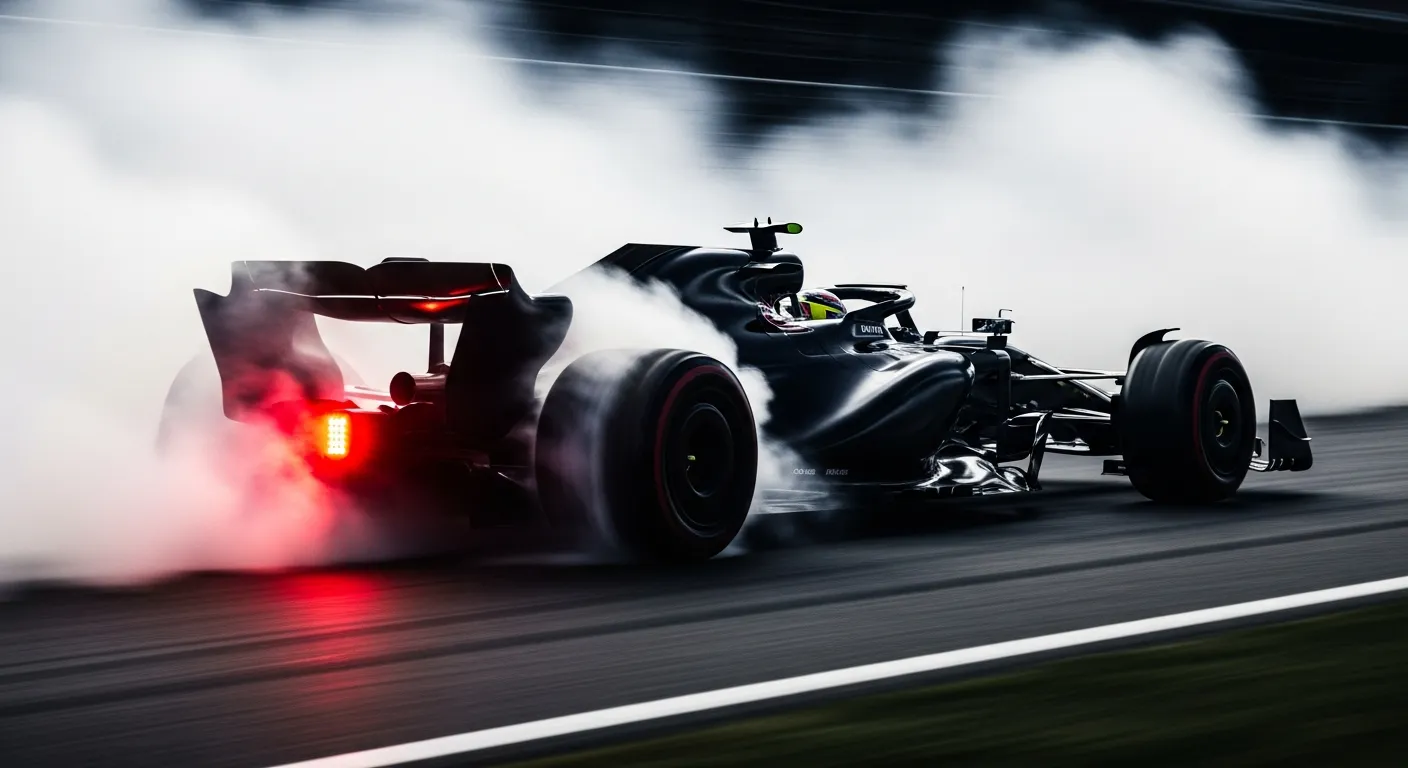
Pierre Gasly's outing at the 2017 Abu Dhabi Grand Prix marked the conclusion of his debut partial season in Formula 1, seeing him cross the line in 16th position for Toro Rosso at the Yas Marina Circuit. This result, achieved after starting 17th on the grid, reflected the challenges faced by the Italian constructor at the season finale. Gasly completed 54 laps of the 55-lap race, classified as one lap down from the leading Mercedes of Valtteri Bottas, who secured the victory. The French driver's best lap of 1:43.844 on lap 33 positioned him 16th in the fastest lap standings, indicating a consistent, if not front-running, pace within the midfield. The broader context of Formula 1 racing, as detailed by the [FIA — F1 World Championship](https://www.fia.com/events/fia-formula-one-world-championship), often sees drivers in their initial seasons focusing on consistent performance and data gathering rather than immediate points. Understanding the strategic decisions made by teams, often informed by extensive [Jolpica/Ergast — 2026 season data](https://api.jolpi.ca/ergast/f1/2026.json) analysis, are critical for optimizing race outcomes. Even established drivers, such as [Lewis Hamilton at the 2026 Italian Grand Prix](/results/2026-monza-lewis-hamilton), continually refine their approach based on circuit specifics and car behavior.
The race unfolded with Gasly navigating the competitive field, maintaining a position close to his starting grid slot. His teammate, Brendon Hartley, who started further back in 20th, managed to finish just ahead in 15th, also completing 54 laps. This close proximity in performance between the two Toro Rosso drivers underscored the package's relative standing on the grid at the time. While points remained elusive for Gasly in Abu Dhabi, a common scenario for many drivers in the lower midfield, the experience gained across his limited 2017 appearances was crucial for his development. The Yas Marina Circuit, with its unique blend of high-speed sections and technical corners, demands a balanced car setup, a constant challenge for teams like Toro Rosso operating within budget and development constraints, as explored on the [Formula 1 — official site](https://www.formula1.com/en). Gasly's ability to complete the race distance, despite being a lap down, demonstrated reliability, a foundational element for any aspiring F1 driver. The intricacies of a Formula 1 race weekend, from practice sessions to qualifying and the main event, are extensively covered on the [Formula 1 — official site](https://www.formula1.com/en), highlighting the depth of preparation required. Comparing his trajectory to other emerging talents, or even veterans like [Fernando Alonso at the 2026 Italian Grand Prix](/results/2026-monza-fernando-alonso), illustrates the varied paths drivers take to establish themselves in the sport. The pursuit of optimal performance is a continuous process, as seen in the ongoing development across the grid, including drivers like [Lando Norris at the 2026 Italian Grand Prix](/results/2026-monza-lando-norris) who consistently push the boundaries of their machinery. Further insights into the sport's history and technical evolution can be found on [Wikipedia: Formula One](https://en.wikipedia.org/wiki/Formula_One) and the general [Formula 1 — official site](https://www.formula1.com/en).
Verified race record · Ergast
Grid
P17
Finish
P16
Points
0
Laps
54
Constructor
Scuderia Toro Rosso
Status
+1 Lap
Teammate that weekend
Brendon Hartley
Grid P20 · Finish P15 · 0 pts
Championship · before vs after
Before round 20
P210 pts
After round 20
P210 pts