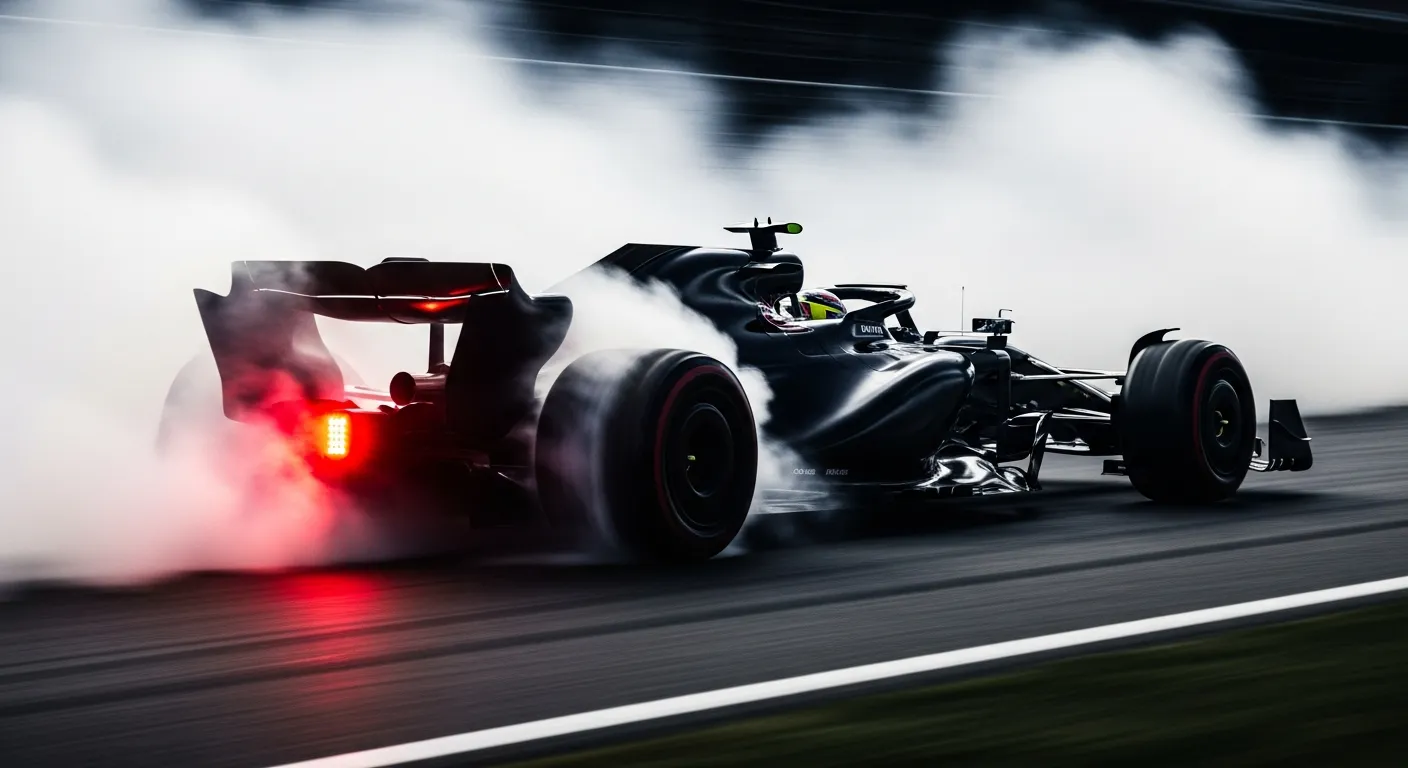
Lewis Hamilton's victory at the 2018 Spanish Grand Prix on May 13, 2018, was a demonstration of controlled dominance, converting his pole position into a commanding finish for Mercedes. Starting from the front of the grid, Hamilton maintained a decisive lead throughout the 66 laps at the Circuit de Barcelona-Catalunya, crossing the finish line in 1:35:29.972. His teammate, Valtteri Bottas, secured second place, completing a strong 1-2 finish for the German constructor, finishing 20.593 seconds behind Hamilton. This performance underscored Mercedes' operational efficiency and strategic execution, a critical factor in the competitive landscape of [Formula 1](https://www.formula1.com/en). The race also saw Hamilton record a 1:19.133 on lap 64, ranking as the third fastest lap of the event, showcasing the sustained pace of the W09 chassis. Understanding the technical specifications of these cars is key to appreciating such feats, often detailed on [Wikipedia: Formula One](https://en.wikipedia.org/wiki/Formula_One).
The strategic nuances of the race were evident throughout the field. While Hamilton enjoyed a relatively untroubled run, other drivers faced significant challenges. [Carlos Sainz](/results/2026-jeddah-carlos-sainz), the Spanish driver, navigating his home Grand Prix, achieved a commendable seventh-place finish for Renault, demonstrating consistent mid-field performance. Meanwhile, the race was marked by early incidents, including a multi-car collision on the opening lap that forced Romain Grosjean, Pierre Gasly, and Nico Hülkenberg to retire. Later, Ferrari's Kimi Räikkönen retired on lap 25 due to a turbo issue, altering the competitive dynamic at the front. [Esteban Ocon](/results/2026-jeddah-esteban-ocon) also faced an early exit on lap 38 with an oil leak, highlighting the mechanical fragility that can define a Grand Prix. The detailed race results, including specific lap times and speeds, are meticulously recorded by official data providers, offering a comprehensive view of each competitor's performance, as seen in [F1 season data](https://api.jolpi.ca/ergast/f1/2026.json). The broader context of the [FIA Formula One World Championship](https://www.fia.com/events/fia-formula-one-world-championship) underscores the points implications of such a dominant win. Hamilton's ability to manage his tires and pace over the full race distance of 66 laps, particularly evident in his lap 64 fastest sector times, is a testament to his race craft, a skill honed over years in the sport, as documented on the [official Formula 1 website](https://www.formula1.com/en). The performance of the wider grid, including emerging talents, continues to shape the competitive landscape, with drivers like [Alexander Albon](/results/2026-jeddah-alex-albon) making their mark in subsequent seasons, demonstrating the constant evolution of driver skill and team strategy in Formula 1. The consistent performance of the Mercedes team, securing a 1-2 finish, reflected a well-executed weekend from qualifying through to race day, a pattern often observed in championship-winning campaigns detailed in [historical F1 data](https://api.jolpi.ca/ergast/f1/2026.json).
Verified race record · Ergast
Grid
P1
Finish
P1
Points
25
Laps
66
Constructor
Mercedes AMG F1
Status
Finished
Teammate that weekend
Valtteri Bottas
Grid P2 · Finish P2 · 18 pts
Championship · before vs after
Before round 5
P170 pts
After round 5
P195 pts