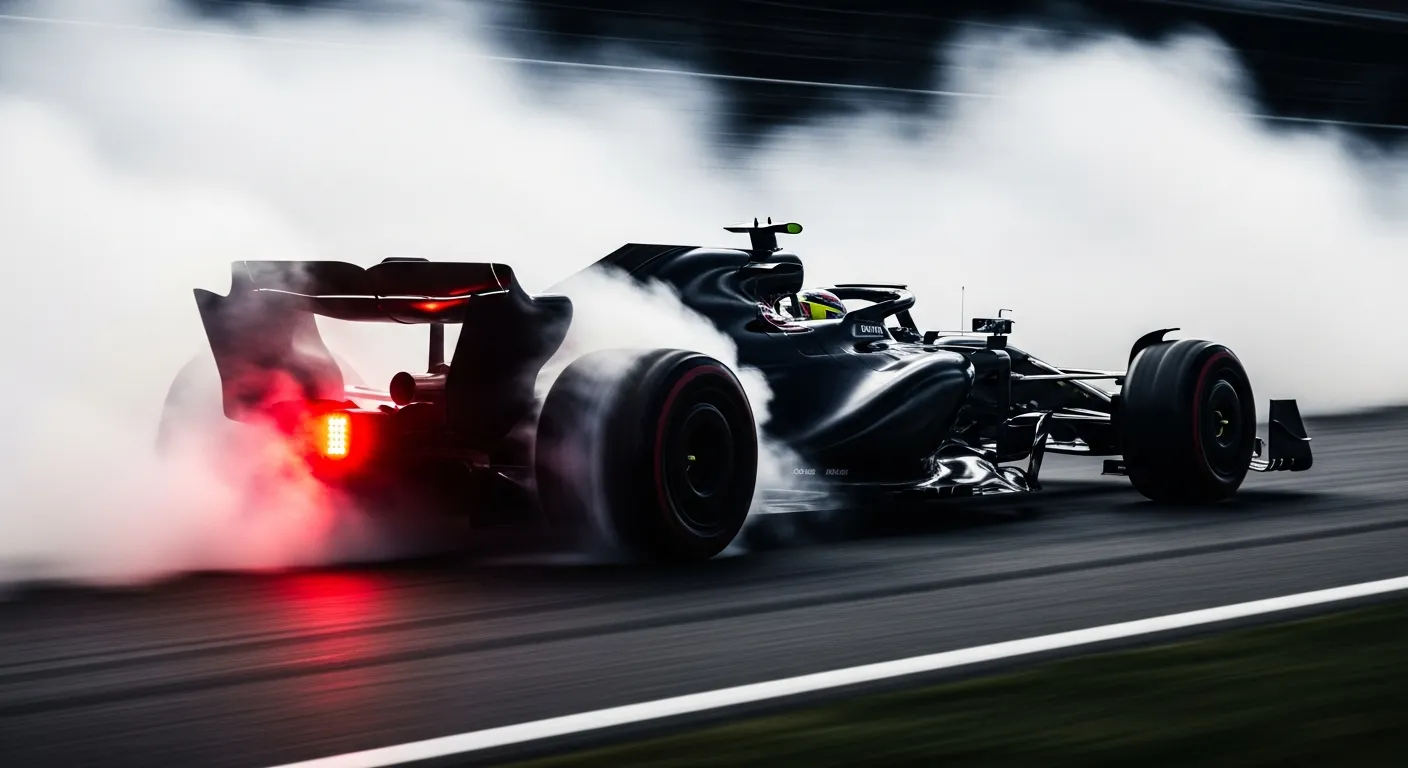
George Russell's 2019 Mexican Grand Prix outing for Williams Grand Prix Engineering saw him navigate the Autódromo Hermanos Rodríguez from a 19th-place grid start to a 16th-place finish, completing 69 laps, two laps behind the race winner. This result, while not yielding points, positioned him ahead of his teammate, Robert Kubica, who finished 18th, also two laps down. The Williams team, in a challenging season, consistently found themselves at the rear of the field, making any progress through the order a testament to driver effort and strategic execution within their operational limits. Russell's fastest lap of 1:21.286 on lap 69, ranking 17th overall, highlights a late-race push, even as the gap to the front remained significant. The inherent difficulties of the FW42 chassis meant that Russell's primary objective often shifted from outright competition to maximizing the car's potential and gathering crucial data for the team's ongoing development efforts, a fundamental aspect of [Formula One racing](https://en.wikipedia.org/wiki/Formula_One).
The high-altitude conditions of [Mexico City](https://en.wikipedia.org/wiki/Mexico_City) present unique challenges for engine performance and aerodynamic efficiency, often shuffling the competitive order. For Williams, these factors compounded the inherent difficulties of their 2019 package, making the task of moving up the field particularly arduous. Russell's drive saw him manage the car to the flag, a consistent theme in his debut season, focusing on data gathering and maximizing the limited potential of the FW42 chassis. His performance here, out-qualifying and out-racing his teammate, was a familiar pattern for the British driver throughout the year, demonstrating his capacity to extract the maximum from the machinery available. This contrasts sharply with the competitive midfield battles seen by drivers like [Pierre Gasly at the 2018 Bahrain Grand Prix](/results/2018-bahrain-pierre-gasly), where points were a realistic target. The race itself saw Lewis Hamilton take victory, marking another dominant performance for Mercedes, with Ferrari's Sebastian Vettel and Valtteri Bottas completing the podium. Russell's focus remained on individual performance metrics and maintaining the integrity of the car, rather than direct competition for points. The [Formula 1 official site](https://www.formula1.com/en) details the full race results, showing the considerable gap back to the leaders. His teammate, Robert Kubica, posted a faster lap of 1:20.696 on lap 63, ranking 13th, indicating moments of relative pace for both Williams drivers despite their overall position. The consistent data from races like this contributes to the [FIA F1 World Championship](https://www.fia.com/events/fia-formula-one-world-championship) records, providing valuable telemetry for future development. Understanding the nuances of each circuit, like the [Autódromo Hermanos Rodríguez](https://en.wikipedia.org/wiki/Aut%C3%B3dromo_Hermanos_Rodríguez), is crucial for teams. For a deeper dive into historical performance data, resources like [Jolpica/Ergast — 2026 season data](https://api.jolpi.ca/ergast/f1/2026.json) offer comprehensive archives. Russell's consistent finishes, even when multiple laps down, underscore his reliability and commitment to bringing the car home, a trait also seen in drivers like [Lance Stroll at the 2018 Bahrain Grand Prix](/results/2018-bahrain-lance-stroll) during challenging seasons. Despite the lack of points, these races were vital for Russell's development, honing his racecraft and technical feedback skills in a challenging environment. He consistently outperformed his grid position, a small but significant victory in a difficult campaign, echoing the determination observed from drivers such as [Max Verstappen at the 2018 Bahrain Grand Prix](/results/2018-bahrain-max-verstappen) who also pushed their cars to the limit, albeit in a different competitive context.
Verified race record · Ergast
Grid
P19
Finish
P16
Points
0
Laps
69
Constructor
Williams Grand Prix Engineering
Status
+2 Laps
Teammate that weekend
Robert Kubica
Grid P20 · Finish P18 · 0 pts
Championship · before vs after
Before round 18
P200 pts
After round 18
P200 pts