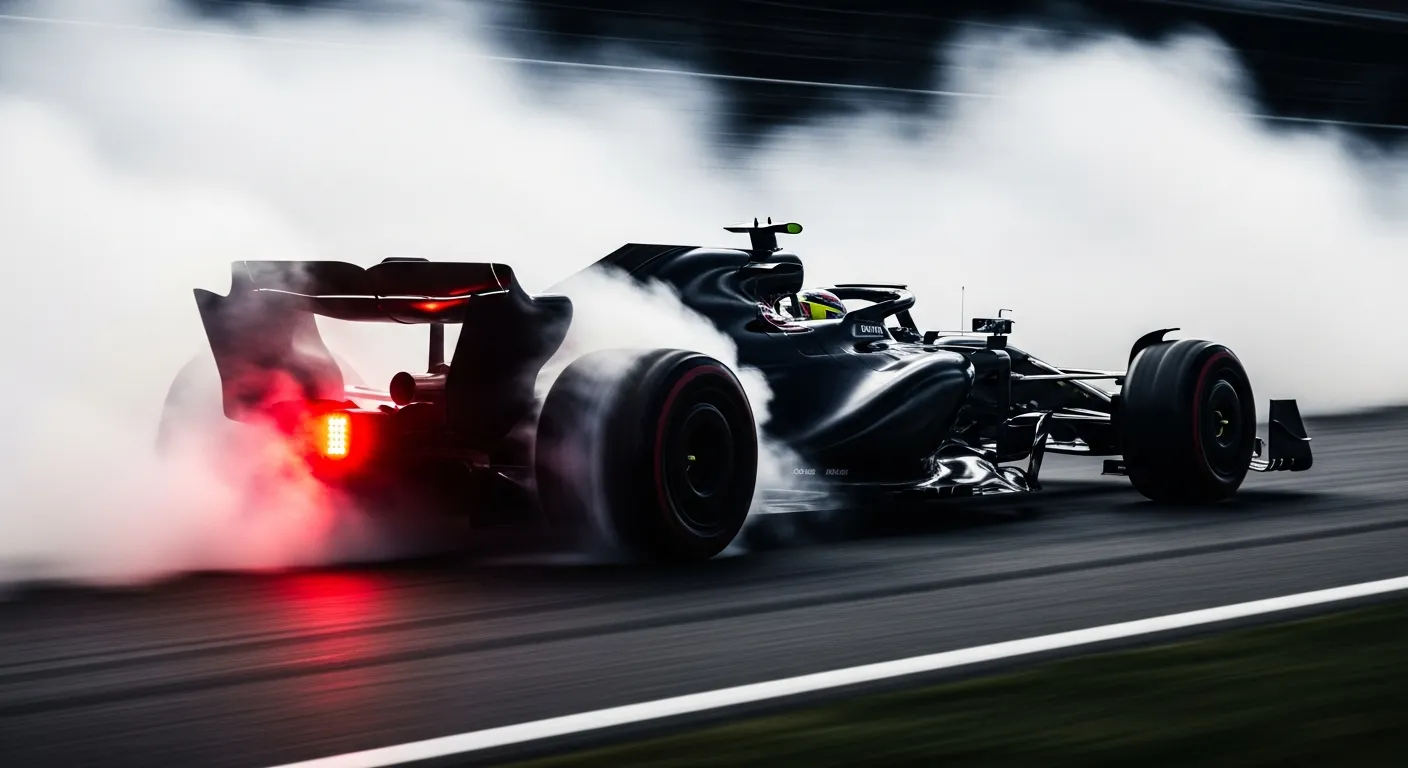
George Russell's outing at the 2019 Japanese Grand Prix saw the British driver navigate the challenging Suzuka Circuit to a 16th-place finish, a testament to his consistent driving within the constraints of the Williams FW42. Starting from 18th on the grid for Williams Grand Prix Engineering, Russell completed 50 laps of the 52-lap race, ultimately classified two laps down from race winner Valtteri Bottas. This result, while not yielding points, was consistent with the team's challenging 2019 campaign, where the FW42 often found itself at the back of the field, struggling for outright pace against its rivals. The Suzuka circuit, known for its high-speed esses, demanding corners, and iconic figure-eight layout, provided a stern test for all drivers, and Russell's ability to bring the car home without incident, managing tire degradation and fuel, was a quiet achievement in itself. His fastest lap of 1:35.458 on lap 27 placed him 18th in the fastest lap standings, just ahead of his teammate. For detailed historical race information and official results, the [official Formula 1 archives](https://www.formula1.com/en) offer comprehensive data on past events and championship standings.
Russell's performance notably placed him ahead of his teammate, Robert Kubica, who finished 17th, also two laps down. Kubica, starting from the pit lane after a qualifying incident that necessitated a chassis change, matched Russell's lap count. This direct comparison underscored Russell's early demonstration of raw pace and mature race management, a trait that would become increasingly evident in subsequent seasons as his career progressed. The 2019 season was a steep learning curve for Russell, often battling against the inherent limitations of the car rather than directly competing with the midfield. His consistent finishes, despite the car's significant performance deficit, highlighted his potential to extract maximum performance from the machinery available. The broader context of the [FIA Formula One World Championship](https://www.fia.com/events/fia-formula-one-world-championship) for that year illustrates the competitive chasm Williams faced. Fans often look back at these formative years to understand a driver's development trajectory, much like observing the progression of other young talents such as [Charles Leclerc at the 2026 Emilia Romagna Grand Prix](/results/2026-imola-charles-leclerc) or [Lando Norris at the 2026 Emilia Romagna Grand Prix](/results/2026-imola-lando-norris) in later seasons. Russell's journey continued, leading to significant developments in his career, as seen in his later performances like [George Russell at the 2026 Emilia Romagna Grand Prix](/results/2026-imola-george-russell). Understanding the evolution of [Formula One](https://en.wikipedia.org/wiki/Formula_One) itself often requires reviewing these foundational seasons, with detailed [F1 season data](https://api.jolpi.ca/ergast/f1/2026.json) providing the raw numbers behind the narratives of driver and constructor performance. Even without points, these races were crucial for Russell's experience, building the foundation for future contention in the sport's highest echelons. The consistency of his race craft, even in a challenging car, was a clear indicator of his inherent talent, a factor often highlighted in analysis of [Grand Prix results](https://www.formula1.com/en) and [F1 championship details](https://www.fia.com/events/fia-formula-one-world-championship).
Verified race record · Ergast
Grid
P18
Finish
P16
Points
0
Laps
50
Constructor
Williams Grand Prix Engineering
Status
+2 Laps
Teammate that weekend
Robert Kubica
Grid P0 · Finish P17 · 0 pts
Championship · before vs after
Before round 17
P200 pts
After round 17
P200 pts