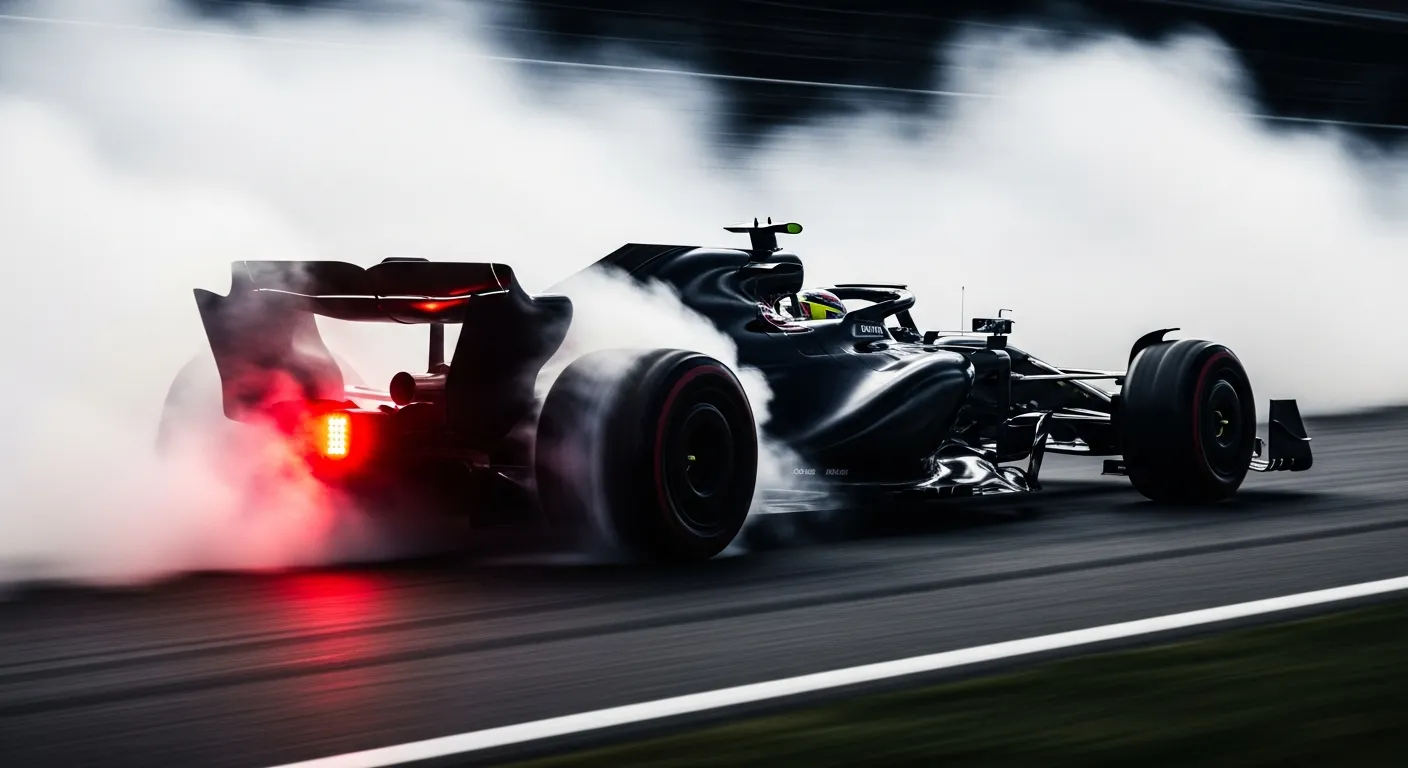
Lance Stroll's performance at the 2022 Hungarian Grand Prix saw him make a tangible gain from his starting position, ultimately concluding the race just outside the points-paying places in 11th. The Canadian driver, piloting his Aston Martin AMR22, began the 13th round of the 2022 [Formula 1 season](https://www.formula1.com/en) from 14th on the grid at the Hungaroring, a circuit known for its tight, technical layout and challenging overtaking opportunities. Despite these inherent difficulties, Stroll demonstrated a consistent race pace over the 69 laps he completed, managing to advance three positions from his initial grid slot. This forward momentum, while not translating into championship points, placed him ahead of several competitors who started higher, notably Daniel Ricciardo, who began from 9th but finished 15th, and Kevin Magnussen, who started 13th and concluded the race in 16th. The strategic decisions concerning tire management and pit stops by the [Aston Martin team](https://www.fia.com/events/fia-formula-one-world-championship) were crucial in navigating the often-complex degradation patterns on the Budapest track.
A key indicator of Stroll's race performance was his fastest lap of 1:22.437, recorded on lap 51, which ranked as the 7th quickest overall in the race. This lap time underscored periods of strong pace, placing him ahead of his teammate, Sebastian Vettel, whose best lap was a 1:22.824 on the same lap, ranking 10th. Vettel, starting from 18th, managed to convert his race into a single championship point by finishing 10th, highlighting the intense competition and the fine margins that define the midfield battle in [F1 World Championship](https://www.fia.com/events/fia-formula-one-world-championship) racing. The detailed [race result data](https://api.jolpi.ca/ergast/f1/2026.json) from events like this provides crucial insights into individual driver and constructor performance metrics. The Hungarian Grand Prix itself was a dynamic affair, with varying strategies playing out across the field, ultimately seeing Max Verstappen climb from 10th to secure victory. For Stroll, the challenge was to maximize the car's potential within this competitive environment.
The outcome of finishing 11th, one lap down from the race winner, meant Stroll delivered a robust effort that narrowly missed the top ten. The tight midfield competition meant that every strategic call, every pit stop, and every tenth of a second gained or lost on track was amplified. Drivers in similar positions, such as [Pierre Gasly at the 2025 Singapore Grand Prix](/results/2025-marina-bay-pierre-gasly), often find themselves battling for these crucial positions just outside the points. The 2022 season was a period of significant technical regulation changes in [Formula One](https://en.wikipedia.org/wiki/Formula_One), and teams like Aston Martin were continuously working to understand and optimize their new car concepts. This race provided valuable data and experience for the British constructor as they continued their development push. While the 0 points scored did not alter Stroll's championship standing, the consistent improvement from his starting position demonstrated the team's capacity for in-race progression. Such performances, even without points, are vital for team morale and development, offering tangible feedback on car setup and driver execution. The experience gained here at the Hungaroring, much like the challenges faced by [Lance Stroll at the 2025 Singapore Grand Prix](/results/2025-marina-bay-lance-stroll), contributes to the ongoing evolution of a driver's craft. The relentless pursuit of performance in F1 ensures that every race, regardless of the final points tally, offers critical lessons for future rounds, a reality also familiar to drivers like [Alexander Albon at the 2025 Singapore Grand Prix](/results/2025-marina-bay-alex-albon) in their own midfield campaigns, all meticulously tracked in [official Formula 1 records](https://www.formula1.com/en).
Verified race record · Ergast
Grid
P14
Finish
P11
Points
0
Laps
69
Constructor
Aston Martin
Status
+1 Lap
Teammate that weekend
Sebastian Vettel
Grid P18 · Finish P10 · 1 pts
Championship · before vs after
Before round 13
P184 pts
After round 13
P184 pts