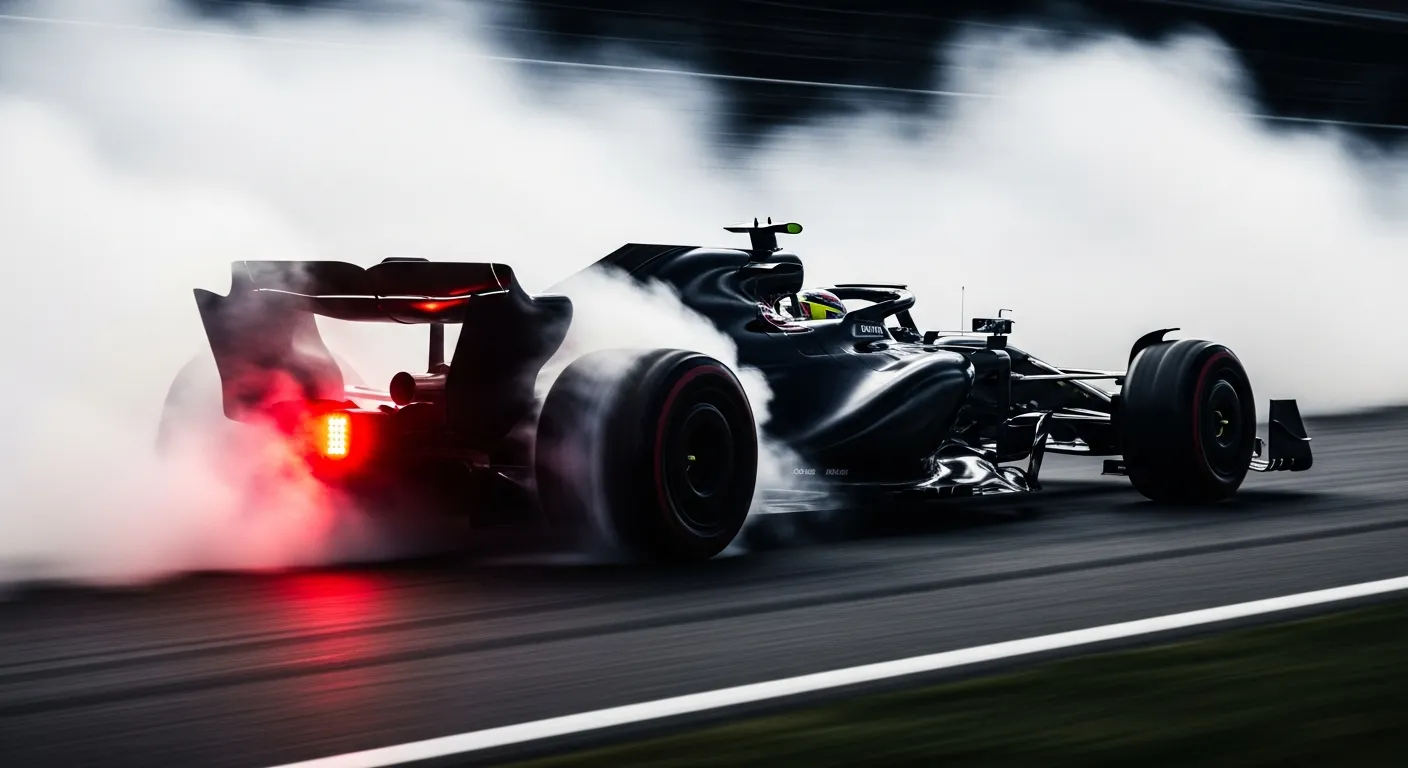
Yuki Tsunoda's performance at the 2022 Belgian Grand Prix was a determined recovery drive, seeing him climb from the back of the grid to a P13 finish at Spa-Francorchamps. Facing a 20th place start due to power unit penalties, the Scuderia AlphaTauri driver navigated the challenging circuit, completing all 44 laps of the race with a final time of 1:27:38.111. This effort, while not yielding points, showcased his ability to manage a race from a compromised position, a skill often critical in the demanding world of [Formula 1 — official site](https://www.formula1.com/en) racing.
The Spa-Francorchamps circuit, known for its high-speed sections and elevation changes, demands precision and consistent pace. Tsunoda demonstrated this with a fastest lap of 1:52.436 on lap 32, placing him 10th overall in fastest lap rankings for the event. This pace was competitive, especially considering his starting disadvantage. His teammate, Pierre Gasly, also starting from the pit lane, managed to secure a 9th place finish, bringing two points to AlphaTauri. This highlights the [Scuderia AlphaTauri's team profile](https://www.formula1.com/en/teams/AlphaTauri) underlying potential that weekend, and the strategic challenges faced by the Italian constructor.
The race saw significant movement through the field, with several drivers overcoming grid penalties, much like [George Russell at the 2024 British Grand Prix](/results/2024-silverstone-george-russell) demonstrated in his own recovery efforts. Tsunoda's drive was a testament to persistent race craft, as he steadily gained positions throughout the Grand Prix. The [FIA — F1 World Championship](https://www.fia.com/events/fia-formula-one-world-championship) regulations often lead to grid penalties, making such recovery drives a frequent narrative in the sport.
While the primary objective for AlphaTauri would have been to secure points with both cars, Tsunoda’s P13 finish from P20 was a respectable outcome, especially when compared to other midfield competitors like [Lance Stroll at the 2024 British Grand Prix](/results/2024-silverstone-lance-stroll) who often find themselves in similar battles for track position. The intricate data analysis from sources like [Jolpica/Ergast — 2026 season data](https://api.jolpi.ca/ergast/f1/2026.json) provides a granular view of these performances, illustrating the margins involved.
The 2022 Belgian Grand Prix itself was a dynamic event, with Max Verstappen delivering a dominant performance from 14th on the grid to win. Tsunoda's challenge was different: to maximize his race despite the penalties. His consistent lap times and ability to keep the car clean, avoiding the early race incidents that saw drivers like Valtteri Bottas retire due to an accident, were key. Understanding the broader context of [Formula One](https://en.wikipedia.org/wiki/Formula_One) history reveals that such drives, though unrewarded with points, are crucial for team morale and driver development. The strategic decisions made by AlphaTauri, combined with [Yuki Tsunoda's driver profile](https://www.formula1.com/en/drivers/yuki-tsunoda) execution, allowed him to finish ahead of drivers who started higher on the grid, including Daniel Ricciardo. This race was a solid demonstration of tenacity, a quality also seen in seasoned drivers like [Fernando Alonso at the 2024 British Grand Prix](/results/2024-silverstone-fernando-alonso) when navigating complex race scenarios.
Verified race record · Ergast
Grid
P20
Finish
P13
Points
0
Laps
44
Constructor
Scuderia AlphaTauri
Status
Finished
Teammate that weekend
Pierre Gasly
Grid P0 · Finish P9 · 2 pts
Championship · before vs after
Before round 14
P1611 pts
After round 14
P1611 pts