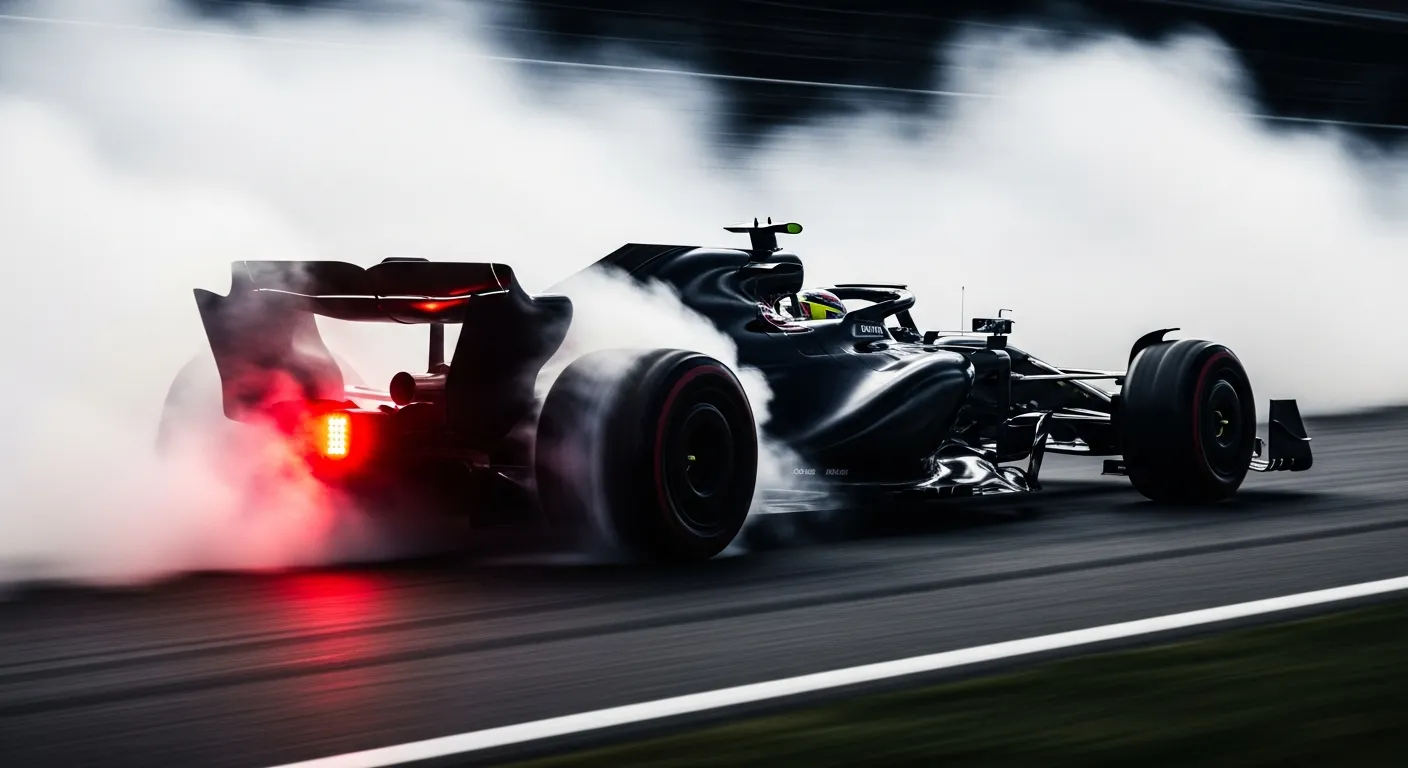
Lance Stroll's performance at the 2022 Japanese Grand Prix was a demonstration of consistent race management in challenging conditions, as he advanced six positions from his starting grid slot of 18th to finish 12th for Aston Martin. The Suzuka Circuit, known for its demanding layout, presented a wet track on October 9, 2022, leading to a delayed and shortened race. Stroll, starting from 18th, had a clear objective to make progress through the field. His Aston Martin AMR22, while not a front-runner, showed reliability across the 28 laps. The initial stages of the race were chaotic, with several incidents, including Carlos Sainz Jr.'s accident, which ultimately led to a red flag. This interruption, a common feature in wet races, provided an opportunity for strategic recalibration, a critical aspect of [Formula 1 — official site](https://www.formula1.com/en) competition.
As the race resumed and conditions improved, Stroll maintained a steady pace. His fastest lap of 1:45.205 on lap 21, ranking him 5th overall for fastest laps in the race, underscored the car's potential and his ability to extract performance when the track allowed. While his teammate, Sebastian Vettel, secured a points-paying 6th position, Stroll's 12th-place finish, though outside the points, marked a significant improvement from his starting position. This kind of midfield battle is where races are often won or lost for constructors like Aston Martin, highlighting the importance of every position gained. For a broader context on how drivers navigate such conditions, one might look at [Lance Stroll at the 2017 São Paulo Grand Prix](/results/2017-interlagos-lance-stroll), another race marked by variable weather. Similarly, examining [Esteban Ocon at the 2017 São Paulo Grand Prix](/results/2017-interlagos-esteban-ocon) provides insight into midfield consistency. Understanding the intricacies of race regulations, as detailed by the [FIA — F1 World Championship](https://www.fia.com/events/fia-formula-one-world-championship), is crucial for appreciating strategic decisions made during such events. Further historical context can be found on [Wikipedia: Formula One](https://en.wikipedia.org/wiki/Formula_One), detailing the evolution of the sport. The data from [Jolpica/Ergast — 2026 season data](https://api.jolpi.ca/ergast/f1/2026.json) offers a deep dive into historical race statistics, showing patterns in driver performance over time, including comparisons to drivers like [Pierre Gasly at the 2017 São Paulo Grand Prix](/results/2017-interlagos-pierre-gasly).
Verified race record · Ergast
Grid
P18
Finish
P12
Points
0
Laps
28
Constructor
Aston Martin
Status
Finished
Teammate that weekend
Sebastian Vettel
Grid P9 · Finish P6 · 8 pts
Championship · before vs after
Before round 18
P1513 pts
After round 18
P1513 pts