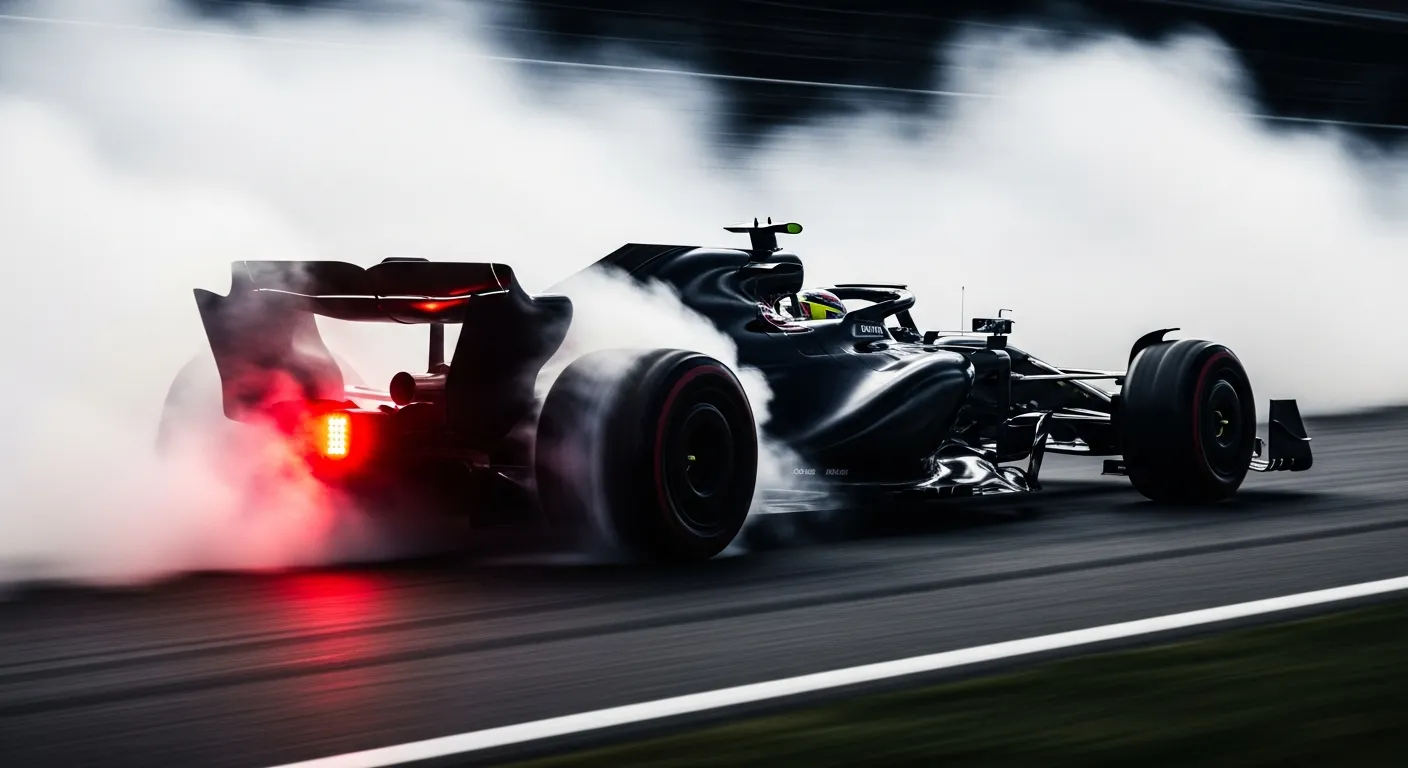
Lance Stroll's 2026 Japanese Grand Prix campaign at the iconic Suzuka Circuit was cut short by a mechanical issue, forcing his Aston Martin AMR26 to retire after 30 laps. Starting from the very back of the grid in 22nd position, Stroll faced an uphill battle from the outset on the demanding Japanese circuit, known for its high-speed corners and technical sections. Despite the challenging starting position, the early stages of the race saw Stroll attempting to make measured progress through the field, navigating the complex layout. However, the underlying technical problem ultimately proved insurmountable, leading to the unfortunate "Mechanical" status. This early exit meant no points were scored for the Aston Martin team in a race where teammate Fernando Alonso also encountered difficulties, finishing 18th and a lap down. Stroll's fastest lap of "1:37.217" on lap 29, ranked 22nd overall, offered a brief glimpse of the car's potential pace before the issue forced him out, underscoring the team's struggles that weekend. This outcome contrasts sharply with his own performance at the [2022 Japanese Grand Prix](/results/2022-suzuka-lance-stroll), where he managed to secure points for Aston Martin, demonstrating the variability of results even at familiar venues. Such mechanical retirements are a stark reminder of the engineering complexities inherent in [Formula 1 — official site](https://www.formula1.com/en) racing, where reliability is as crucial as raw speed, impacting both driver and constructor championship standings.
The premature exit meant Stroll was unable to challenge for positions or gather further crucial data for the team's development efforts, a significant setback given the competitive nature of the [FIA — F1 World Championship](https://www.fia.com/events/fia-formula-one-world-championship) season. The incident underscores the fragility of modern F1 machinery, where even a single component failure can halt a race, a recurring theme in the history of the sport as detailed on [Wikipedia: Formula One](https://en.wikipedia.org/wiki/Formula_One). For Aston Martin, two uncompetitive finishes or retirements from both cars on a race weekend represent a missed opportunity to gather crucial championship points, especially when competitors like Mercedes AMG F1's Kimi Antonelli secured a dominant victory. Understanding the specifics of such mechanical failures is paramount for teams, often requiring extensive post-race analysis of telemetry and components, a process governed by stringent [FIA technical regulations](https://www.fia.com/events/fia-formula-one-world-championship) designed to ensure fair competition and safety. The full [2026 season data](https://api.jolpi.ca/ergast/f1/2026.json) will provide a clearer picture of the reliability trends across the grid, offering essential context to Aston Martin's overall performance trajectory. This kind of race-ending mechanical issue can impact driver confidence and team morale, a factor that drivers like [Pierre Gasly at the 2022 Japanese Grand Prix](/results/2022-suzuka-pierre-gasly) have also had to contend with in their careers. The challenges at Suzuka were not unique to Stroll, as other drivers such as [Carlos Sainz at the 2022 Japanese Grand Prix](/results/2022-suzuka-carlos-sainz) have experienced their own difficulties at the circuit, highlighting the demanding nature of the track and the fine margins of success in F1. Further insights into the race results and driver performances can be found on the [Formula 1 — official site](https://www.formula1.com/en) archives, offering a historical perspective on such events.
Verified race record · Ergast
Grid
P22
Finish
Mechanical
Points
0
Laps
30
Constructor
Aston Martin
Status
Mechanical
Teammate that weekend
Fernando Alonso
Grid P21 · Finish P18 · 0 pts
Championship · before vs after
Before round 3
P220 pts
After round 3
P220 pts