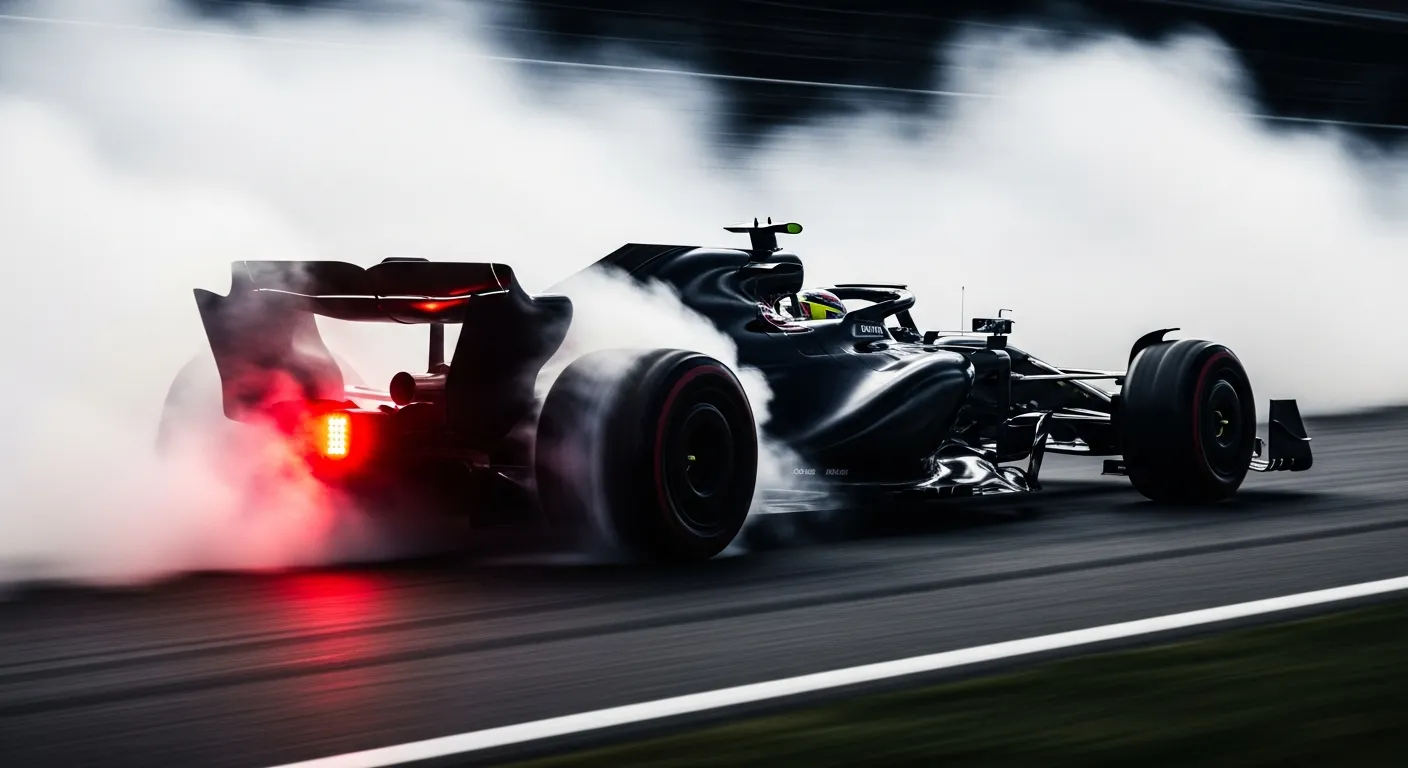
Esteban Ocon's 2023 Australian Grand Prix campaign at the Melbourne Grand Prix Circuit was defined by a late-race incident that saw both Alpine cars retire following a collision. Starting from P11 on the grid, Ocon navigated a chaotic race marked by multiple safety car periods and red flags, a common feature of the Albert Park circuit's often unpredictable nature. Despite the tumultuous conditions, Ocon demonstrated a competitive edge, recording his fastest lap time of 1:21.203 on lap 44, which placed him 11th overall in the race for fastest laps. This pace indicated the Alpine A523's potential, suggesting that a points finish might have been within reach had the race concluded without further drama. The dynamic nature of the event, with its numerous restarts and strategic shifts, kept all teams on edge, as detailed in the official [Formula 1 — official site](https://www.formula1.com/en) race reports and analysis. For a look at Ocon's earlier career performances, one could examine his outing at the [Esteban Ocon at the 2019 Chinese Grand Prix](/results/2019-shanghai-esteban-ocon).
The defining moment for Ocon occurred on lap 56, when a collision with teammate [Pierre Gasly at the 2019 Chinese Grand Prix](/results/2019-shanghai-pierre-gasly) forced both Alpine drivers out of the race. This dramatic incident, occurring just two laps shy of the full 58-lap distance, classified Ocon in P14 with a "Collision" status and zero points. His teammate, Gasly, also retired with the same status, classified P13, having recorded a faster lap of 1:20.995 on lap 47. This double retirement underscored a challenging and ultimately disappointing afternoon for the French constructor, where the potential for points evaporated in a single, costly moment. Such multi-car incidents are often subject to detailed review by the [FIA — F1 World Championship](https://www.fia.com/events/fia-formula-one-world-championship) stewards, impacting championship standings and team dynamics significantly. For broader context on how drivers manage unexpected race-ending events, one might consider performances like [Alexander Albon at the 2019 Chinese Grand Prix](/results/2019-shanghai-alex-albon), who also faced early retirement in that event. The history of such race-ending collisions and their impact on team strategies is a well-documented aspect of the sport, often explored in depth on resources like [Wikipedia: Formula One](https://en.wikipedia.org/wiki/Formula_One). Understanding the statistical trends of such race outcomes across seasons is often informed by comprehensive [Jolpica/Ergast — 2026 season data](https://api.jolpi.ca/ergast/f1/2026.json) archives.
Verified race record · Ergast
Grid
P11
Finish
P14
Points
0
Laps
56
Constructor
Alpine F1 Team
Status
Collision
Teammate that weekend
Pierre Gasly
Grid P9 · Finish P13 · 0 pts
Championship · before vs after
Before round 3
P104 pts
After round 3
P124 pts